Language

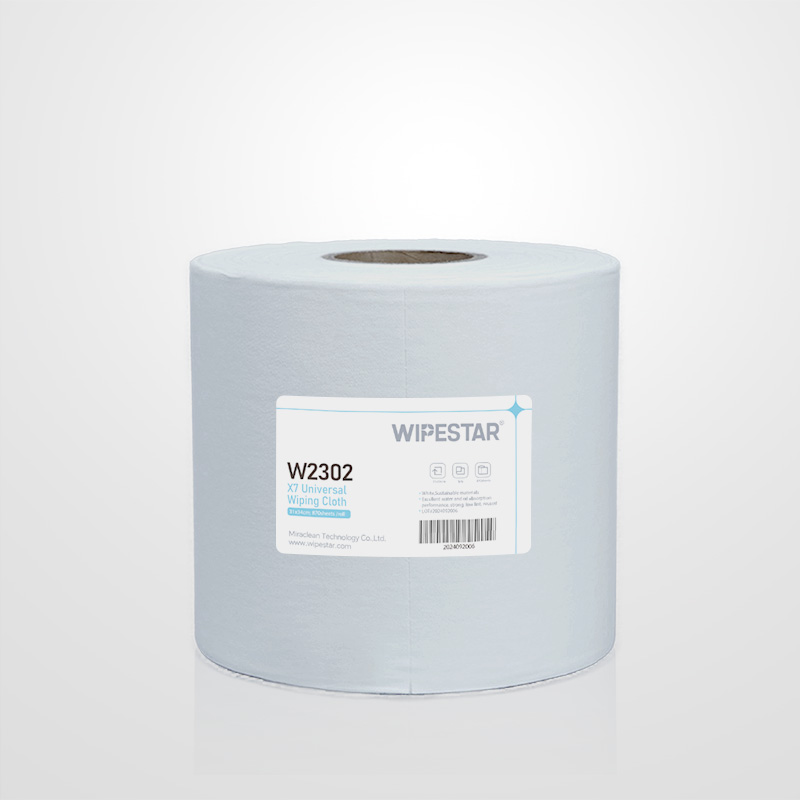
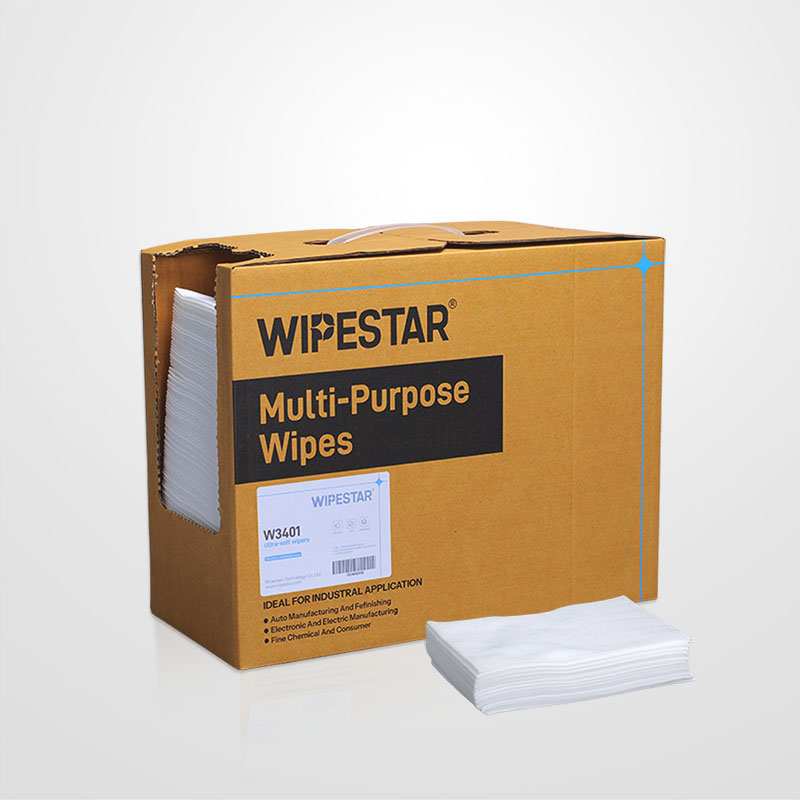
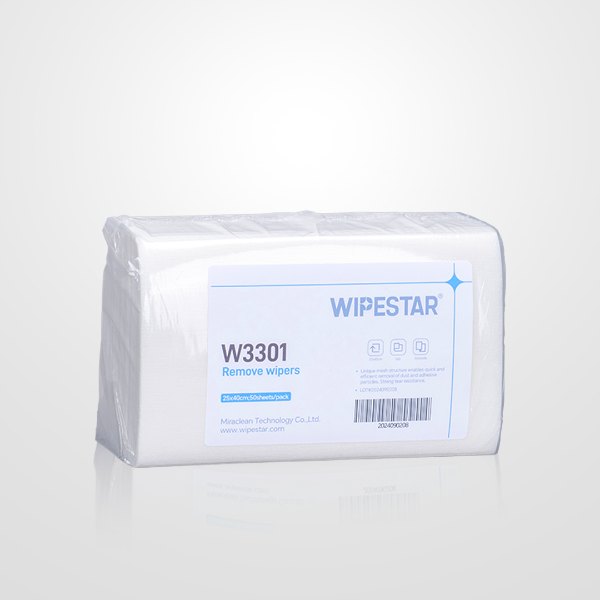
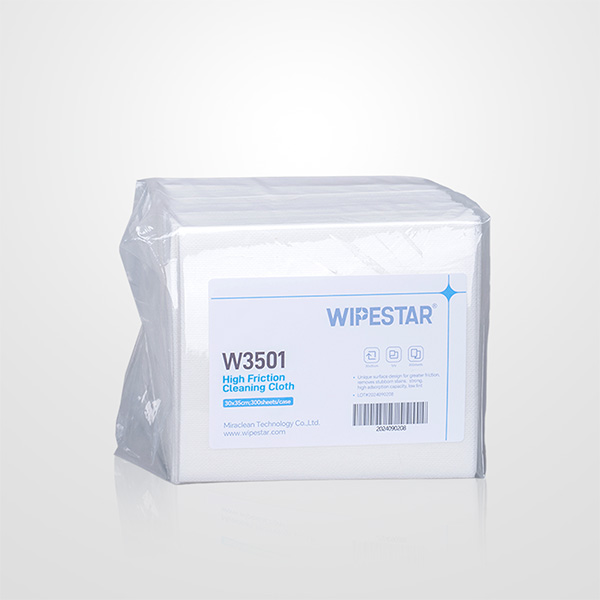
<p style="text-align: center;"><img alt="The Benefits of TCO in Industrial Cleaning Wipes(pic1)" src="https:https://img.wipestar.com/uploads/allimg/20250213/1-250213152KN33.webp" title="A male worker cleaning-up a slip hazard on the floor of an industrial plant." width="600" height="400"/></p><p><span style="font-size: 16px;">When it comes to maintaining efficiency and controlling costs in industrial operations, every detail matters—including the choice of wiping materials. While industrial wipes may seem like a minor expense, their impact on Total Cost of Ownership (TCO) is significant. By optimizing your selection of wipes, you can unlock long-term savings, improve productivity, and reduce hidden operational costs.</span></p><p><br/></p><h2><span style="font-size: 18px;">I. What is TCO, and Why Does It Matter for Industrial Wipes?</span></h2><p><span style="font-size: 16px;">Total Cost of Ownership (TCO) evaluates the full lifecycle cost of a product, including acquisition, usage, maintenance, and disposal. For industrial wipes, this means looking beyond the price per box and considering factors like:</span></p><ul style="list-style-type: disc;"><li><p><span style="font-size: 16px;">Material durability (how many surfaces one wipe can clean before disposal).</span></p></li><li><p><span style="font-size: 16px;">Absorption capacity (reducing the number of wipes needed per task).</span></p></li><li><p><span style="font-size: 16px;">Labor efficiency (time saved by workers using high-performance wipes).</span></p></li><li><p><span style="font-size: 16px;">Waste management costs (disposal fees or environmental compliance).</span></p></li><li><p><span style="font-size: 16px;">Equipment protection (preventing damage from lint, abrasion, or chemical residue).</span></p></li></ul><p><span style="font-size: 16px;">Choosing low-quality wipes might save upfront costs, but frequent replacements, increased labor time, and potential equipment damage will inflate TCO over time.</span></p><p><br/></p><h2><span style="font-size: 18px;">II. Advantages of a TCO Analysis for Industrial Wipes</span></h2><p><span style="font-size: 16px;">A Total Cost of Ownership (TCO) analysis for industrial wipes reveals significant financial and operational benefits compared to traditional rags. </span></p><p><span style="font-size: 16px;">Traditional rags, composed of irregular scraps, cotton yarn, discarded towels, and other mixed materials, incur hidden costs that are often overlooked. For instance, processing 1 ton of traditional rags requires labor-intensive sorting and cutting due to inconsistent sizes, colors, and textures (25–30 pieces per kilogram). In contrast, industrial wipes like those from Wipestar are standardized, with each roll containing up to 150 pre-cut sheets of uniform size. This eliminates time wasted on manual preparation, directly reducing labor costs and improving workflow efficiency.</span></p><p><span style="font-size: 16px;"><br/></span></p><p><span style="font-size: 16px;">Moreover, traditional rags frequently suffer from frayed edges, lint shedding, and contamination from impurities, leading to inconsistent cleaning quality and increased material waste. Employees often need to use more rags to compensate for poor absorption of oil and water, further driving up consumption. Industrial wipes, however, are engineered with specialized materials to resist fraying and lint, while offering superior absorption that reduces the number of wipes needed per task. A single roll replaces 5–6 kg of traditional rags, cutting material usage and storage space. By quantifying these factors, a TCO analysis highlights how standardized wipes lower long-term costs through reduced waste, fewer replacements, and optimized inventory management.</span></p><p><span style="font-size: 16px;"><br/></span></p><p><span style="font-size: 16px;">Health and compliance risks also play a critical role in TCO. The use of rags of unknown origin may expose users to harmful elements such as high levels of antimony, beryllium, cadmium, cobalt, copper, lead, and molybdenum, thereby threatening the safety and health of users. Wipestar's industrial wipes, certified by ROHS, SGS and rigorously quality-controlled, ensure compliance with national health standards while minimizing dust and contaminants. This reduces employee exposure to harmful substances and associated healthcare or legal costs. Additionally, the compact design of industrial wipe rolls saves warehouse space compared to bulky, irregularly stored rags.</span></p><p><span style="font-size: 16px;"><br/></span></p><p><span style="font-size: 16px;">Finally, a TCO analysis underscores predictability in budgeting. Traditional rags' variable quality leads to uncontrolled usage and frequent reordering, whereas industrial wipes'consistency allows precise tracking and forecasting. By accounting for all direct and indirect costs—labor, storage, waste, health risks, and compliance—the analysis demonstrates that switching to industrial wipes not only improves operational efficiency but also delivers measurable long-term savings and safer working conditions.</span></p><p><span style="font-size: 16px;"><br/></span></p><h2><span style="font-size: 18px;">III. How to Calculate TCO for Industrial Wipes</span></h2><p><span style="font-size: 16px;">Calculating the Total Cost of Ownership (TCO) for industrial wipes involves evaluating both direct and indirect costs over the product's lifecycle, compared to traditional alternatives like low-cost rags. TCO goes beyond the initial purchase price to include labor, efficiency, waste, storage, health risks, and compliance. Here's a step-by-step approach:</span></p><ol><li><p><span style="font-size: 16px;">Initial Material Costs: Start by comparing the unit price of traditional rags (e.g., $X per ton) versus industrial wipes (e.g., $Y per roll). </span></p></li><li><p><span style="font-size: 16px;">Labor Costs: Calculate time spent sorting, cutting, and managing traditional rags. </span></p></li><li><p><span style="font-size: 16px;">Efficiency and Consumption: Assess usage rates. Traditional rags often require multiple pieces per task due to poor absorption and fraying, while industrial wipes' high-performance design reduces the number needed.</span></p></li><li><p><span style="font-size: 16px;">Storage and Logistics: Estimate warehouse space costs. Traditional rags, bulky and irregularly sized, consume more space. Industrial wipes' compact rolls reduce storage needs by up to 50–70%, lowering warehousing expenses.</span></p></li><li><p><span style="font-size: 16px;">Health and Compliance Risks: Quantify potential costs from workplace injuries, bacterial contamination, or regulatory fines. Industrial wipes with certifications (e.g., ROHS) mitigate these risks, reducing healthcare or legal liabilities.</span></p></li><li><p><span style="font-size: 16px;">Waste and Disposal: Include disposal costs for contaminated rags versus recyclable or lower-waste industrial wipes. Traditional rags generate more frequent waste due to higher consumption and impurities.</span></p></li><li><p><span style="font-size: 16px;">Downtime and Productivity Loss: Factor in delays caused by inefficient cleaning (e.g., repeated wiping) or equipment damage from lint/fraying. Industrial wipes' consistency minimizes downtime.</span></p></li></ol><p><span style="font-size: 16px;">By aggregating these costs, organizations can identify hidden savings and justify switching to industrial wipes despite their higher upfront price.</span></p><p style="text-align: center;"><em><span style="font-size: 14px;">Sheet 1. TCO Comparison</span></em></p><table border="0" cellpadding="0" cellspacing="0" width="728" align="center"><colgroup><col width="296" style="width:222.00pt;"/><col width="310" style="width:232.50pt;"/><col width="365" style="width:273.75pt;"/></colgroup><tbody><tr style="height:13.50pt;" class="ue-table-interlace-color-single firstRow"><td class="et3" width="222" style="border-width: 1px; border-style: solid; border-color: gainsboro;" align="center" valign="middle"><strong><span style="font-size: 14px;">Factors</span></strong></td><td class="et3" width="232" style="border-width: 1px; border-style: solid; border-color: gainsboro;" align="center" valign="middle"><strong><span style="font-size: 14px;">Traditional Rags</span></strong></td><td class="et3" width="273" style="border-width: 1px; border-style: solid; border-color: gainsboro;" align="center" valign="middle"><strong><span style="font-size: 14px;">Industrial Wipes</span></strong></td></tr><tr style="height:27.00pt;" class="ue-table-interlace-color-double"><td class="et4" width="222" style="border-width: 1px; border-style: solid; border-color: gainsboro;" align="center" valign="middle"><span style="font-size: 14px;">Initial Cost</span></td><td class="et4" width="232" style="border-width: 1px; border-style: solid; border-color: gainsboro;" align="center" valign="middle"><span style="font-size: 14px;">$500–$800 per ton</span></td><td class="et4" width="273" style="border-width: 1px; border-style: solid; border-color: gainsboro;" align="center" valign="middle"><span style="font-size: 14px;">$20–$30 per roll (replaces 5–6 kg of rags)</span></td></tr><tr style="height:27.00pt;" class="ue-table-interlace-color-single"><td class="et4" width="222" style="border-width: 1px; border-style: solid; border-color: gainsboro;" align="center" valign="middle"><span style="font-size: 14px;">Labor Cost</span></td><td class="et4" width="232" style="border-width: 1px; border-style: solid; border-color: gainsboro;" align="center" valign="middle"><span style="font-size: 14px;">10–15 hours/ton for sorting/cutting</span></td><td class="et4" width="273" style="border-width: 1px; border-style: solid; border-color: gainsboro;" align="center" valign="middle"><span style="font-size: 14px;">0 hours (pre-cut, standardized)</span></td></tr><tr style="height:27.00pt;" class="ue-table-interlace-color-double"><td class="et4" width="222" style="border-width: 1px; border-style: solid; border-color: gainsboro;" align="center" valign="middle"><span style="font-size: 14px;">Consumption Efficiency</span></td><td class="et4" width="232" style="border-width: 1px; border-style: solid; border-color: gainsboro;" align="center" valign="middle"><span style="font-size: 14px;">25–30 pieces/kg; high waste due to poor absorption</span></td><td class="et4" width="273" style="border-width: 1px; border-style: solid; border-color: gainsboro;" align="center" valign="middle"><span style="font-size: 14px;">150 sheets/roll; 1–2 sheets per task</span></td></tr><tr style="height:27.00pt;" class="ue-table-interlace-color-single"><td class="et4" width="222" style="border-width: 1px; border-style: solid; border-color: gainsboro;" align="center" valign="middle"><span style="font-size: 14px;">Storage Space</span></td><td class="et4" width="232" style="border-width: 1px; border-style: solid; border-color: gainsboro;" align="center" valign="middle"><span style="font-size: 14px;">High (bulky, irregular shapes)</span></td><td class="et4" width="273" style="border-width: 1px; border-style: solid; border-color: gainsboro;" align="center" valign="middle"><span style="font-size: 14px;">Low (compact rolls, 50–70% space savings)</span></td></tr><tr style="height:27.00pt;" class="ue-table-interlace-color-double"><td class="et4" width="222" style="border-width: 1px; border-style: solid; border-color: gainsboro;" align="center" valign="middle"><span style="font-size: 14px;">Health/Safety Risks</span></td><td class="et4" width="232" style="border-width: 1px; border-style: solid; border-color: gainsboro;" align="center" valign="middle"><span style="font-size: 14px;">High (bacteria, lint, impurities)</span></td><td class="et4" width="273" style="border-width: 1px; border-style: solid; border-color: gainsboro;" align="center" valign="middle"><span style="font-size: 14px;">Low (ROHS-certified, low-lint, hygienic)</span></td></tr><tr style="height:27.00pt;" class="ue-table-interlace-color-single"><td class="et4" width="222" style="border-width: 1px; border-style: solid; border-color: gainsboro;" align="center" valign="middle"><span style="font-size: 14px;">Compliance Costs</span></td><td class="et4" width="232" style="border-width: 1px; border-style: solid; border-color: gainsboro;" align="center" valign="middle"><span style="font-size: 14px;">Potential fines for non-compliance</span></td><td class="et4" width="273" style="border-width: 1px; border-style: solid; border-color: gainsboro;" align="center" valign="middle"><span style="font-size: 14px;">Pre-certified, meets health/safety standards</span></td></tr><tr style="height:27.00pt;" class="ue-table-interlace-color-double"><td class="et4" width="222" style="border-width: 1px; border-style: solid; border-color: gainsboro;" align="center" valign="middle"><span style="font-size: 14px;">Disposal Costs</span></td><td class="et4" width="232" style="border-width: 1px; border-style: solid; border-color: gainsboro;" align="center" valign="middle"><span style="font-size: 14px;">High (frequent disposal of contaminated rags)</span></td><td class="et4" width="273" style="border-width: 1px; border-style: solid; border-color: gainsboro;" align="center" valign="middle"><span style="font-size: 14px;">Lower (reduced waste volume, recyclable options)</span></td></tr><tr style="height:27.00pt;" class="ue-table-interlace-color-single"><td class="et4" width="222" style="border-width: 1px; border-style: solid; border-color: gainsboro;" align="center" valign="middle"><span style="font-size: 14px;">Productivity Impact</span></td><td class="et4" width="232" style="border-width: 1px; border-style: solid; border-color: gainsboro;" align="center" valign="middle"><span style="font-size: 14px;">Frequent downtime due to rework/cleaning</span></td><td class="et4" width="273" style="border-width: 1px; border-style: solid; border-color: gainsboro;" align="center" valign="middle"><span style="font-size: 14px;">Minimal downtime (efficient, consistent performance)</span></td></tr><tr style="height:27.00pt;" class="ue-table-interlace-color-double"><td class="et4" width="222" style="border-width: 1px; border-style: solid; border-color: gainsboro;" align="center" valign="middle"><span style="font-size: 14px;">Total Annual Cost (Example)</span></td><td class="et4" width="232" style="border-width: 1px; border-style: solid; border-color: gainsboro;" align="center" valign="middle"><span style="font-size: 14px;">$12,000 (materials + labor + storage + disposal)</span></td><td class="et4" width="273" style="border-width: 1px; border-style: solid; border-color: gainsboro;" align="center" valign="middle"><span style="font-size: 14px;">$8,500 (materials + storage + disposal)</span></td></tr></tbody></table><p><span style="font-size: 16px; color: rgb(0, 112, 192);"></span></p><h2><span style="font-size: 18px;"><br/></span></h2><h2><span style="font-size: 18px;">IV. How Superior Wipes Reduce TCO</span></h2><p><span style="font-size: 16px;">Wipestar® offer engineered solutions that optimize TCO:</span></p><ul style="list-style-type: disc;"><li><p><a href="https://www.wipestar.com/?m=home&c=Lists&a=index&tid=6&catogories=Oil+Absorbent+Cloths&ZXljbXM=1#cpzx" target="_self"><span style="font-size: 16px;">Wipestar Oil Absorbent Wipes</span></a><span style="font-size: 16px;"> and </span><a href="https://www.wipestar.com/?m=home&c=Lists&a=index&tid=6&catogories=Multi-purpose+Wipes&ZXljbXM=1#cpzx" target="_self" style="text-decoration: underline; font-size: 16px;"><span style="font-size: 16px;">Multi-purpose Wipes</span></a><span style="font-size: 16px;">: Highly liquid absorbent, chemical-resistant and low lint — ideal for heavy dusty Industrial environments, reducing contamination-related downtime.</span></p></li><li><p><a href="https://www.wipestar.com/?m=home&c=Lists&a=index&tid=1&catogories=Universal+Wiping+Cloth&ZXljbXM=1#cpzx" target="_self"><span style="font-size: 16px;">Wipestar Universal Industrial Wiping Cloths</span></a><span style="font-size: 16px;">: H<span style="text-wrap-mode: wrap;">ighly durable</span>, low lint, solvent-compatible wipes, slashing long-term costs.</span></p></li><li><p><a href="https://www.wipestar.com/products-prewetted-wipes/" target="_self"><span style="font-size: 16px;">Pre-Saturated Wipes</span></a><span style="font-size: 16px;">: Pre-loaded with degreasers or disinfectants, eliminating solution preparation time and spill risks.</span></p></li></ul><p><span style="font-size: 16px;">These products exemplify how strategic wipe selection impacts labor, waste, and operational continuity.</span></p><p><br/></p><h2><span style="font-size: 18px;">V. Additional Strategies to Minimize TCO</span></h2><ol style="list-style-type: decimal;"><li><p><span style="font-size: 16px;">Automated Dispensing Systems: Reduce overuse with controlled wipe dispensing, minimizing waste.</span></p></li><li><p><span style="font-size: 16px;">Bulk Purchasing + Centralized Storage: Cut procurement costs and ensure consistent supply.</span></p></li><li><p><span style="font-size: 16px;">Employee Training: Teach proper wipe usage (e.g., folding techniques) to maximize absorption and lifespan.</span></p></li><li><p><span style="font-size: 16px;">Sustainability Programs: Partner with suppliers offering take-back programs for used wipes or recycling initiatives.</span></p></li></ol><p><br/></p><h2><span style="font-size: 18px;">VI. The Bottom Line</span></h2><p><span style="font-size: 16px;">In industrial settings, the humble wipe is a silent contributor to your bottom line. By prioritizing TCO over sticker price, companies can achieve:</span></p><ul style="list-style-type: disc;"><li><p><span style="font-size: 16px;">50–80% reduction in wipe-related spending.</span></p></li><li><p><span style="font-size: 16px;">20–30% faster cleaning processes.</span></p></li><li><p><span style="font-size: 16px;">Lower environmental impact and compliance risks.</span></p></li></ul><p><span style="font-size: 16px;"></span></p><p><span style="font-size: 16px;">Don't let upfront pricing blind you to hidden costs. Partner with suppliers who understand TCO and can tailor wipe solutions to your operational needs.</span></p><p><span style="font-size: 16px;">Explore our range of high-performance industrial wipes designed to minimize TCO </span><a href="https://www.wipestar.com/products-wiping-cloth/" target="_self"><span style="font-size: 16px; text-decoration: underline;">here</span></a><span style="font-size: 16px;">.</span></p><p><span style="font-size: 16px;">By making TCO-driven decisions, you're not just buying wipes — you're investing in efficiency, sustainability, and long-term profitability. Let's calculate your savings today!</span></p><p><br/></p>
Tags:No tag
RELATED RESOURCES

Sub-fine Cleanroom Wipes: How ...
Asia Dirtless Cloth: Cleaning Innovation Solutions...
More

Pharmaceutical Equipment Clean...
Pharmaceutical Equipment Cleaning Validation: TOC ...
More

Industrial wipes: technologica...
In the fields of industrial equipment maintenance ...
More

4-inch dust-free cloth micron-...
In the fields of precision manufacturing and micro...
More
The Cleaning Revolution of Pow...
How Industrial Wipes Revolve ManufacturingIn the e...
More
Precision manufacturing worksh...
Analysis on upgrading equipment cleaning standards...
More
Related Products
Room 101, Building 1, Angeer Factory, No.4, Hetian Road, Shatian Community, Kengzi Street, Pingshan District, Shenzhen, Guangdong, P.R. China 518122
info@wipestar.com
+86-755-89616775
+86-755-89616773
Related Products
RELATED RESOURCES