

If you work in manufacturing, maintenance, or any industry that requires regular cleaning and wiping operations, you’ve probably grabbed whatever wiping paper was available without thinking twice. But here’s what most people don’t realize: the quality of your wiping paper directly impacts your operational efficiency, waste costs, and even the cleanliness of your final product.
Why Wiping Paper Isn’t Just Wiping Paper
Walk into any industrial facility, and you’ll see wiping paper everywhere—on workbenches, in maintenance carts, in production areas. Yet most facility managers treat it as a commodity purchase, focusing only on price. This approach often backfires.
The truth is, not all wiping paper performs the same. The difference between a cheap, single-ply wipe and a quality 3-ply embossed wiping paper can mean the difference between a job done right and a job that needs redoing. When you’re dealing with oils, solvents, or precision cleaning tasks, material quality becomes critical.
I’ve seen production lines where switching to better wiping paper actually reduced overall cleaning time by 20-30%, simply because the paper didn’t fall apart when wet and absorbed liquids more effectively. That’s not just convenience—that’s real cost savings.
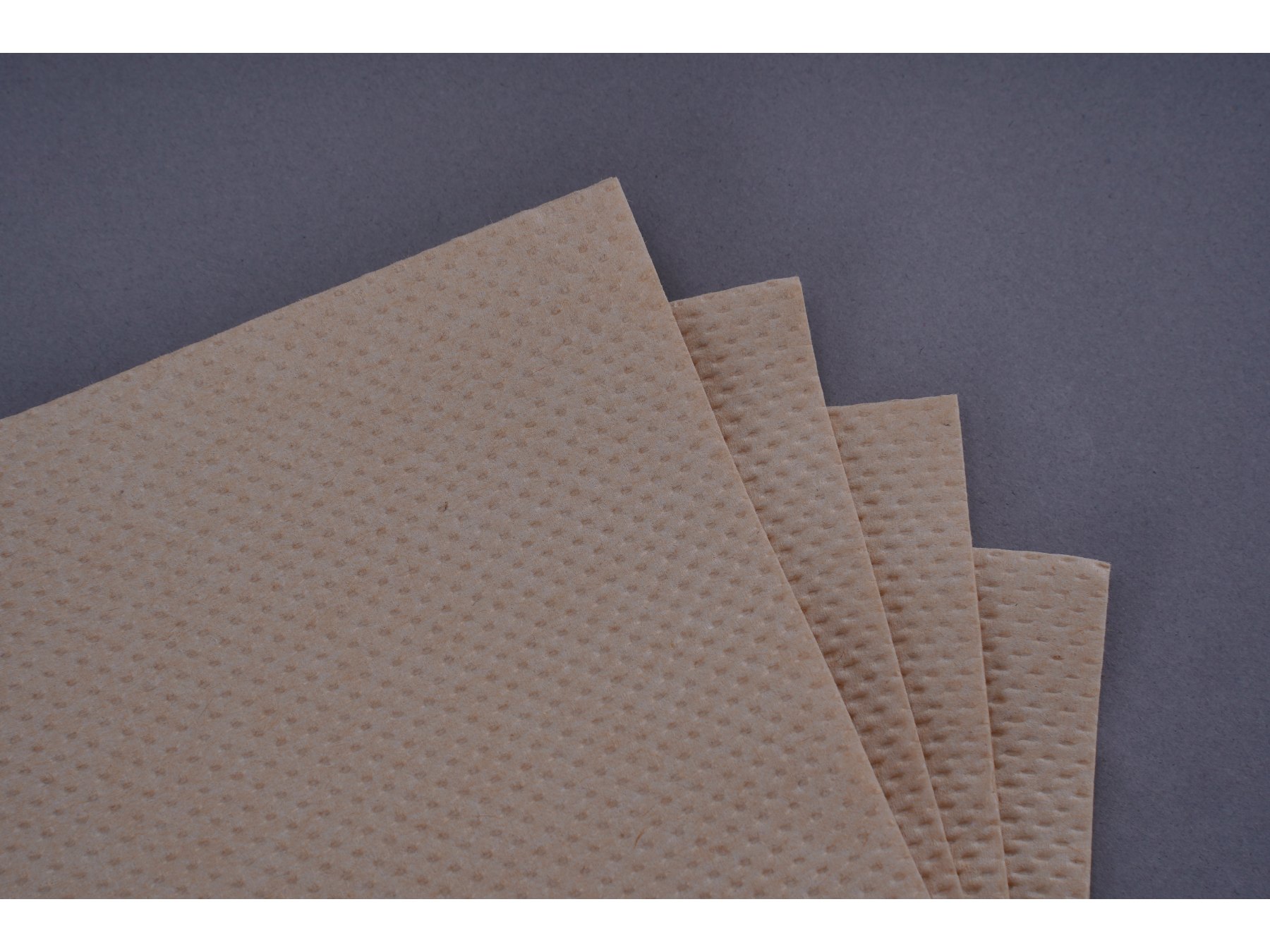
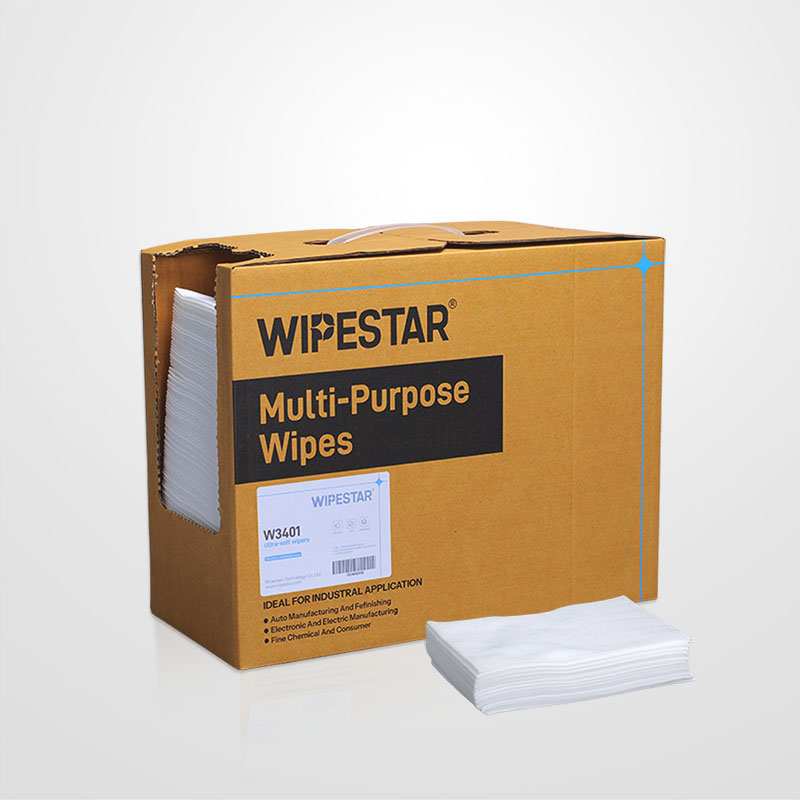
Quality wiping paper is essential for maintaining cleanliness standards in manufacturing environments
Understanding Wiping Paper Specifications
Material Composition: Why 100% Wood Pulp Matters
Most industrial-grade wiping paper is made from 100% wood pulp, and there’s a good reason for this. Wood pulp offers the ideal balance of absorbency, strength, and cost-effectiveness. Unlike synthetic materials or recycled paper blends, pure wood pulp provides consistent performance across different applications.
The key advantage? Wood pulp maintains its structural integrity even when saturated. This means your wipes won’t disintegrate mid-task, leaving fibers behind on the surface you’re trying to clean. For precision work—whether you’re cleaning optical equipment, removing oils from machinery, or maintaining sterile environments—this matters enormously.
Ply Structure: Single, Double, or Triple?
The “ply” refers to the number of layers in your wiping paper. Here’s where it gets practical:
- 1-ply paper: Lightweight and economical, suitable for dry wiping and light cleaning tasks. Best for high-volume operations where cost is the primary concern.
- 2-ply paper: The middle ground. Offers better durability than single-ply while remaining cost-effective. Good for general maintenance and moderate cleaning tasks.
- 3-ply paper: The premium option. Provides maximum strength, absorbency, and durability. Ideal for heavy-duty cleaning, solvent use, and applications where paper integrity is critical.
If you’re working with oils, solvents, or any liquid that requires aggressive wiping, 3-ply wiping paper is worth the investment. The extra layers provide redundancy—if one layer gets saturated, you still have two more providing structure and absorbency.
The Embossed Design Advantage
You might notice that quality wiping paper has a textured, embossed surface rather than being completely smooth. This isn’t just for aesthetics. The embossed pattern serves a specific function: it increases friction between the paper and the surface being cleaned.
Think of it like the difference between wiping with a smooth cloth versus a textured one. The texture grabs onto dirt, oil, and debris more effectively. For industrial applications, this means better cleaning performance with less effort and less paper waste. A multi-layer embossed design also creates air pockets that enhance absorbency—your paper can hold more liquid without becoming a soggy mess.
Practical Applications: Where Quality Wiping Paper Makes a Difference
Manufacturing and Production Lines
In manufacturing environments, wiping paper is used constantly—cleaning machinery, removing coolant residue, wiping down work surfaces. Poor-quality paper leads to:
- Increased paper consumption (weak paper tears easily, requiring more sheets)
- Contamination from paper fibers left on cleaned surfaces
- Reduced cleaning efficiency, slowing production
- Higher labor costs due to time spent on cleaning tasks
Switching to quality industrial wiping paper can reduce these issues significantly. The low-linting properties of premium paper mean fewer particles left behind, which is especially important in precision manufacturing where contamination can cause product defects.
Maintenance and Repair Operations
Maintenance technicians work with all kinds of substances—hydraulic fluid, grease, solvents, coolant. They need wiping paper that won’t fall apart when wet and won’t leave residue behind. A quality 3-ply paper maintains its strength even when saturated with oil, making the job faster and more effective.
Precision Cleaning Tasks
In industries like electronics, optics, or pharmaceuticals, the cleanliness of your wiping medium is critical. Low-particle-generation paper ensures you’re not introducing contamination while trying to clean. This is where the embossed design and multi-ply structure really shine—they provide effective cleaning without compromising surface integrity.
The Economics of Wiping Paper Selection
Here’s where many facility managers make a mistake: they focus only on the per-sheet cost of wiping paper. But the real cost is much more complex.
| Cost Factor | Budget Paper | Quality Paper |
|---|---|---|
| Per-sheet cost | Lower | Higher |
| Sheets needed per task | More (tears easily) | Fewer (stronger) |
| Cleaning effectiveness | Lower (more passes needed) | Higher (fewer passes) |
| Labor time per task | Higher | Lower |
| Contamination risk | Higher (more fibers) | Lower (low-linting) |
| Total cost of ownership | Often higher | Often lower |
When you factor in labor costs, cleaning efficiency, and the cost of rework due to contamination, premium wiping paper often comes out ahead financially. It’s a classic case where buying cheap costs more in the long run.
Key Features to Look For in Industrial Wiping Paper
High Absorbency
Your wiping paper should absorb both water and oil effectively. This dual absorbency is crucial because industrial cleaning often involves mixed substances. Paper that only absorbs water will fail when you encounter oil-based residues.
Strength When Wet
This is non-negotiable. If your paper falls apart the moment it gets wet, it’s not suitable for industrial use. Quality wiping paper maintains structural integrity even when saturated, allowing you to apply pressure without the paper disintegrating.
Low Particle Generation
Shedding fibers is a sign of poor-quality paper. In precision environments, this can cause serious problems. Look for paper specifically designed to minimize linting and particle generation.
Practical Packaging
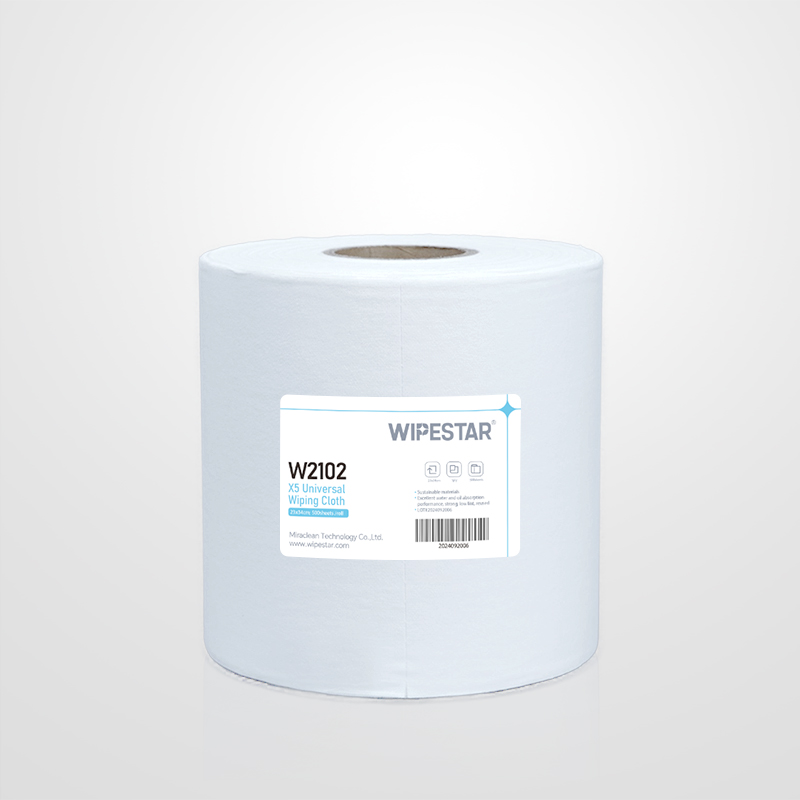
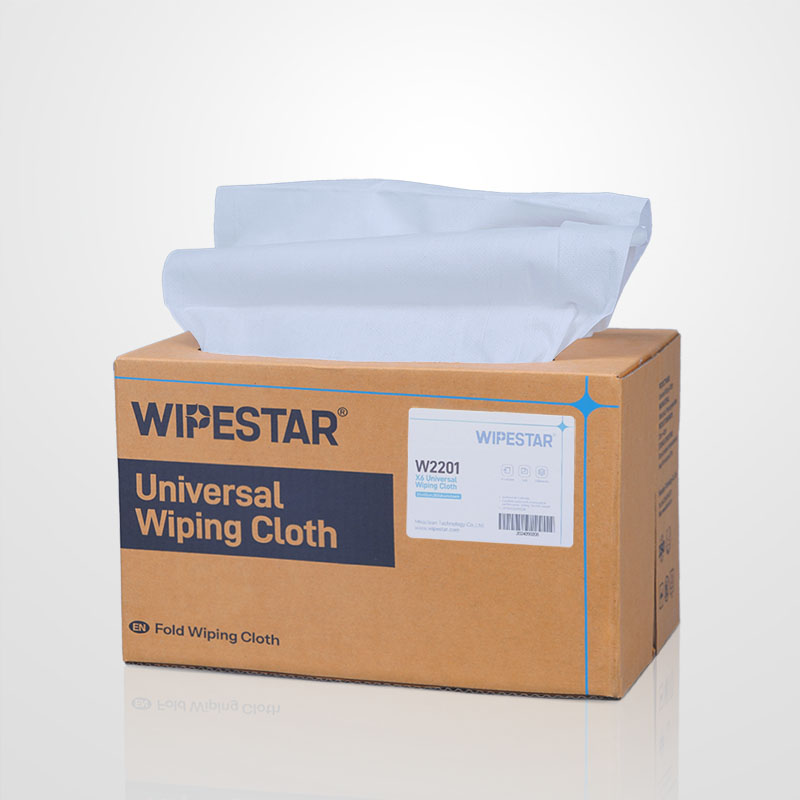
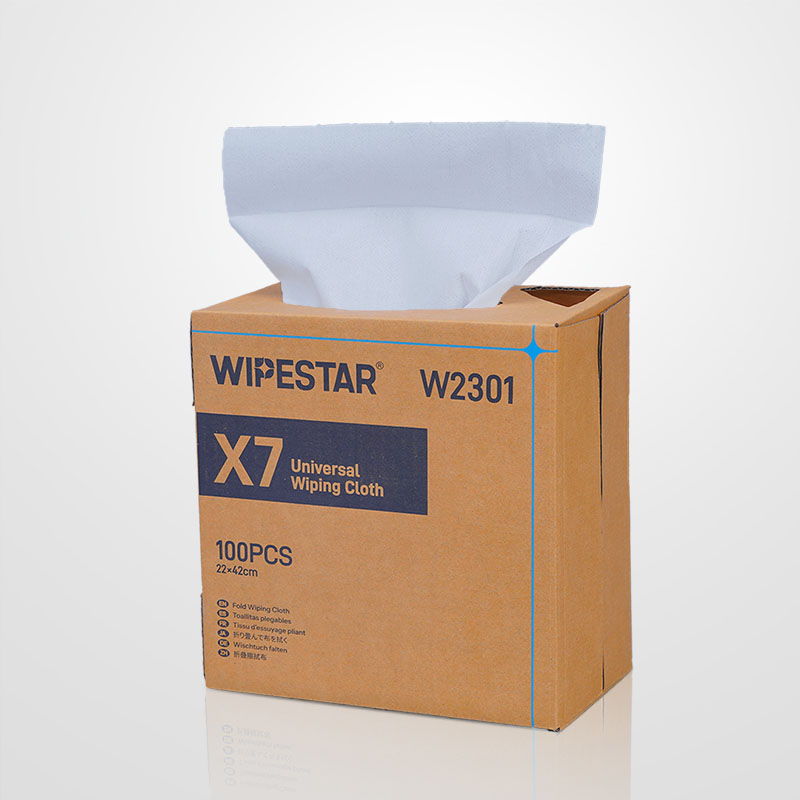
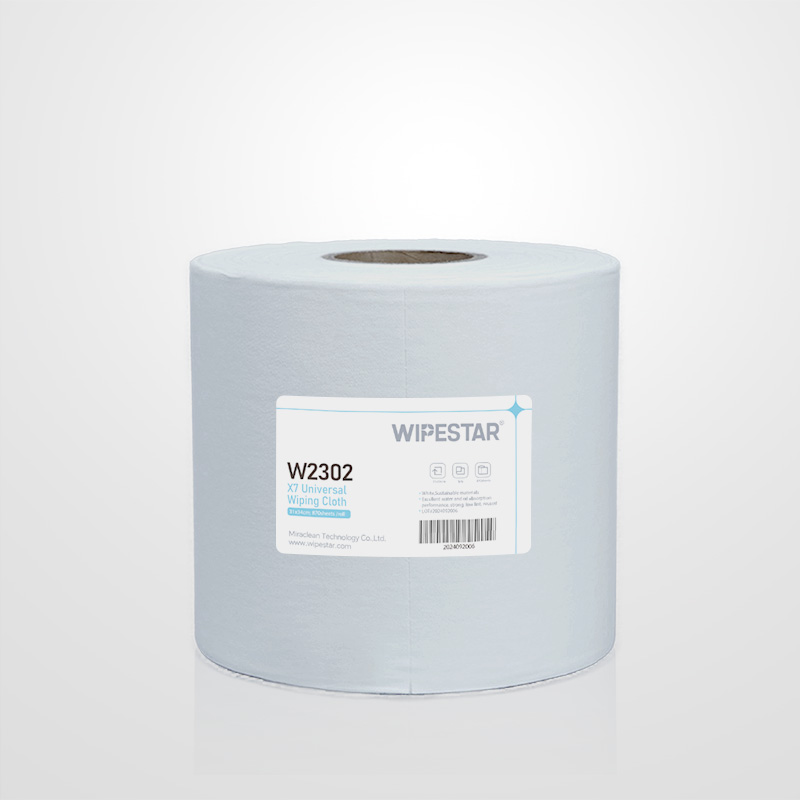
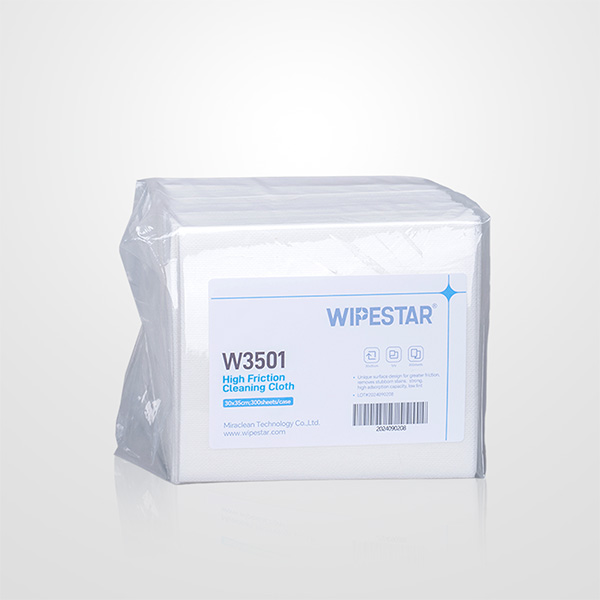
How your wiping paper is packaged affects usability. Foldable designs and large roll options provide flexibility—you can choose the format that works best for your specific application. Some operations prefer individual sheets for hygiene reasons, while others prefer rolls for efficiency.
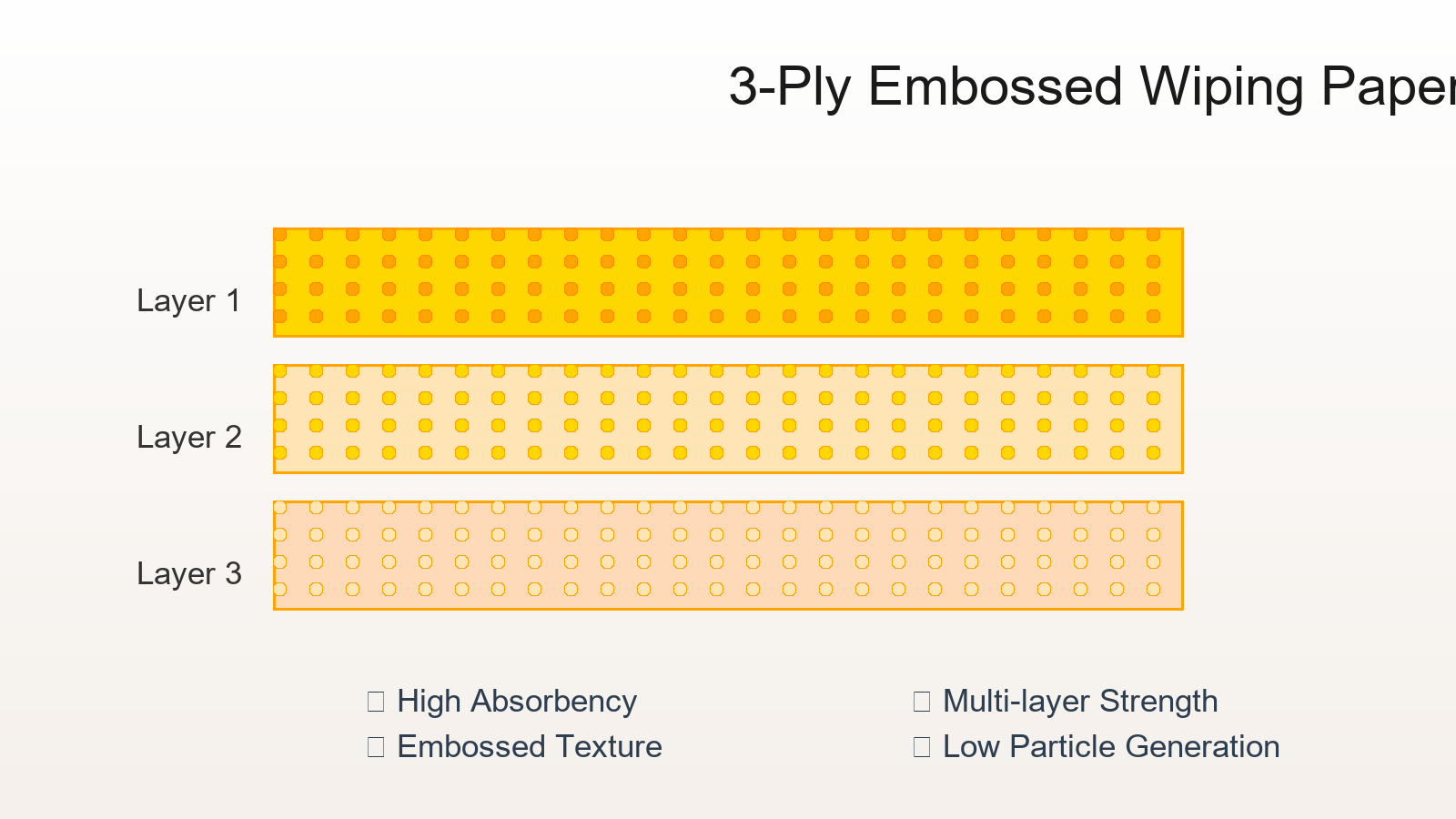
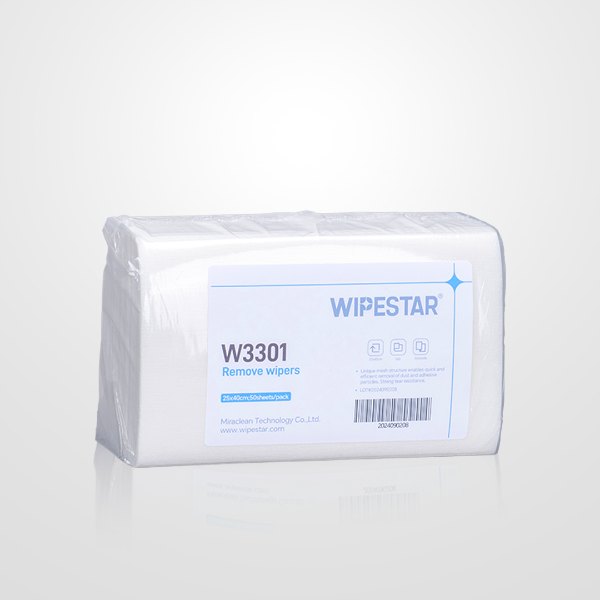
The multi-layer embossed design provides superior absorbency and cleaning performance
Hygiene and Safety Considerations
In many industrial settings, hygiene is critical. When multiple workers use wiping paper from a shared source, cross-contamination becomes a concern. This is where individual sheet dispensing becomes valuable.
With one-at-a-time sheet dispensing, each worker only touches the sheet they’re using. This reduces the spread of contaminants and improves overall hygiene standards. It’s a small feature that makes a real difference in facilities where cleanliness standards are strict.
Additionally, disposable wiping paper eliminates the need for laundering cloth rags, which can harbor bacteria and require significant water and energy resources. From both a hygiene and sustainability perspective, quality disposable wiping paper is often the better choice.
Waste Reduction and Cost Savings
One of the most overlooked benefits of quality wiping paper is waste reduction. When your paper is strong and absorbent, you use less of it. This might seem like a small thing, but multiply it across an entire facility over a year, and the savings become substantial.
Consider this: if a facility uses 100 sheets of budget paper per day for a specific task, but only needs 70 sheets of quality paper to accomplish the same result, that’s a 30% reduction in consumption. Over a year, that’s significant savings—not just in paper cost, but also in disposal costs and storage space.
The reduced streaming that comes with quality paper also means less waste. Streaming occurs when paper tears unevenly or sheets stick together, resulting in multiple sheets being used when only one was needed. Quality paper with proper embossing and ply structure minimizes this problem.
Making the Switch: Implementation Tips
Start with a Trial
Don’t overhaul your entire wiping paper supply at once. Start with a trial in one department or for one specific application. This allows you to evaluate performance and cost-effectiveness before committing to a full switch.
Train Your Team
Educate your staff about the benefits of quality wiping paper. When workers understand why they’re using a particular product, they’re more likely to use it correctly and appreciate the difference in performance.
Track Consumption
Monitor how much wiping paper your facility uses before and after switching. This data will help you calculate the true cost savings and justify the investment to management.
Consider Your Specific Needs
Not every application requires 3-ply paper. Evaluate your actual needs. For light cleaning tasks, 1-ply or 2-ply might be sufficient. Reserve premium 3-ply paper for applications where strength and absorbency are critical.
Ready to Upgrade Your Wiping Paper?
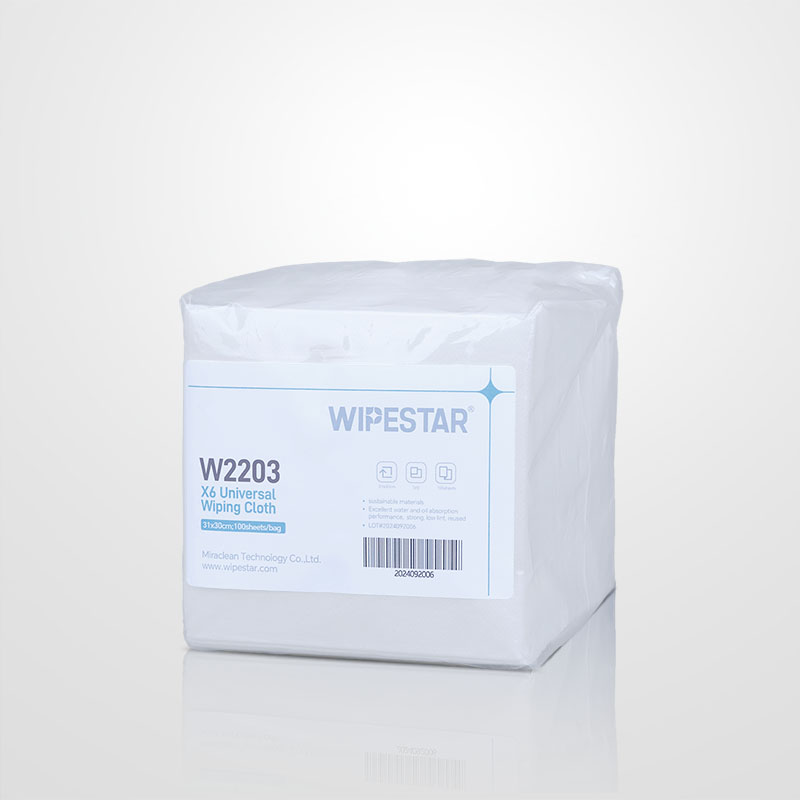
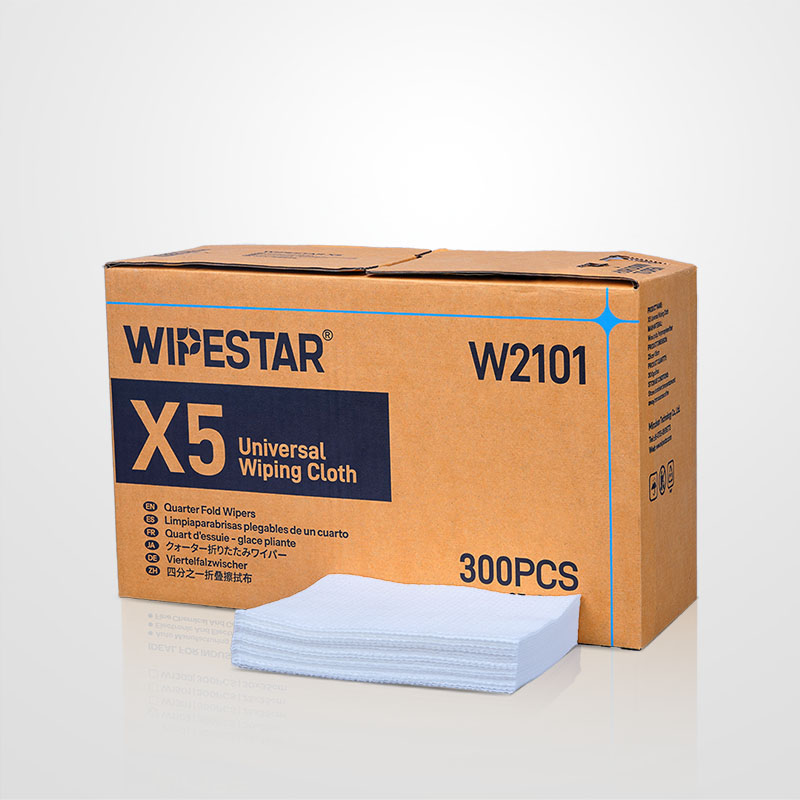
If you’re ready to experience the difference that quality wiping paper can make, explore the full range of WIPESTAR wiping paper options. From delicate task wipes to efficient industrial-grade paper, there’s a solution designed for your specific needs.
The Bottom Line on Wiping Paper Quality
Wiping paper might seem like a minor supply item, but it plays a crucial role in industrial operations. The difference between budget paper and quality paper extends far beyond the initial purchase price. When you factor in labor efficiency, cleaning effectiveness, contamination prevention, and waste reduction, premium wiping paper often delivers better overall value.
Whether you’re running a manufacturing facility, managing maintenance operations, or handling precision cleaning tasks, investing in quality wiping paper is an investment in operational efficiency and product quality. The next time you’re placing an order, don’t just look at the per-sheet cost. Consider the total cost of ownership, and you’ll likely find that upgrading to quality paper makes both operational and financial sense.
Your facility deserves wiping paper that performs. Your team deserves tools that work effectively. And your bottom line deserves the cost savings that come from doing things right the first time.
About WIPESTAR: WIPESTAR specializes in industrial-grade wiping solutions designed for manufacturing, maintenance, and precision cleaning applications. Our products are engineered for performance, reliability, and cost-effectiveness.
Tags: 3-ply wiping paper · embossed wiping paper · industrial wiping paper · low-linting wipes · wood pulp wipes


Comments & Discussion