Language

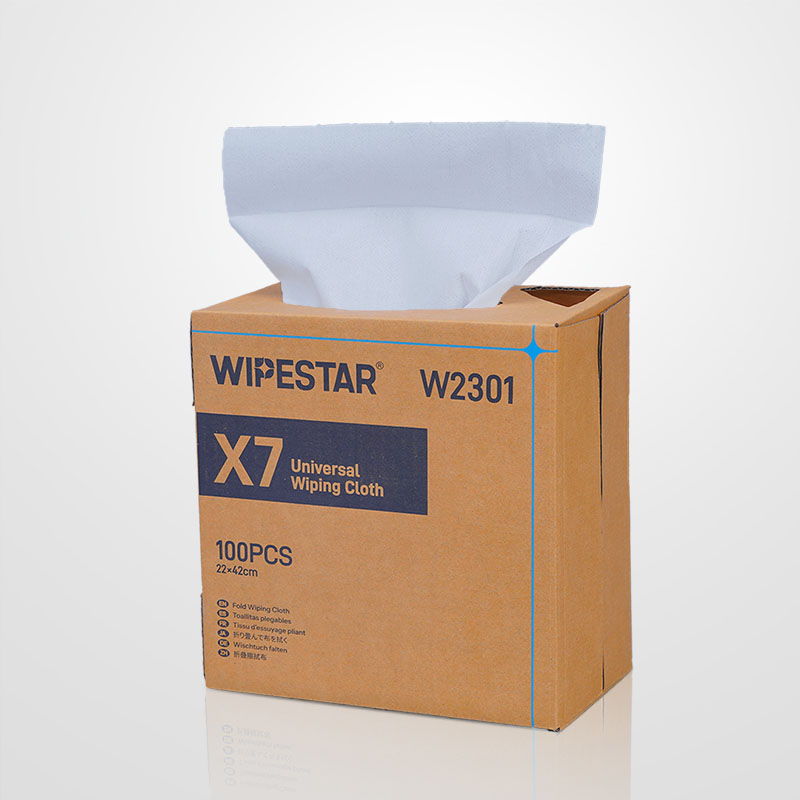
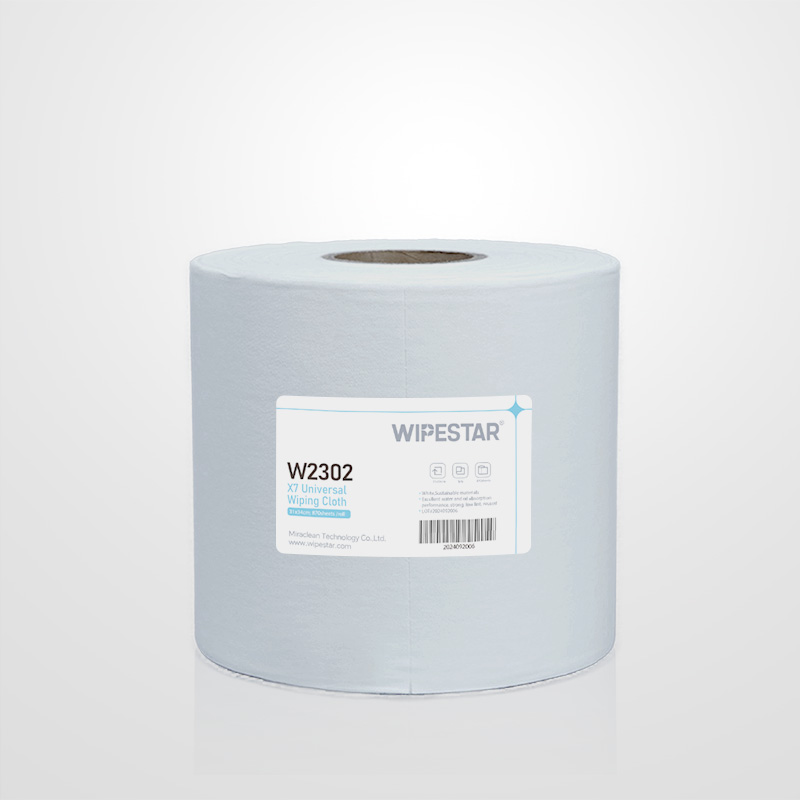
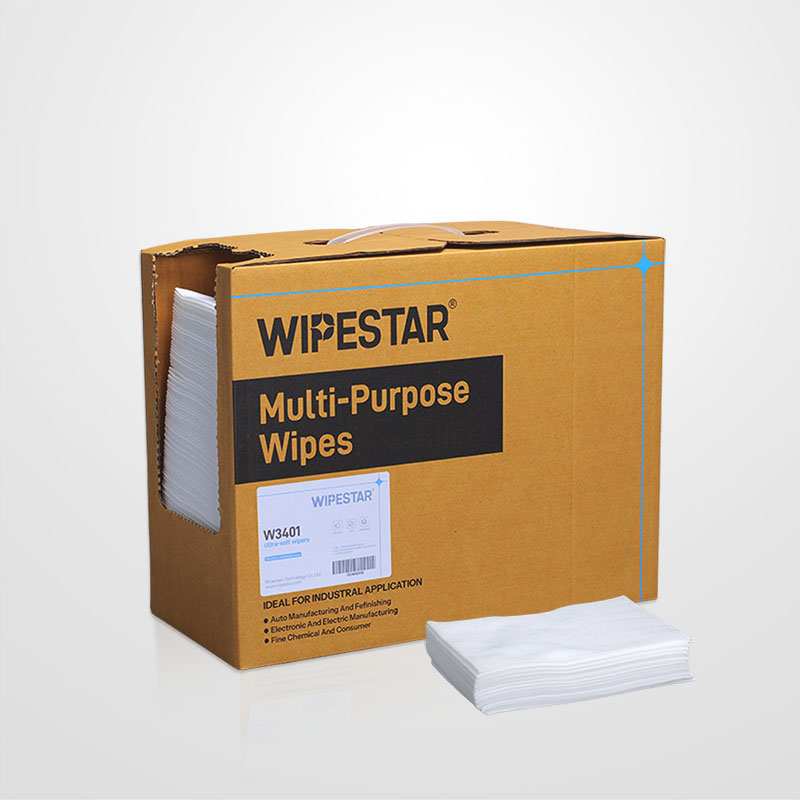
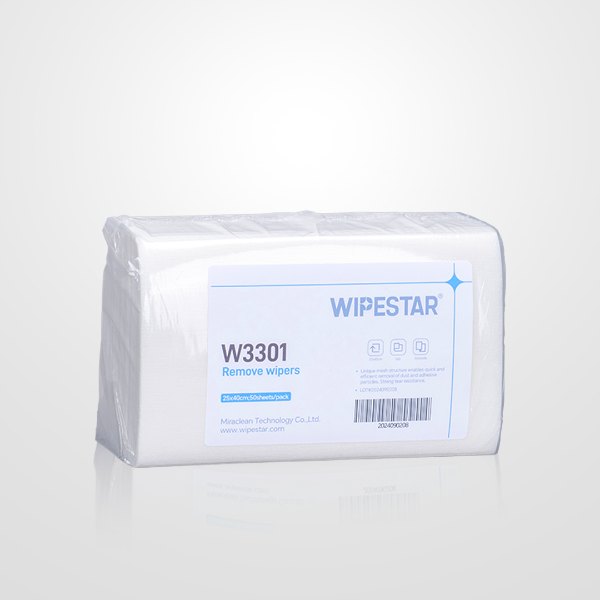
<p><strong>In the modern automobile industry system, the precision wiping process runs through the four core workshop operation links. As a professional consumable in the field of automobile manufacturing, industrial wipes need to match the corresponding products according to the characteristics of different processes. The following are the selection guides and technical analysis of each production link.</strong></p><p><strong>The oil pollution control plan in the stamping workshop is the first process of vehicle manufacturing. The stamping equipment will produce a large amount of lubricating oil residue when processing metal sheets. The actual data of the Kevin Health technical team shows that the daily oil pollution generation of a single press can reach 3–5 liters. It is recommended to use L4 high-efficiency wipe paper (oil absorption rate up to 98%) to treat conventional oil stains, and use anti-spill oil-absorbing cotton (oil capacity up to 20 times its own weight) to deal with sudden leakage. For precision mold maintenance, it is recommended to use L3 standard wipe paper with a strong oil-absorbing cloth with 60μm fiber structure, which can not only remove stubborn oil stains but also prevent fibers from falling off.</strong></p><p style="text-align: center;"><a href="https://www.wipestar.com/products-wiping-cloth/" target="_self" title="Car cleaning cloth"><img src="https://img.wipestar.com/uploads/allimg/20250422/1-2504220TR23I.png" title="Car-cleaning-cloth" alt="Car-cleaning-cloth" width="458" height="400"/></a></p><p>The cleaning management of welding and assembly workshop specifies that the metal dust and welding slag generated by the welding and assembly process have strong adhesion, and conventional wiping materials are prone to secondary pollution. Through comparative experiments, we found that a sticky dust cloth with a multi-layer composite structure can effectively capture particles above 0.5mm. In the robot maintenance process, it is recommended to use multipurpose wipes (wear resistance index ≥2000 times) and anti-static multi-function wipes. The former is suitable for welding torch electrode cleaning, and the latter can prevent static damage during precision circuit board cleaning.</p><p>As the core department of automotive surface treatment, the painting workshop has the most stringent requirements for the cleanliness of the wipe materials. In response to the problem of residual glue cleaning, mesh adhesive removal cloth has shown a 40% faster adhesive removal efficiency than traditional products in actual vehicle testing with its patented honeycomb structure design. The dust-free treatment before the topcoat requires the use of sub-fine dust-free cloth (0.3 micron fiber structure), and its dust removal capability can reach ISO level 4 cleanliness standard. It is worth noting that the application of ultra-flexible wipes in the paint inspection process has a low friction characteristic of 0.1N/cm² that can effectively avoid subtle scratches.</p><p>The overall assembly process of the assembly workshop involves the assembly and cleaning of 12 major categories of parts. The oil removal wipes developed by Colin Wei use biodegradable formula to achieve rapid decontamination in the wheel hub cleaning test. For the residue of glass sealant, it is recommended to use a special wiper with a wedge-shaped design, and its V-shaped fiber arrangement can penetrate deep into the internal gap of the glue gun nozzle. Data show that the comprehensive utilization rate of microfiber wipes in the assembly workshop reaches 68%, especially when the interior parts are cleaned, its 3D three-dimensional braided structure can synchronize the dual operations of dust removal and liquid absorption.</p><p>Professional selection suggestions: Comparison of characteristics of wipes made of different materials Microfiber: The fiber density per unit area is 200,000 pieces/cm², suitable for precision dust removal Mesh structure: The pore diameter is controlled in the range of 0.8-1.2mm, balancing glue removal efficiency and debris residue Composite material: 70% polyester + 30% cotton blend, both liquid absorption and wear resistance Anti-static treatment: The surface resistance value is maintained at 10^6-10^9Ω to ensure the safety of electronic components</p><p>Through the systematic wiping solution design, automobile manufacturers can increase the equipment productivity by 15%, while reducing the rework rate by 30%.
Cleaning solutions in automotive precision manufacturing processes are irreplaceable in key processes such as power battery assembly, engine cylinder polishing, and window glass coating. The use of anti-static and dust-free cloth that complies with the BEST standard (International Environmental Science and Technology Association Standard) can effectively eliminate particle pollution of more than 0.3μm on the surface of precision parts, ensuring that the cleanliness of the power battery pole plate meets the EV-TEST certification requirements.</p><p>The industry-leading cleaning material configuration scheme includes: Microfiber wipes: a microfiber structure with a single filament size of 0.1 denier, which demonstrates excellent oil-grained trapping capabilities in engine crankcase cleaning Multi-layer composite wipes: a 7-layer gradient filtration system designed for window coating process, which can intercept 98.7% of grinding residues Chemical corrosion resistant wipes: Polyester-cellulose blending technology is used to maintain material stability in brake fluid pipeline cleaning scenarios</p><p>According to SGS laboratory test data, professional automotive wipes can improve cleaning efficiency by 23% compared to ordinary cotton cloths, while reducing the risk of fiber shedding by 67%. In the practice of the assembly workshop, a new energy vehicle company has systematically upgraded the consumables, increasing the passing rate of battery module quality inspection from 92.4% to 98.1%, and saving rework costs in a single line annually reached 370,000 yuan.</p>
Tags:No tag
RELATED RESOURCES
Sub-fine Cleanroom Wipes: How ...
Asia Dirtless Cloth: Cleaning Innovation Solutions...
More
Pharmaceutical Equipment Clean...
Pharmaceutical Equipment Cleaning Validation: TOC ...
More
Industrial wipes: technologica...
In the fields of industrial equipment maintenance ...
More
4-inch dust-free cloth micron-...
In the fields of precision manufacturing and micro...
More
The Cleaning Revolution of Pow...
How Industrial Wipes Revolve ManufacturingIn the e...
More
Precision manufacturing worksh...
Analysis on upgrading equipment cleaning standards...
More
Related Products
Room 101, Building 1, Angeer Factory, No.4, Hetian Road, Shatian Community, Kengzi Street, Pingshan District, Shenzhen, Guangdong, P.R. China 518122
info@wipestar.com
+86-755-89616775
+86-755-89616773
Related Products
RELATED RESOURCES