

Walk into any cleanroom and the first thing you notice is the silence. Not just sound — activity is controlled, movement is deliberate, and everything that enters the space has been thought about. The cleaning tools are no exception.
Choosing the right cleanroom cleaning consumables isn’t complicated once you understand what you’re actually trying to prevent. But get it wrong, and your cleaning process becomes a contamination source rather than a solution.
This guide covers what matters when selecting cleanroom wipes, swabs, and paper wipes for controlled environments — and why the differences between products that look similar on paper can have real consequences on the floor.
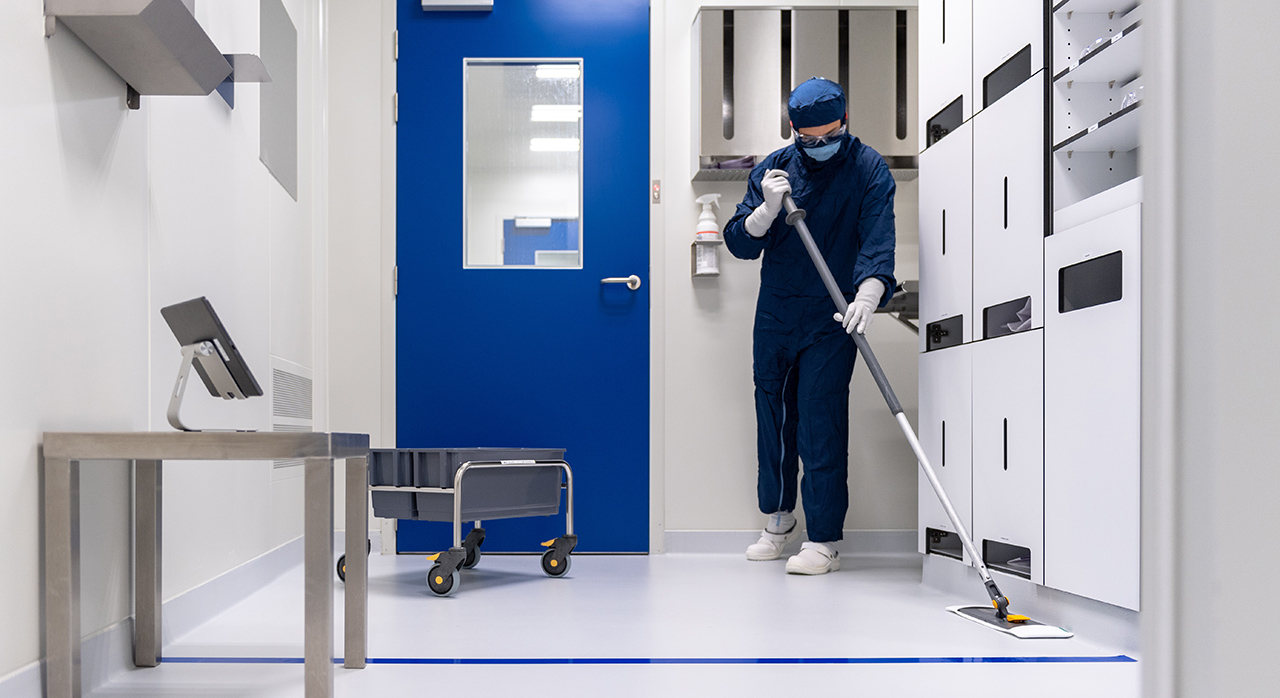
The Real Problem with Contamination in Cleanrooms
Most contamination in cleanrooms doesn’t come from the air. It comes from people and the tools they use. A standard shop rag or paper towel sheds thousands of fibers per wipe. In a semiconductor fab or pharmaceutical filling line, that’s not a minor inconvenience — it’s a yield problem, a compliance issue, or worse.
The goal of cleanroom consumables is straightforward: remove contamination without adding any. That means low particle generation, minimal fiber shedding, controlled ionic content, and no adhesive residues that could transfer to sensitive surfaces.
It also means the wipe needs to actually work — absorbing oils, capturing particles, and holding up to solvent exposure without falling apart mid-task.
Cleanroom Wipes: The Foundation of Surface Cleaning
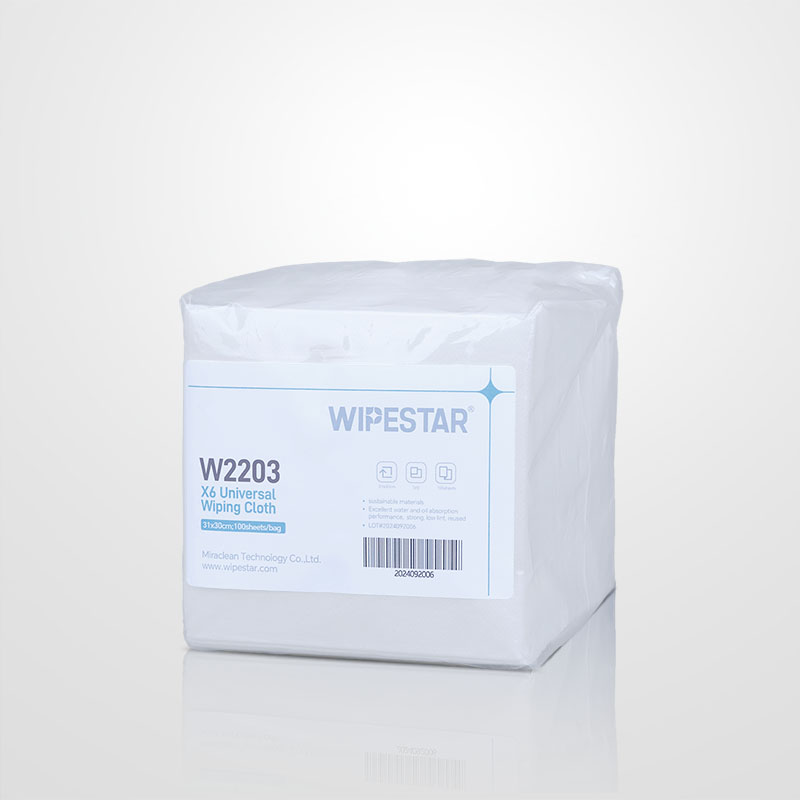
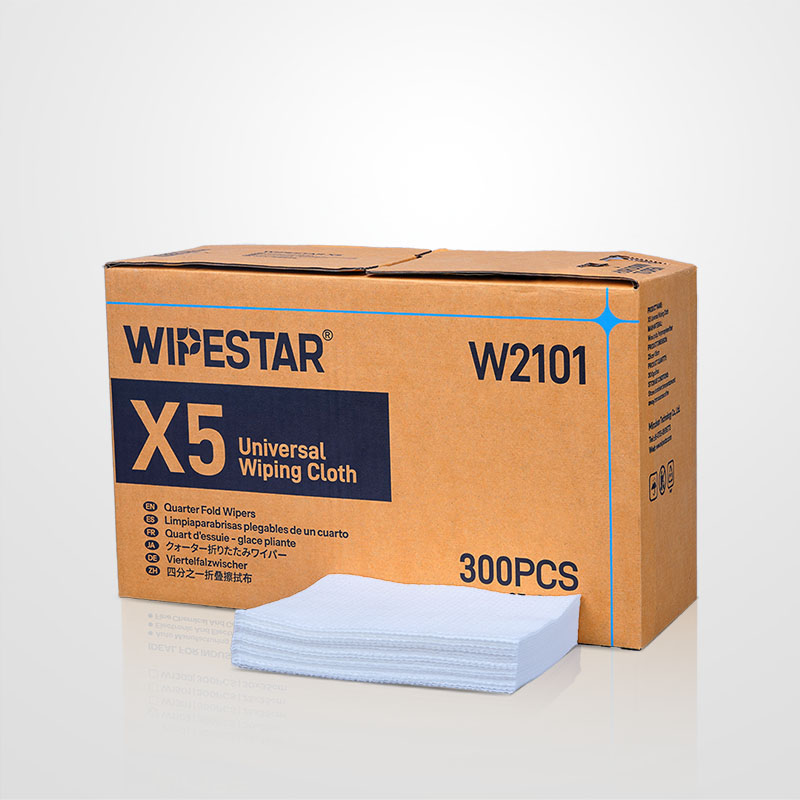
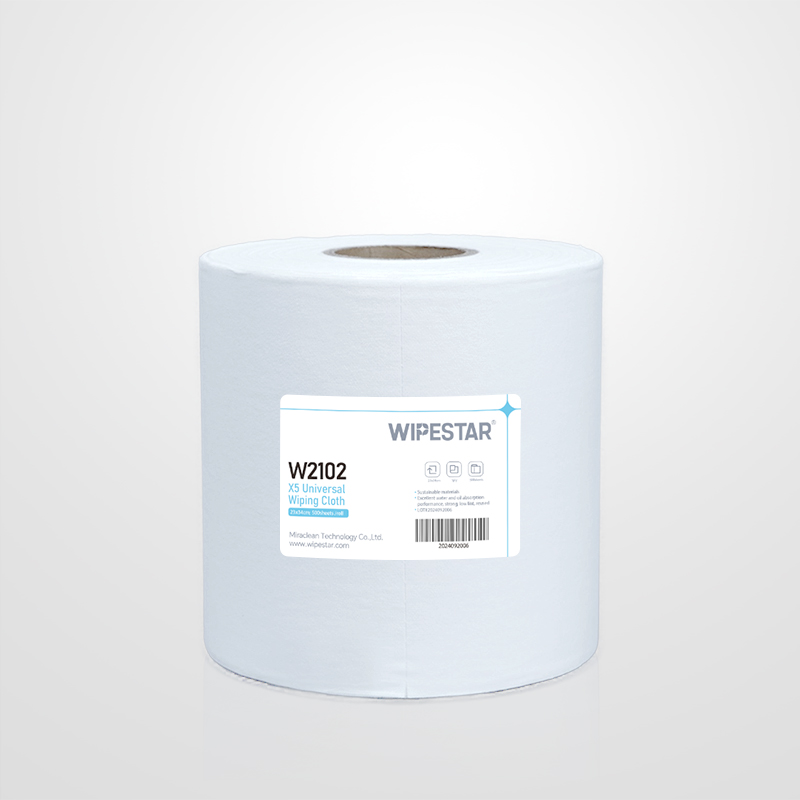
Cleanroom wiping cloths are the most commonly used consumable in controlled environments. They handle everything from routine surface wipe-downs to equipment maintenance and spill response.
The material matters more than most people realize. Here’s a quick breakdown of what you’ll encounter:
- Polyester — Low particle generation, good solvent resistance, suitable for higher ISO classifications. The go-to for semiconductor and electronics applications.
- Cellulose/Polyester blend — Better absorbency than pure polyester, slightly higher particle count. Good for general cleanroom maintenance and support areas.
- Rayon/Polyester — Soft, high absorbency, often used for surface preparation and delicate component cleaning.
- Wood pulp/Polypropylene — Higher absorbency for heavier contamination, typically used in less critical zones or general industrial areas adjacent to cleanrooms.
Edge type is another factor that gets overlooked. Cut-edge wipes shed more particles at the border than heat-sealed, laser-sealed, or ultrasonic-sealed alternatives. For ISO Class 5 and above, sealed edges aren’t optional — they’re necessary.
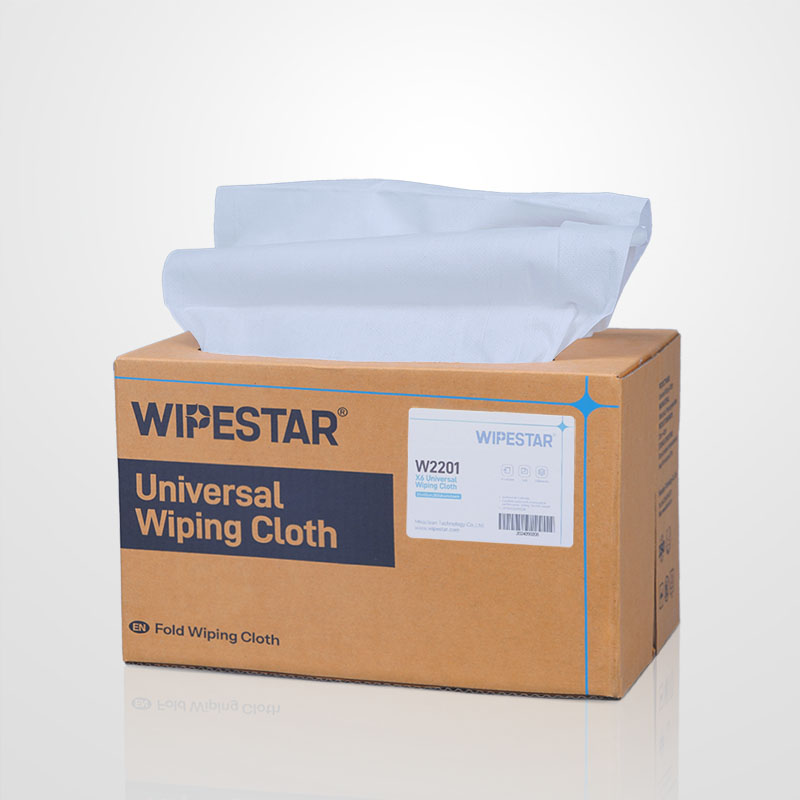
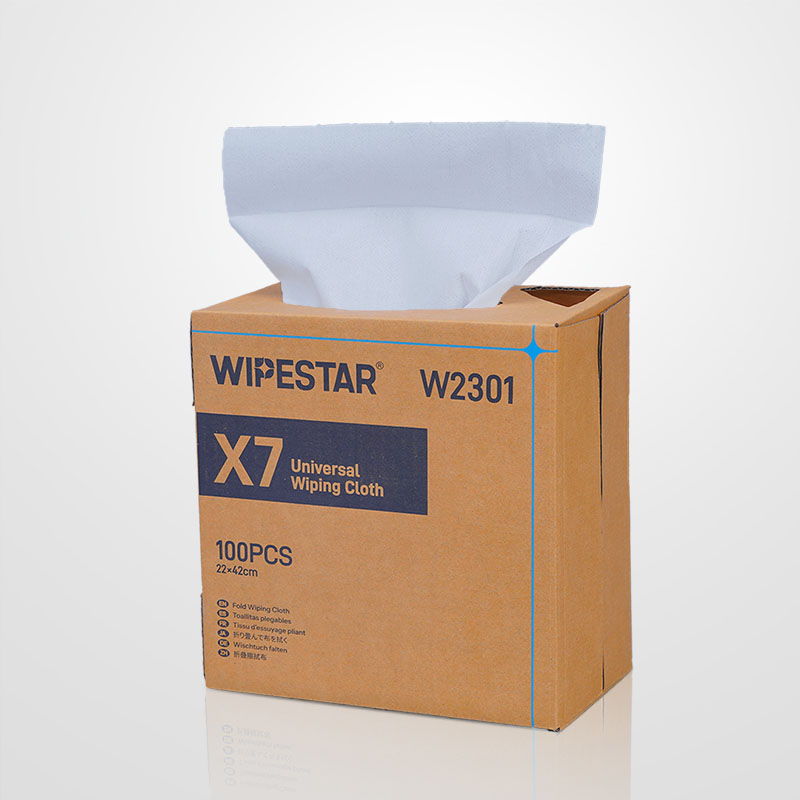
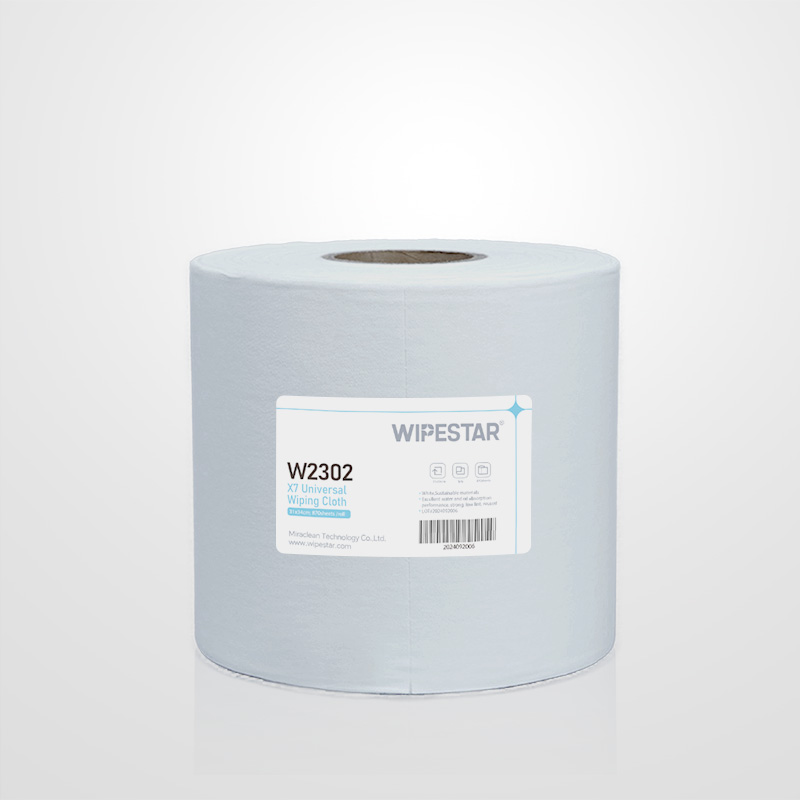
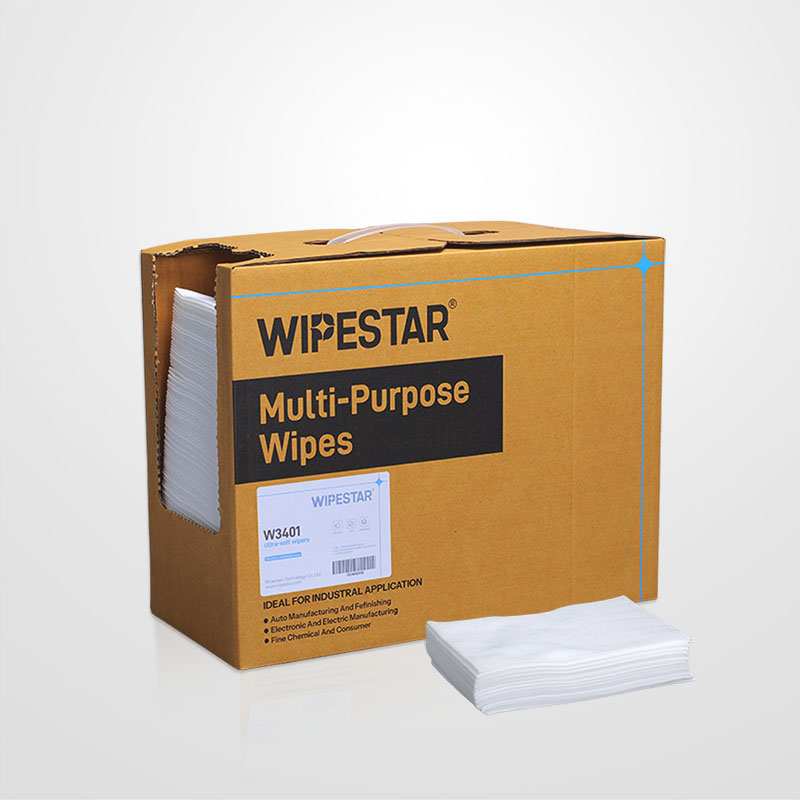
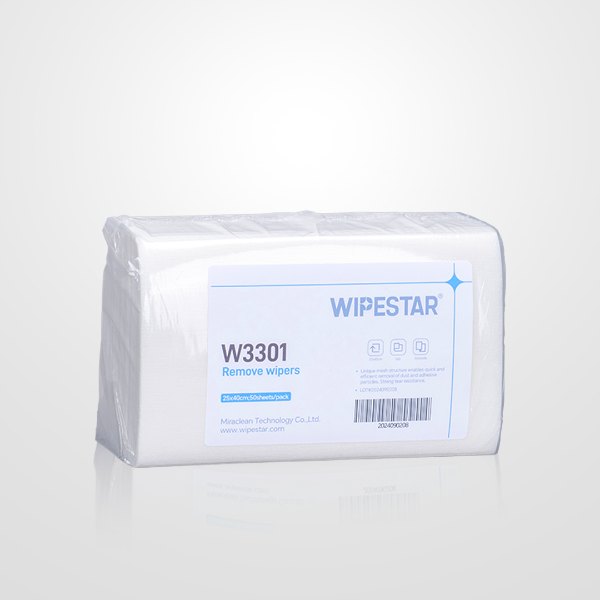
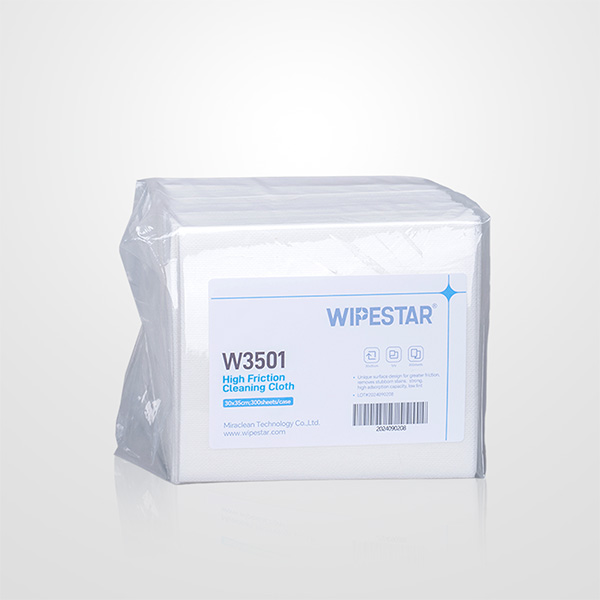
WIPESTAR’s wiping cloths range covers all these material types and edge configurations, from general-purpose options to validated cleanroom wipers for critical environments.
Cleanroom Swabs: When a Wipe Can’t Reach
Flat surfaces are easy. The challenge comes when you need to clean connector pins, equipment gaps, optical components, or any geometry where a wipe simply won’t fit.
That’s where cleanroom swabs come in. The same principles apply — low particle generation, no adhesive bonding, solvent compatibility — but now you’re also thinking about tip geometry and shaft length.
Foam tips (polyurethane) are the most common choice for general precision cleaning. The open-cell structure absorbs solvent and captures particles effectively. Polyester-tipped swabs offer lower particle generation for more critical applications. Cotton swabs, while familiar, are generally not suitable for controlled environments due to fiber shedding.
A few things to check when selecting cleanroom swabs:
- Is the tip bonded thermally (hot-pressed) or with adhesive? Adhesive bonding introduces contamination risk.
- Does the shaft length match your access requirements? Too short and you’re forcing awkward angles; too long and you lose control.
- Is the cleanliness class documented? For quality audits, you need traceable specifications, not just a label.
WIPESTAR’s cleanroom swabs catalog includes foam, polyester, and ESD-safe options across multiple lengths and tip geometries — from compact 60mm swabs for micro-component work to extended 180mm+ versions for deep equipment access.
Paper Wipes: Dust-Free Cleaning for Equipment and Tools
Dust-free paper wipes occupy a specific niche in cleanroom cleaning. They’re not the same as office paper towels — the manufacturing process controls fiber release, and the result is a wipe that collects dust and particles without shedding its own.
The primary use case is equipment and tool cleaning where you need something disposable, absorbent, and low-particle. They’re particularly common in pharmaceutical and medical device environments where single-use discipline is strict and cross-contamination between cleaning cycles is a compliance concern.
The key advantage over reusable cloths in these settings isn’t just cleanliness — it’s documentation. Single-use consumables simplify cleaning validation because there’s no question about whether the wipe was properly laundered between uses.
Matching Consumables to Your Cleanroom Classification
ISO classification determines which products are appropriate. Here’s a practical reference:
| ISO Class | Typical Industry | Recommended Wipe Type | Edge Type |
|---|---|---|---|
| ISO 4–5 | Semiconductor wafer fab, advanced optics | Polyester cleanroom wipers | Laser-sealed / Ultrasonic-sealed |
| ISO 6–7 | Pharmaceutical, medical devices, electronics assembly | Polyester or Rayon/Polyester wipers | Heat-sealed or Ultrasonic-sealed |
| ISO 8 | Electronics manufacturing, semiconductor support | Cellulose/Polyester multi-purpose wipes | Cut edge or heat-sealed |
| Non-classified support areas | General industrial, maintenance zones | Universal wiping cloths | Cut edge |
This is a general guide — actual product selection should be based on your facility’s validated cleaning procedures and the specific contamination risks in each zone.
Secondary Contamination: The Problem Nobody Talks About Enough
Here’s something that comes up repeatedly in cleanroom audits: secondary contamination from cleaning tools.
A wipe that sheds fibers doesn’t just fail to clean — it actively makes things worse. The same applies to swabs with adhesive-bonded tips that leave residue, or paper wipes that disintegrate when wet. You end up with a surface that looks clean but has a fresh layer of contamination from the cleaning process itself.
This is why the manufacturing process of cleanroom consumables matters as much as the material. WIPESTAR produces its wiping cloths and cleanroom swabs under ISO 9001-certified quality management, with products tested for particle generation, NVR, and ionic content before they leave the facility.
That documentation isn’t just paperwork — it’s what lets you defend your cleaning validation during an audit.
Industries That Rely on Cleanroom Consumables
The need for controlled cleaning tools extends across more industries than most people expect:
- Semiconductor manufacturing — Wafer handling, equipment maintenance, process chamber cleaning. Particle counts directly affect yield.
- Pharmaceutical and biotech — Filling lines, compounding areas, equipment preparation. Contamination here is a patient safety issue.
- Medical device production — Assembly and packaging in classified environments. Regulatory compliance requires documented cleaning tools.
- Aerospace and defense — Precision component manufacturing, avionics assembly, sensor production. Contamination affects performance and reliability.
- Flat panel display manufacturing — Glass substrate handling, coating processes. Even minor contamination causes visible defects.
- Optics and photonics — Lens manufacturing, fiber optic assembly, laser component production. Surface cleanliness is critical to optical performance.
Each of these industries has specific requirements, but the underlying principle is the same: the cleaning tool cannot be a contamination source.
Practical Tips for Cleanroom Consumable Selection
A few things worth keeping in mind when evaluating products:
Ask for test data, not just claims. Any supplier can say their wipes are “low particle.” Ask for actual particle count data, NVR test results, and ionic contamination levels. Reputable manufacturers have this documentation ready.
Match the product to the zone, not the whole facility. You don’t need ISO 5-grade wipes in your gowning room. Tiering your consumable selection by zone classification saves cost without compromising critical areas.
Consider solvent compatibility early. If your cleaning protocol uses IPA, acetone, or other solvents, verify compatibility before committing to a product. Some materials degrade with repeated solvent exposure.
Standardize where possible. Using five different wipe types across a facility creates training complexity and procurement headaches. Where specifications allow, consolidating to fewer SKUs simplifies operations.
WIPESTAR Cleanroom Products
WIPESTAR manufactures a full range of cleanroom cleaning consumables for controlled environments across industries. Their product line covers:
- Cleanroom wiping cloths — Polyester, cellulose/polyester, rayon/polyester, and wood pulp blends in multiple sizes and edge types
- Cleanroom swabs — Foam, polyester, ESD-safe, and cotton options across a range of lengths and tip geometries
- Full product catalog — Including surface preparation wipes, SMT stencil wiping rolls, oil absorbent cloths, and more
All products are manufactured under ISO 9001-certified quality management and comply with IEST and SEMI industry standards where applicable.
Frequently Asked Questions
What are cleanroom consumables?
Cleanroom consumables are single-use or limited-use cleaning tools — including wiping cloths, swabs, and paper wipes — manufactured to low-particle standards for ISO-classified environments. They remove contamination without introducing new particles, fibers, or chemical residues.
What’s the difference between cleanroom wipes and regular industrial wipes?
Regular industrial wipes aren’t manufactured or tested for particle generation. Cleanroom wipes are produced in controlled environments, tested for particle counts, NVR, and ionic contamination, and packaged to maintain cleanliness until use. Using regular wipes in a cleanroom can introduce more contamination than they remove.
Which WIPESTAR products are suitable for ISO Class 5 cleanrooms?
For ISO Class 5 environments, WIPESTAR recommends cleanroom wipers with laser-sealed or ultrasonic-sealed edges, which minimize particle generation at the wipe border. Cleanroom swabs with polyester or polyurethane foam tips are also suitable. Contact WIPESTAR for product-specific cleanliness class documentation.
For more information on WIPESTAR’s cleanroom consumables or to request samples, contact the team at info@wipestar.com or visit www.wipestar.com.
Related reading: Wiping Cloths · Cleanroom Swabs · All Products
Tags: cellulose polyester wipes · cleanroom cleaning consumables · cleanroom consumables supplier · cleanroom contamination control · cleanroom paper wipes · cleanroom swabs · Cleanroom Wipes · dust-free wiping cloths · ISO 8 cleanroom · ISO cleanroom consumables · pharmaceutical cleanroom · polyester cleanroom wipes · semiconductor cleaning · WIPESTAR cleanroom products



Comments & Discussion