Language

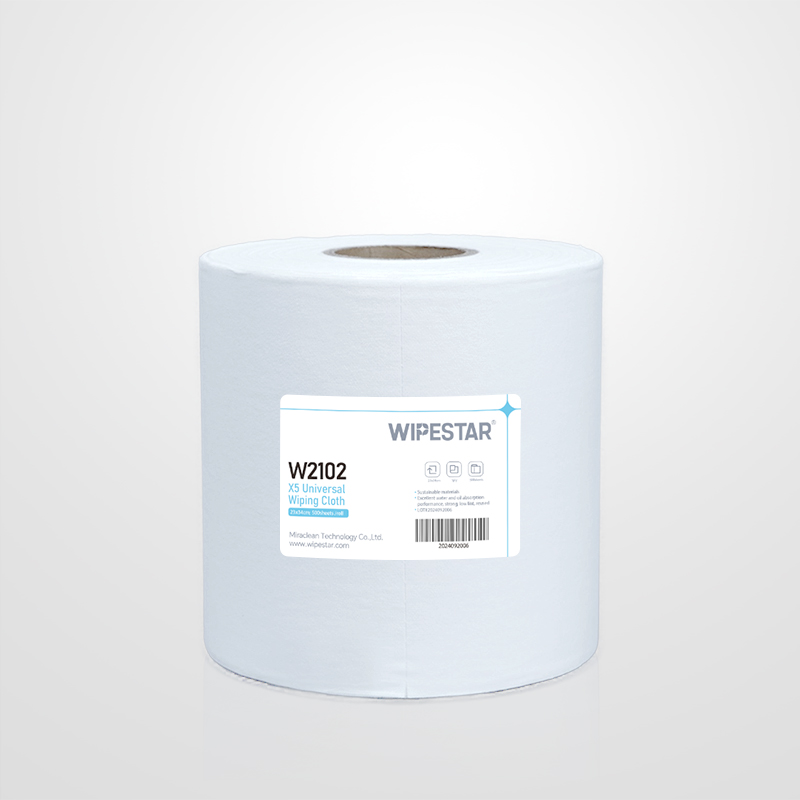
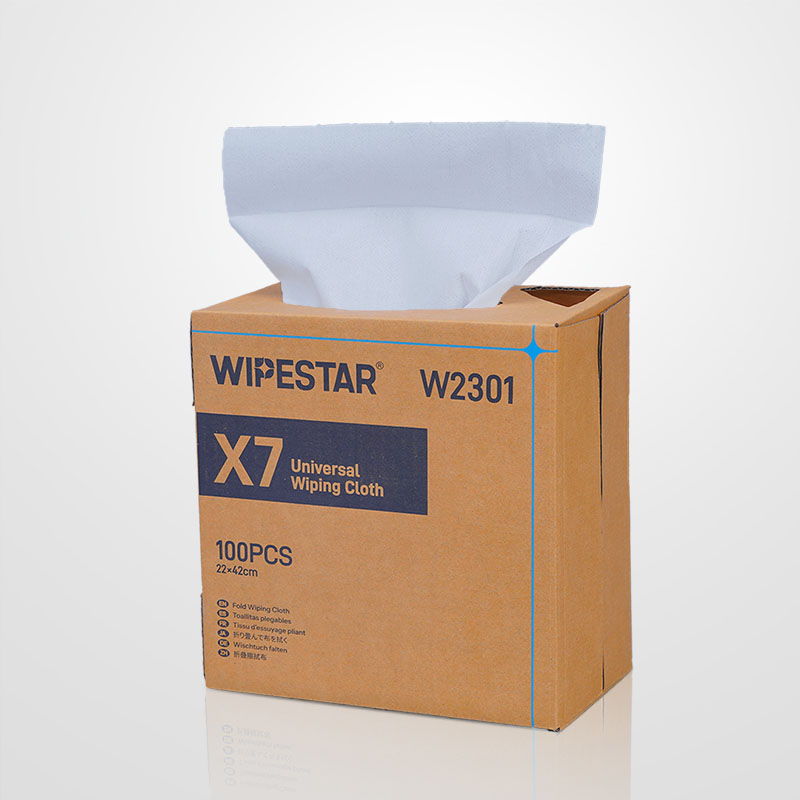
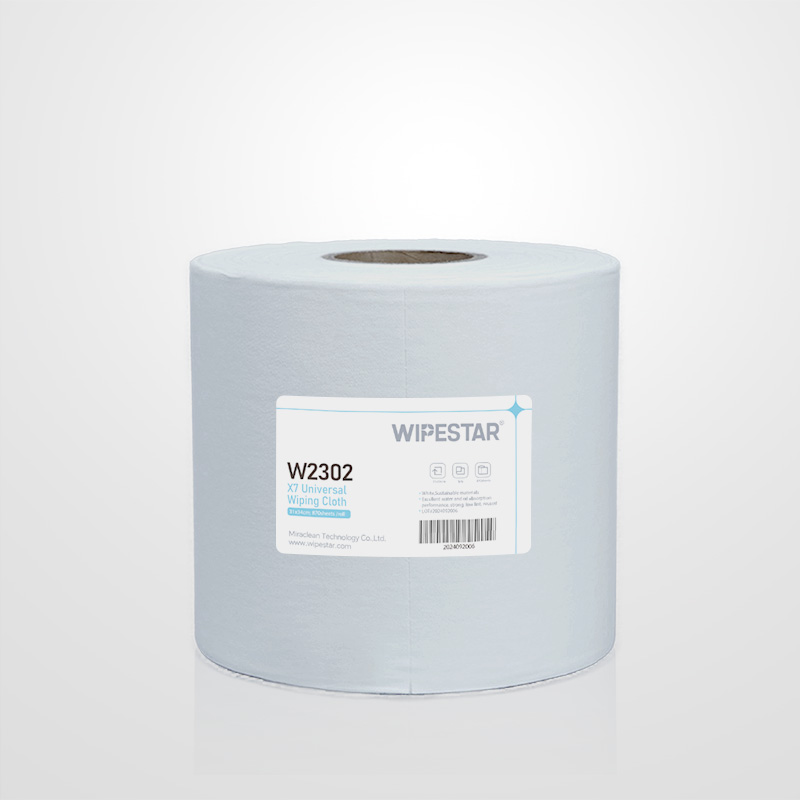
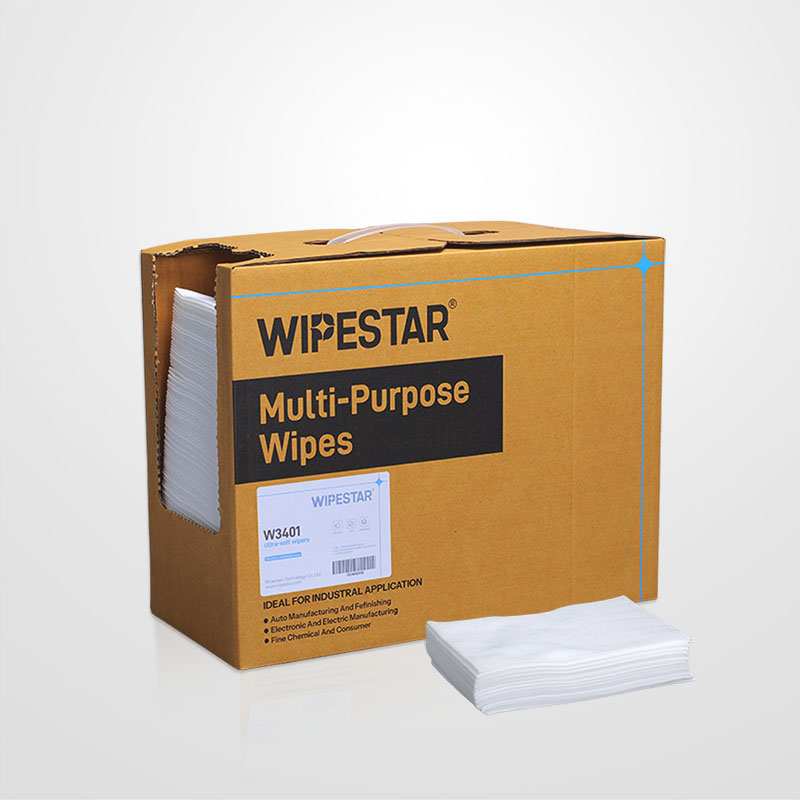
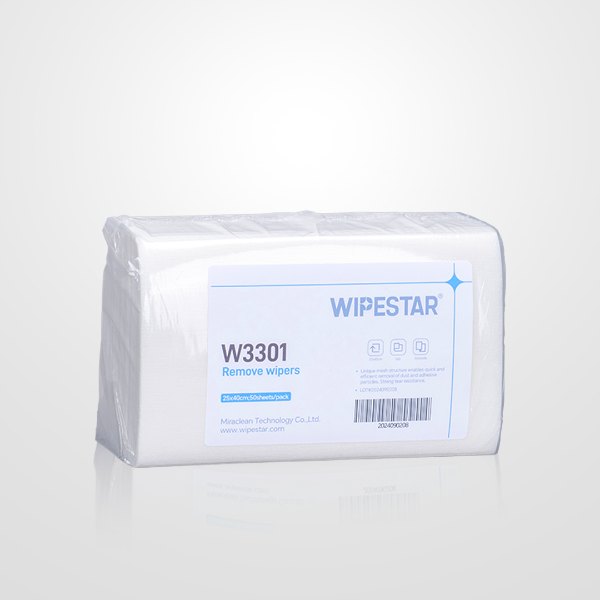
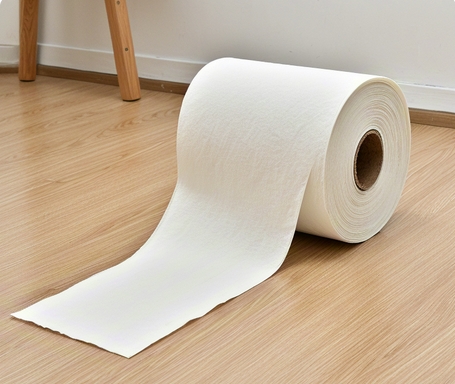
<p><strong>In-depth analysis of <a href="https://www.wipestar.com/products/591.html" target="_self" title="dust-free paper">dust-free paper</a> technology evolution and industrial application In the material innovations born in the European industrial revolution in the 1960s, the breakthrough in dry forming technology led by Danish scientist Dr. Karl Kronya is particularly eye-catching. By innovatively combining Nordic high-quality needle wood pulp with synthetic fibers, the first generation of dust-free paper products have been successfully developed. This nonwoven technology revolutionized the fiber shedding problem that traditional cotton wipes have been widely present. According to the 1968 Technical White Paper of the European Materials Association, the invention has jumped the pass rate of precision instrument wiping from 72% to 96%, directly promoting the process innovation of the semiconductor manufacturing industry.</strong></p><p style="text-align: center;"><a href="https://www.wipestar.com/products-wipe-papers/" target="_self" title="dust-free paper"><strong><img src="https://img.wipestar.com/uploads/allimg/20250411/1-250411095049D3.png" title="dust-free-paper" alt="dust-free-paper" width="451" height="356"/></strong></a></p><p>Material Engineering Perspective: Synergistic Effect of Composite Fiber Modern <a href="https://www.wipestar.com/products/591.html" target="_self" title="dust-free paper"><strong>dust-free paper</strong></a> adopts a precision-matched 55% imported coniferous wood pulp and 45% modified polyester fiber composite structure. Laboratory microscopic analysis shows that the honeycomb-like cross-section unique to the needle wood pulp fibers forms a micron-scale capillary network, which can achieve instantaneous liquid adsorption of 3.5 liters per square meter, which is equivalent to 1.8 times the absorption efficiency of the same area of sponges. The plasma hydrophilic polyester fibers are modified through molecular-grade surfaces to increase the material wear resistance index to 200 industrial wipe cycles. This data has been verified by the ISO 9073-4 standard.</p><p>Analysis of breakthrough manufacturing technology is different from traditional wet papermaking. Modern dust-free paper uses air-laid technology to build a three-dimensional fiber matrix. On the production line with a width of 1.2 meters, the intelligent airflow control system can achieve fiber orientation arrangement with an accuracy of 0.02mm. The bonding process adopts environmentally friendly acrylic crosslinking technology, and some medical-grade products use hot melt composite processes to make the longitudinal tensile strength reach the industry peak of 18N/cm². It is worth noting that Bayer Materials Technology's 2021 research report pointed out that the process reduces energy consumption by 37%, which is in line with the global carbon neutrality trend.</p><p>Empirical performance and industrial scenario verification In the field of semiconductor manufacturing, after 500 wafer wipe tests, the shedding amount of dust-free paper surface particles is stably controlled below 5μm, meeting the ISO 14644-1 Class 4 clean room standard. Chemical compatibility test data show that its strong acid and alkali resistance is stable in the environment of pH value 1-13, and the adsorption rate to isopropanol reaches 0.8 seconds/cm², which is 2.3 times higher than that of traditional nonwoven fabrics. 3M Laboratory's 2023 comparative experiments have confirmed that the use of wood pulp-based <a href="https://www.wipestar.com/products/591.html" target="_self" title="dust-free paper">dust-free paper</a> can increase the yield rate of LCD panel production by 1.7 percentage points.</p><p>Specification system and packaging technology innovation industry standard specifications cover the 4-12-inch full-size series, including 9-inch products with a 62% market share in the world, and its annular locking design reduces edge fiber scattering by 23%. The seven-layer co-extruded medical grade polyethylene composite film packaging is used, combined with nitrogen replacement sealing technology, so that the product shelf life is extended to 36 months. From 150-piece economical packaging to 1,200-piece industrial packaging, the modular packaging solution meets the needs of different scenarios. The production line data of Asahi Kasei company in Japan shows that the packaging system reduces the risk of unpacking pollution to below 0.3ppm.</p><p>In the field of precision manufacturing, roll <a href="https://www.wipestar.com/products-wipe-papers/" target="_self" title="dust-free paper"><strong>dust-free paper</strong></a> has become the industry standard with its silicone oil-free treatment process. The standard roll length can reach 300 meters and supports customized production. This continuous feeding feature makes it perfectly adapted to high-speed automated production lines, effectively avoiding downtime losses caused by traditional sheet replacement. Taking a head OLED panel factory in Shenzhen as an example, it uses a 9-inch-specification dust-free paper with a monthly consumption of 120,000 pieces. It can remove 0.3μm-level particles (equivalent to 1/30 of the size of the new coronavirus) through precision electrostatic adsorption technology, ensuring the nano-level cleanliness standard of the screen coating process.</p><p>In the biopharmaceutical industry, the sterilization and packaging process of a German multinational pharmaceutical company is worth learning from. Its medical grade dust-free paper is not only treated with gamma ray sterilization, but also accurately controls the residual amount of ethylene oxide within the 0.1ppm threshold (about equal to the concentration of 1 drop of disinfectant in the swimming pool). This strict standard stems from the special requirements of the EU GMP specification for cell culture medium packaging. The residual detection uses gas chromatography-mass spectrometry combined technology to ensure zero contamination of biologically active substances.</p><p>The aerospace field has put forward stricter standards for cleaning materials, and a certain model of composite wing production line designates the use of carbon fiber reinforced dust-free paper. The material has a tensile strength of 200MPa and a surface friction coefficient as low as 0.08. It can effectively remove the residual mold release agent when cleaning the carbon fiber prepreg without secondary pollution.</p>
Tags:No tag
RELATED RESOURCES
Sub-fine Cleanroom Wipes: How ...
Asia Dirtless Cloth: Cleaning Innovation Solutions...
More
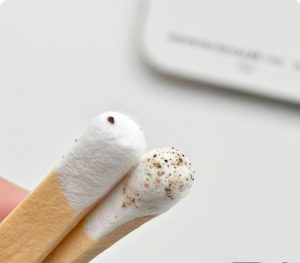
Pharmaceutical Equipment Clean...
Pharmaceutical Equipment Cleaning Validation: TOC ...
More
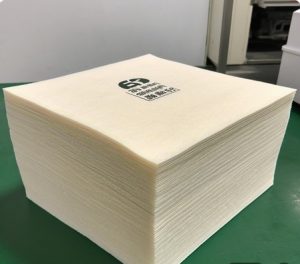
Industrial wipes: technologica...
In the fields of industrial equipment maintenance ...
More
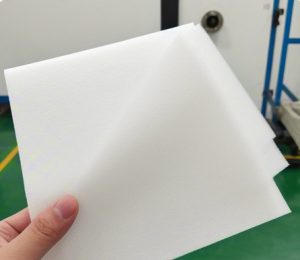
4-inch dust-free cloth micron-...
In the fields of precision manufacturing and micro...
More
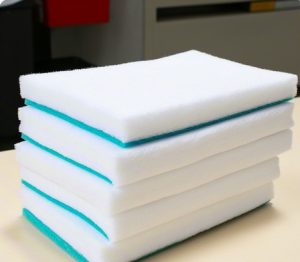
The Cleaning Revolution of Pow...
How Industrial Wipes Revolve ManufacturingIn the e...
More
Precision manufacturing worksh...
Analysis on upgrading equipment cleaning standards...
More
Related Products
Room 101, Building 1, Angeer Factory, No.4, Hetian Road, Shatian Community, Kengzi Street, Pingshan District, Shenzhen, Guangdong, P.R. China 518122
info@wipestar.com
+86-755-89616775
+86-755-89616773
Related Products
RELATED RESOURCES