Frequently Asked Questions About Heavy Duty Surface Preparation Wipes
What are heavy duty surface preparation wipes used for?
Heavy duty surface preparation wipes are designed to remove stubborn contaminants — grease, hydraulic fluid, machining oil, and fingerprint residue — from surfaces before coating, painting, bonding, or sealing. They are commonly used in automotive production, rail maintenance, bearing manufacturing, screen printing, and mold processing where surface cleanliness directly affects product quality.
What material is best for surface preparation wipes?
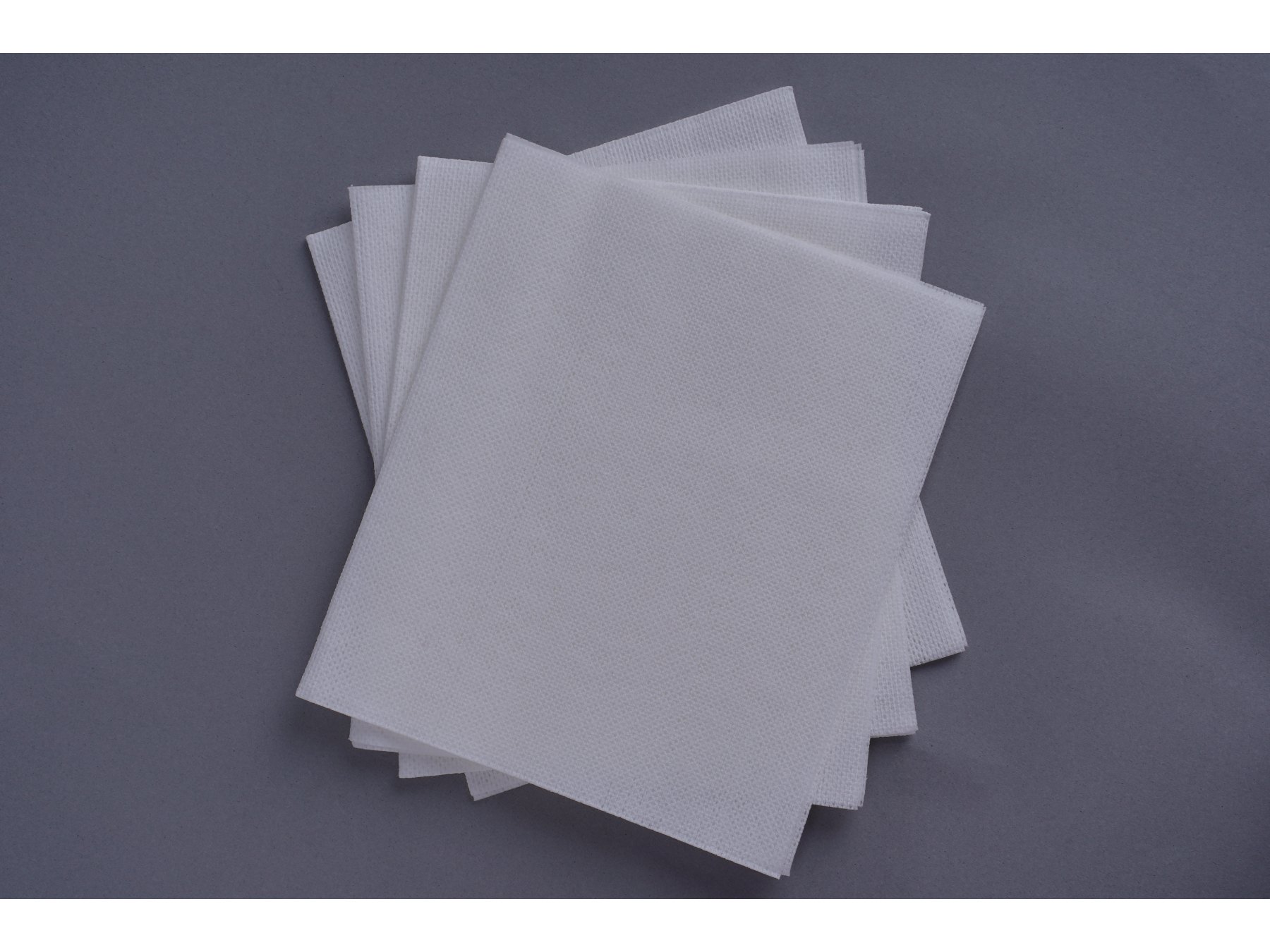
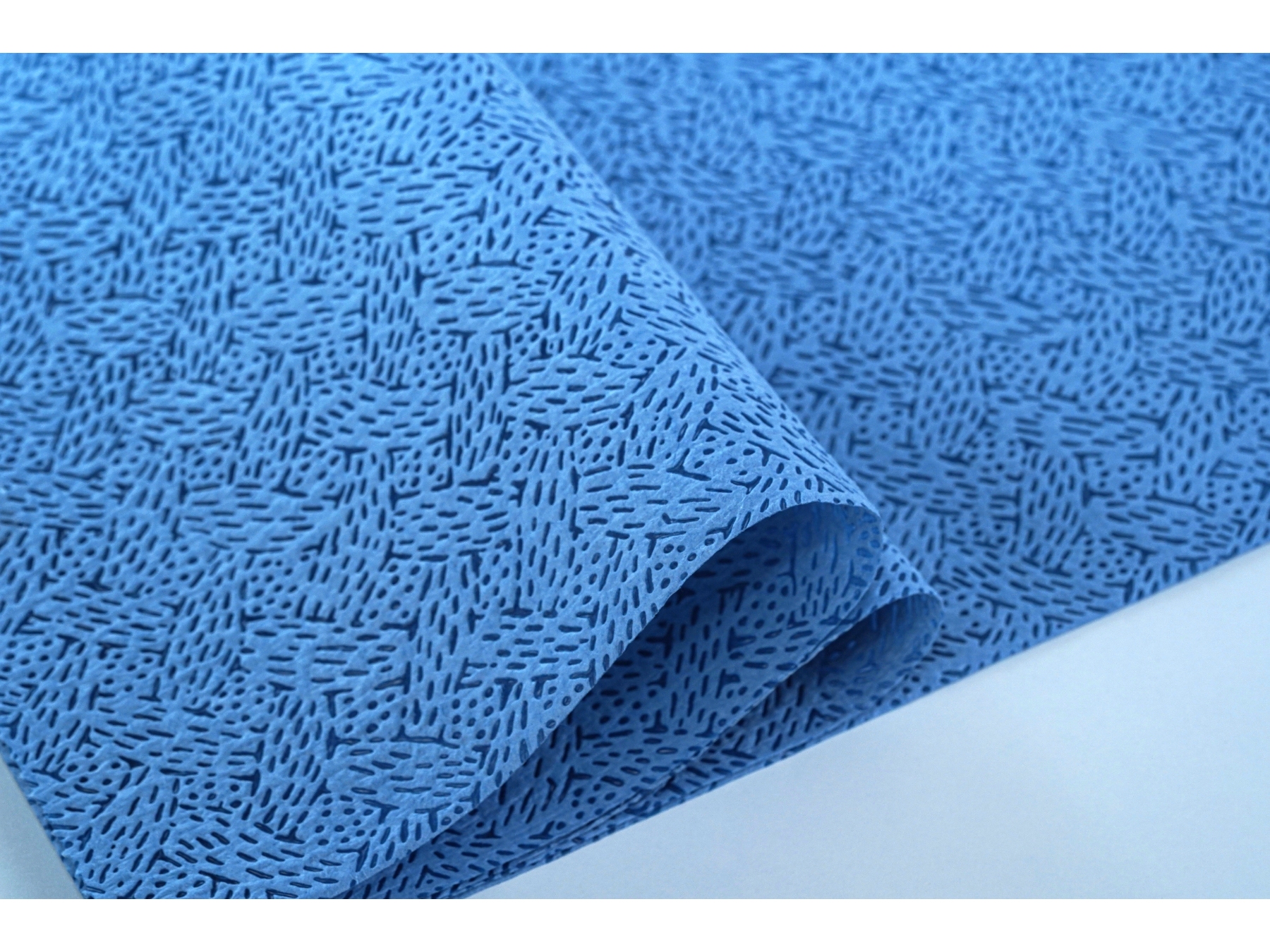
For heavy grease and oil removal, cellulose/polyester blends are generally the best choice. Cellulose provides superior liquid absorption, while polyester adds structural strength so the wipe does not tear during aggressive wiping. The W3501 wipe uses a cellulose/polyester blend at 80 GSM with a mesh knit pattern, which balances cleaning friction with durability. If you need a lighter option for dust or fingerprint removal, you can
browse the full range of wiping cloths to compare material types across categories.
How many times can you reuse a surface prep wipe?
It depends on the contamination level and the wipe's construction. A quality heavy duty wipe with high tensile and wear resistance can handle multiple cleaning passes on a single surface before disposal. The practical limit is when the wipe becomes visibly saturated — at that point it redistributes contaminants rather than absorbing them. For facilities running high volumes, reusable wipes significantly lower per-unit cleaning costs compared to single-use alternatives.
What GSM should surface preparation wipes be?
For heavy duty applications, look for wipes in the 70–90 GSM range. GSM (grams per square meter) measures wipe density — a higher GSM means thicker material, better absorption, and longer life under friction. Wipes below 60 GSM are better suited for light dusting or final-stage polishing rather than aggressive contamination removal. The 80 GSM weight used in the
W3501 heavy duty wipe hits a sweet spot for most industrial prep work.
Can I use regular shop towels instead of prep wipes?
You can, but you will likely get poor results. Regular shop towels tend to redistribute oil rather than trap it, giving a false sense of cleanliness. Purpose-built prep wipes feature surface treatments that increase friction and materials engineered for high absorption. The difference becomes obvious in downstream processes — coatings adhere better, fewer defects appear, and rework rates drop. For industries like
automotive and rail maintenance, where coating failure costs thousands per part, the upgrade pays for itself quickly.
What size surface prep wipe do I need?
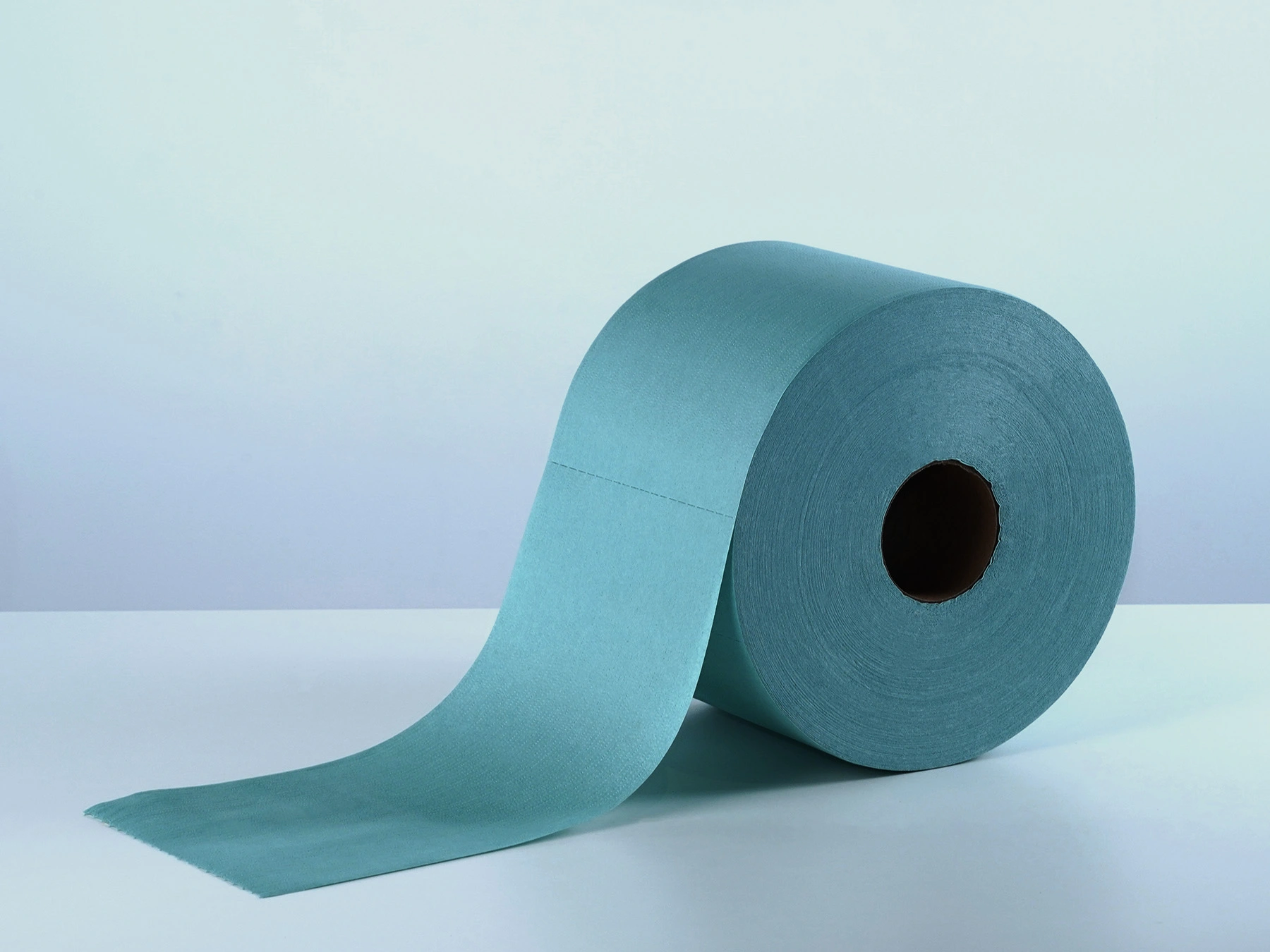
A 30 cm × 35 cm wipe is a versatile size for most industrial tasks. It is large enough to handle flat panels and broad surfaces, but still manageable for detail work around edges and joints. The quarter-fold format lets technicians unfold a fresh section as each surface gets contaminated, extending the usable life of a single sheet. Smaller wipes force constant replacement; oversized ones waste material.
What industries rely on surface preparation wipes?
Surface prep wipes show up across a wide range of industries. Automotive manufacturers use them before painting and sealing. Rail maintenance depots prep bogie components and structural members before refurbishment coating. Bearing and gear producers clean parts after machining to prevent contamination in assembly. Screen printers and mold processors use them to ensure ink adhesion and defect-free production cycles. You can read more about
industry-specific cleaning applications on the WIPESTAR industries page.
How should I store unused surface prep wipes?
Keep the packaging sealed when not in use. Open pouches of wipes can accumulate ambient dust and moisture, which defeats the purpose of using a clean prep wipe. Store boxes in a clean, dry area away from direct sunlight. In busy production environments, it is worth designating a specific storage spot rather than leaving wipes scattered across workstations.
Do surface preparation wipes leave fibers on the surface?
Quality prep wipes should not shed fibers. The knit construction used in products like the W3501 is specifically designed to avoid linting, which is critical in applications like bearing assembly, precision machining, and cleanroom environments where a single loose fiber can cause product failure. If fiber contamination is a concern in your application, always verify the wipe's lint rating before committing to bulk orders.
Where can I buy heavy duty surface preparation wipes?
You can
view the W3501 product page for specifications and request a quote directly. WIPESTAR also offers free samples so you can test the wipe on your actual surfaces before placing a bulk order. To compare options across categories — including cleanroom wipers, multi-purpose wipes, and oil absorbent cloths — visit the
full wiping cloths catalog.