

Anyone who has spent time on a factory floor knows the frustration. You wipe down a surface, think it is clean, and then the paint does not adhere. Or the coating peels within weeks. Nine times out of ten, the problem is not the paint or the adhesive — it is the prep.
Surface preparation sounds boring. It is anything but. In industries like automotive manufacturing, rail transport, and precision machining, the quality of your surface prep directly affects product durability, safety, and rework costs. And the tool you choose for that prep matters more than most people realize.
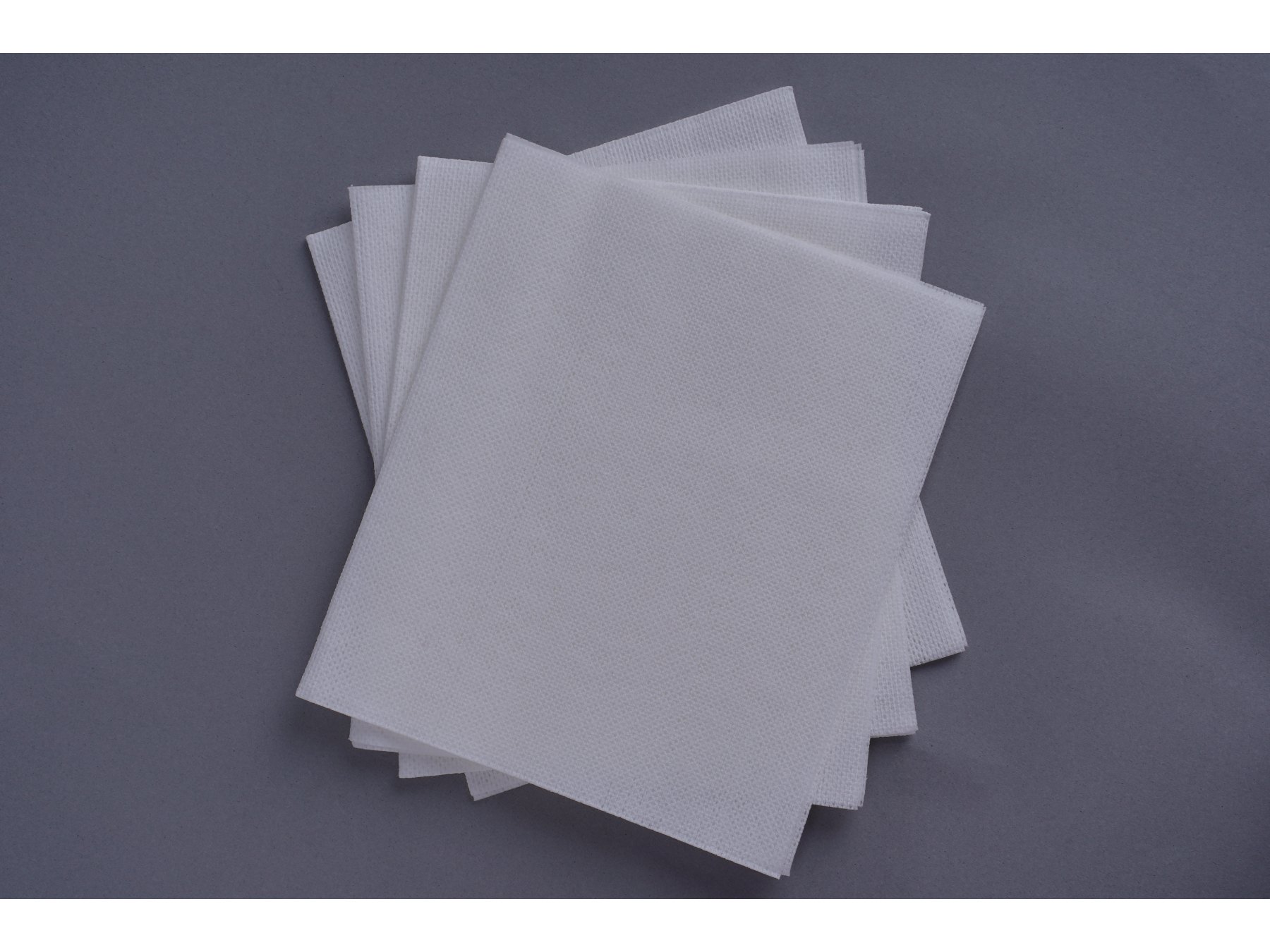
This guide breaks down what heavy duty surface preparation wipes actually do, where they fit in real-world workflows, and how to pick the right one for your application.

Why Surface Preparation Is the Step Nobody Wants to Talk About
Here is a dirty secret in manufacturing: most quality failures trace back to surface contamination. Not faulty materials. Not bad equipment. Contamination that someone thought they had cleaned up but actually just smeared around.
Grease, hydraulic fluid, machining oil, fingerprint residue — these invisible films destroy adhesion. Whether you are applying a protective coating on rail components or prepping a surface for screen printing, if the substrate is not genuinely clean, downstream processes suffer.
The challenge is that standard cleaning rags are not built for this job. A regular shop towel might look clean after a wipe, but it often redistributes oil rather than absorbing it. That is where purpose-built wiping cloths designed for surface preparation make a measurable difference.
What Makes a Surface Prep Wipe “Heavy Duty”?
Not all prep wipes are created equal. The term “heavy duty” gets thrown around loosely, but in practice it should mean a few specific things:
High Friction Surface Treatment
The best heavy duty wipes feature a specially treated surface that increases friction against the workpiece. This is not just about scrubbing harder — it is about mechanically breaking the bond between contaminants and the substrate without scratching or damaging the surface underneath.
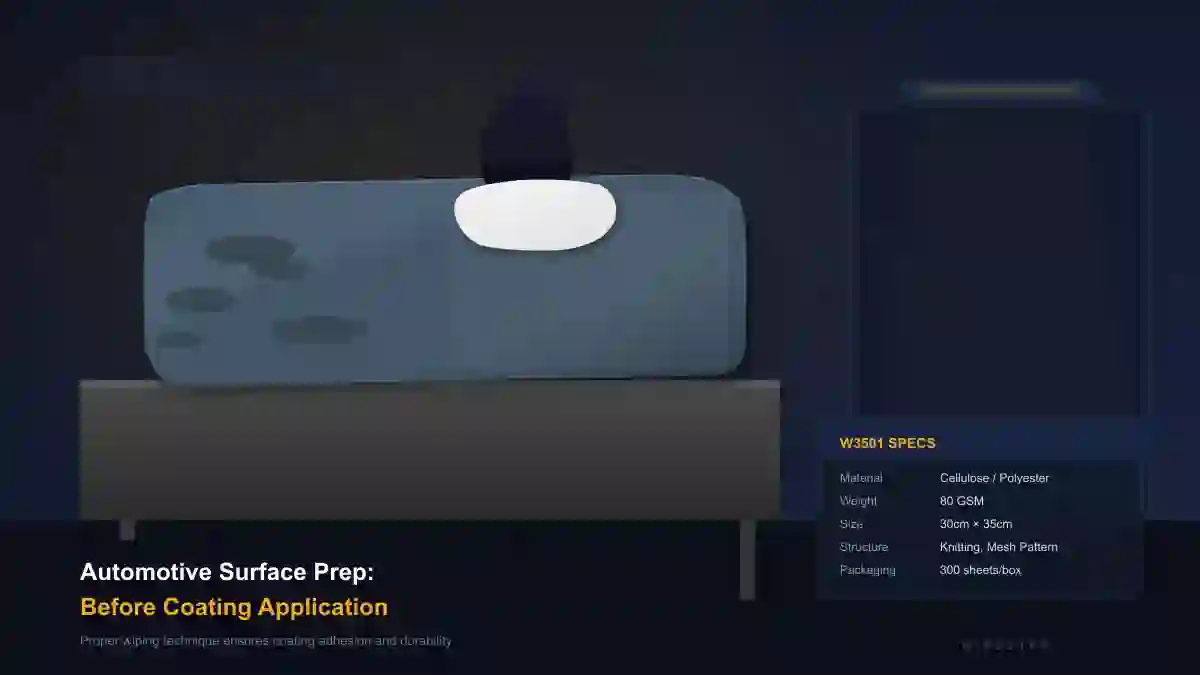
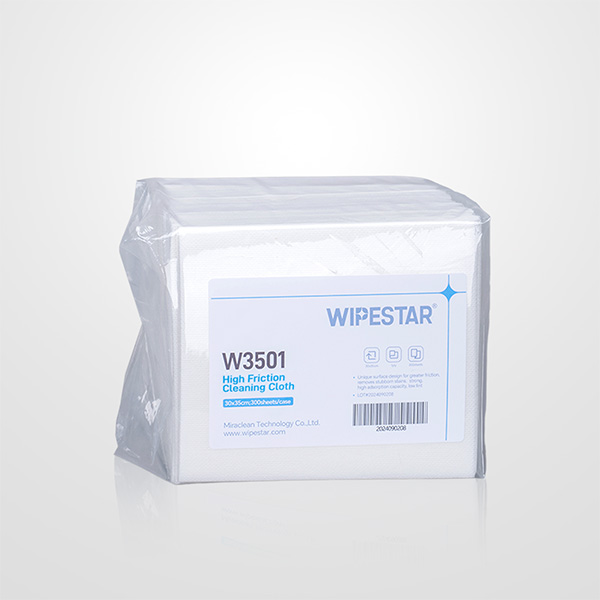
The W3501 wipe, for example, uses a mesh-pattern knit structure with an enhanced surface treatment that grabs and lifts stubborn grease and oil deposits. The texture does the work so your technicians do not have to apply excessive pressure.
Superior Absorption Capacity
A wipe that pushes oil around is worse than useless — it gives a false sense of cleanliness. Heavy duty prep wipes need to trap and hold contaminants. The cellulose/polyester blend used in quality industrial wipes offers significantly higher absorption than generic rags. Cellulose pulls in liquids while polyester provides structural integrity, so the wipe does not fall apart mid-task.
Tensile and Wear Resistance
Surface prep is rough work. Wipes snag on edges, get dragged across burrs, and are used under pressure. A wipe that tears after two strokes is a waste of money. Look for products with documented tensile strength and abrasion resistance — these are not marketing buzzwords, they directly determine how many surfaces a single wipe can handle before replacement.
Industries That Depend on Proper Surface Prep
Surface preparation wipes are not a niche product. They show up across a wide range of industries, each with its own contamination challenges and cleanliness standards.
Automotive Production and Maintenance
Body panels, engine components, interior trim — automotive manufacturing involves dozens of processes where surface cleanliness is critical. Before painting, bonding, or sealing, every surface must be free of machining oils and handling residue. In maintenance settings, technicians use prep wipes to clean mating surfaces before applying gasket sealant or performing bodywork repairs.
Rail Transportation Equipment
Rail components operate under extreme conditions: vibration, temperature swings, constant moisture exposure. Coatings and adhesives on rail equipment must withstand decades of punishment, and that starts with proper surface prep. The industries served by specialized cleaning solutions include rail maintenance depots where heavy duty wipes are used to prep bogie components, brake housings, and structural members before refurbishment coating is applied.
Bearing and Gear Manufacturing
Precision bearings and gear transmission components leave the machining process covered in cutting fluid and metal particulate. Before assembly, quality inspection, or anti-corrosion treatment, these parts need thorough cleaning. Heavy duty wipes that do not shed fibers are essential here — a single loose fiber inside a bearing assembly can cause premature failure.
Screen Printing and Mold Processing
In screen printing, any residue on the substrate affects ink adhesion and print clarity. Mold cleaning is equally demanding — leftover release agent or plastic residue causes defects in the next production cycle. Prep wipes with high friction and strong absorption speed up these cleaning cycles without introducing new contamination.
How to Choose the Right Prep Wipe for Your Application
With multiple options on the market, selecting the right wipe comes down to matching the product to your specific use case. Here are the key factors to evaluate:
Material Composition
The two dominant material categories for industrial prep wipes are cellulose/polyester blends and wood pulp/polypropylene blends. Cellulose/polyester wipes tend to offer better oil absorption and a more aggressive cleaning texture. Wood pulp/polypropylene options are lighter and more economical for high-volume, lower-contamination tasks.
For heavy grease removal and surface prep before coating, cellulose/polyester is generally the better choice. The W3501 wipe uses this blend at 80 GSM, which provides a noticeably thicker, more substantial feel compared to lighter-weight alternatives.
Weight and Thickness
Wipe weight is measured in GSM (grams per square meter). A heavier wipe absorbs more, lasts longer under friction, and feels more substantial during use. For heavy duty surface preparation, look for wipes in the 70–90 GSM range. Anything below 60 GSM is better suited for light dusting or final-stage wiping rather than aggressive contamination removal.
Size and Fold Format
A 30 cm × 35 cm wipe folded in quarters gives you enough material to handle large flat surfaces while still being manageable for detail work. Smaller wipes force constant replacement; oversized wipes waste material. The quarter-fold format also lets technicians unfold a fresh surface as each section gets contaminated, extending the usable life of a single sheet.
Reusability
This is where cost calculations get interesting. A wipe rated for reuse might cost more per sheet, but if it handles three to five cleaning passes before disposal, the per-unit cleaning cost drops significantly. For facilities running thousands of prep operations per week, reusability is not a luxury — it is a line item that directly impacts the budget.
Best Practices for Surface Preparation Wiping
Having the right wipe is half the battle. Using it correctly is the other half. A few practical tips from the shop floor:
Wipe in One Direction
Back-and-forth scrubbing redistributes contamination. A single-direction stroke lifts contaminants off the surface and into the wipe. When the wipe’s working surface is saturated, flip it or unfold to a clean section.
Do Not Overuse a Single Wipe
Even reusable wipes have a limit. Once a wipe is visibly saturated with oil or debris, it is no longer cleaning — it is transferring. Train operators to recognize when a wipe has reached its capacity and replace it promptly.
Store Wipes Properly
Open pouches of wipes can accumulate ambient dust and moisture if left exposed. Keep packaging sealed when not in use, and store boxes in a clean, dry area. This sounds obvious but gets overlooked in busy production environments.
Match the Wipe to the Contaminant
Heavy grease and cutting fluid need a high-friction, high-absorption wipe. Light dust or fingerprint residue can be handled with a softer, less aggressive option. Using an overly aggressive wipe on a delicate surface is just as problematic as using a weak wipe on a contaminated one. If you are unsure which product fits your workflow, you can browse the full range of wiping cloths to compare material types, sizes, and specifications across categories.
The Cost of Getting It Wrong
It is tempting to treat surface prep as a minor consumable expense. Buy whatever is cheapest, get the job done, move on. But the downstream cost of inadequate surface preparation is anything but minor.
A failed coating adhesion test on a rail component means stripping and re-coating — easily a four-figure expense per part. Paint defects in automotive production trigger rework loops that slow the entire line. Contamination in a bearing assembly leads to warranty claims and reputation damage.
The wipe itself is a fraction of a percent of these costs. Investing in the right heavy duty surface preparation wipes is one of the cheapest quality insurance policies a facility can buy.
Final Thoughts
Surface preparation will never be the glamorous part of manufacturing. Nobody puts “excellent wiping technique” on a product spec sheet. But the reality is that every coating, every bond, every seal depends on what happens in those few seconds before application.
Choosing a purpose-built heavy duty wipe over a generic rag is a small operational decision with outsized impact. Whether you are running an automotive paint line, maintaining rail rolling stock, or machining precision components, the right prep wipe saves time, reduces rework, and protects the quality of everything that comes after.
For facility managers and procurement teams evaluating options, the practical approach is straightforward: assess your contamination level, match it to the right material and weight specification, and test a few products on your actual surfaces before committing to bulk orders. The difference shows up in the finish — every time.
Tags: 80 GSM wiping cloth · automotive surface cleaning · bearing cleaning wipes · cellulose polyester wipes · factory floor cleaning · grease removal wipes · heavy duty surface preparation wipes · high friction wiping cloths · industrial surface prep wipes · industrial wiping cloths · manufacturing cleaning wipes · metal surface cleaning wipes · mold cleaning wipes · oil absorbent wipes · pre-coating surface preparation · rail maintenance cleaning · reusable industrial wipes · screen printing prep wipes · surface preparation for coating · wipestar surface prep wipes



Comments & Feedback