Language

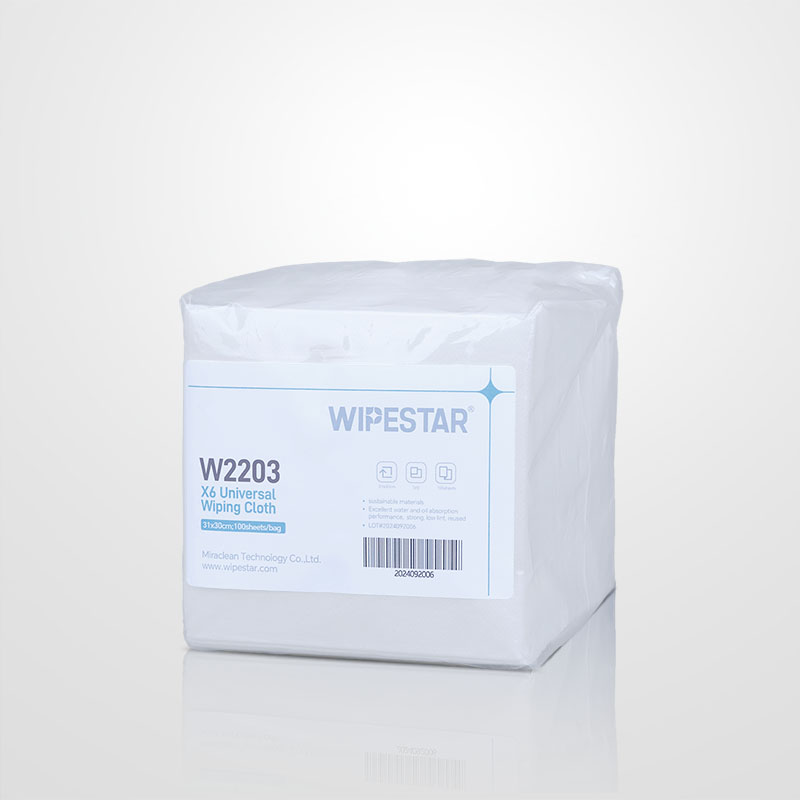
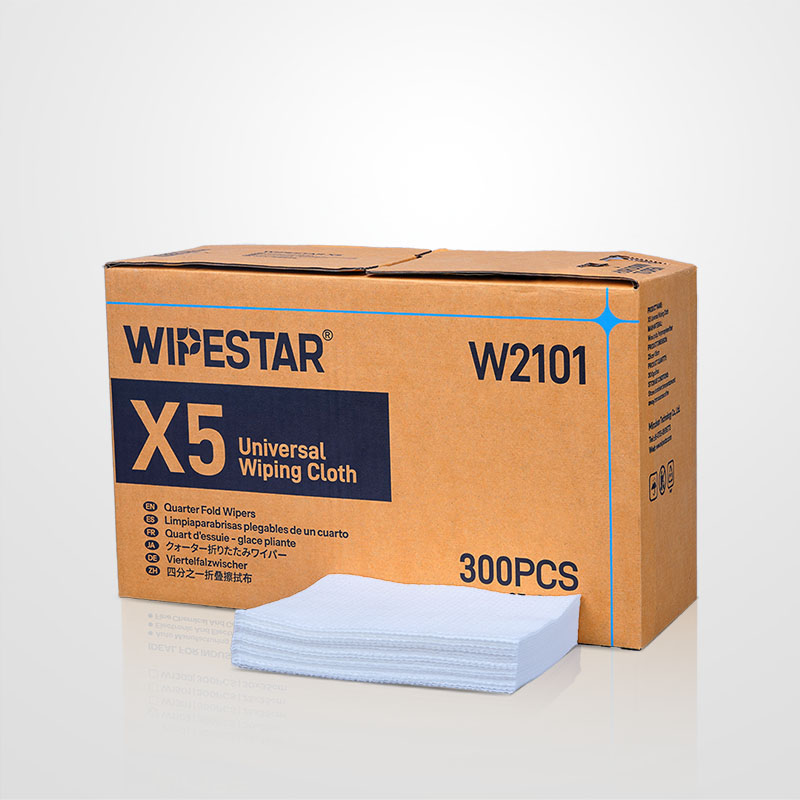
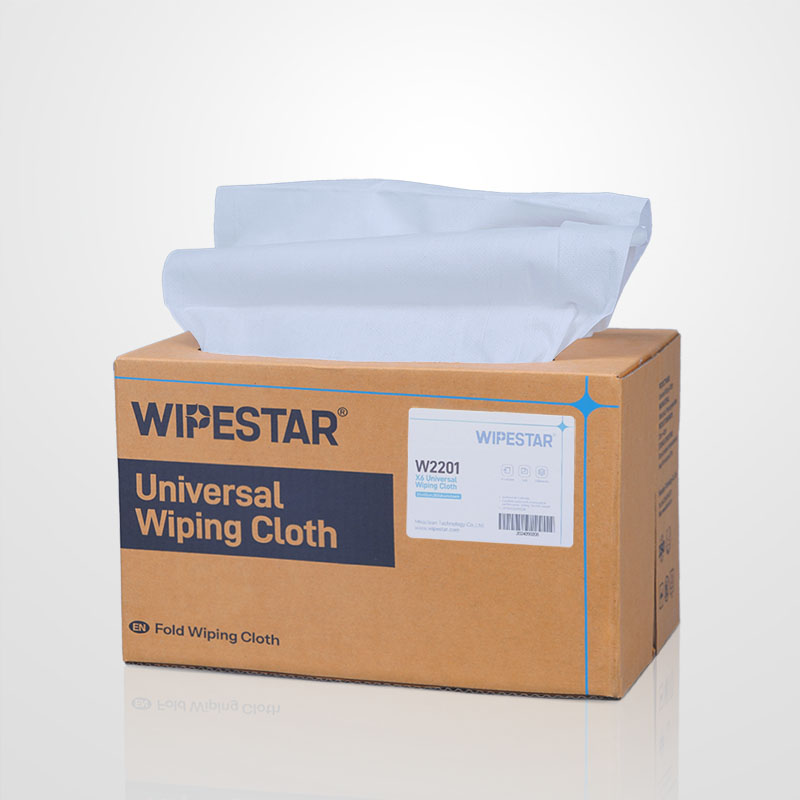
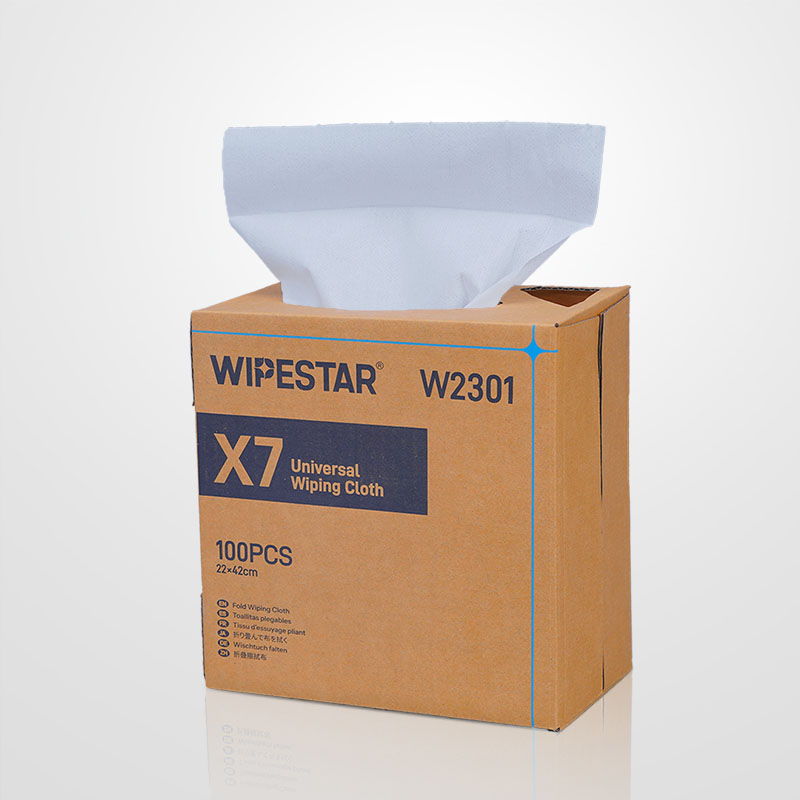
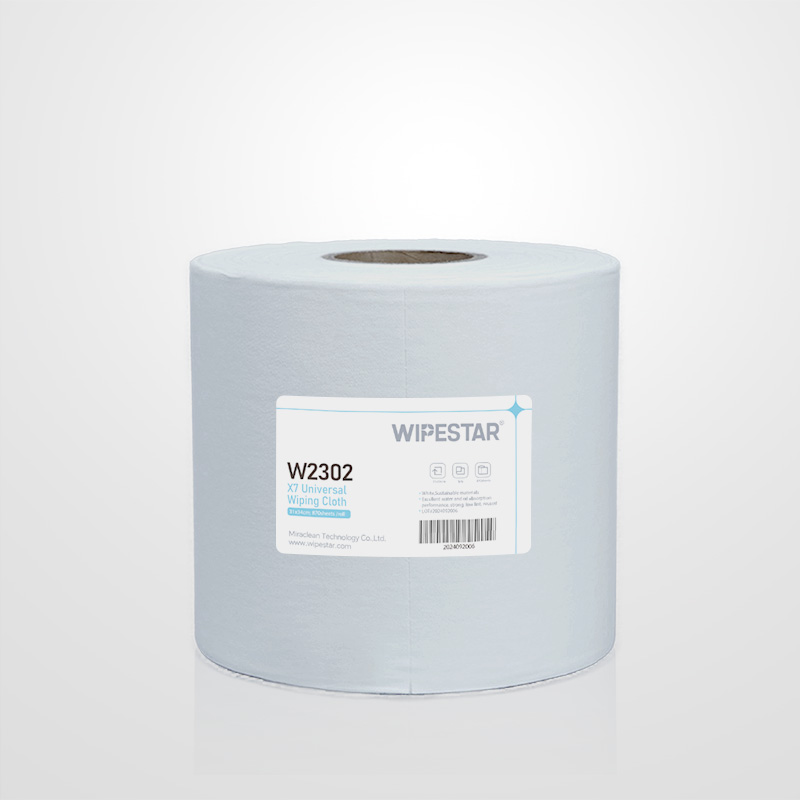
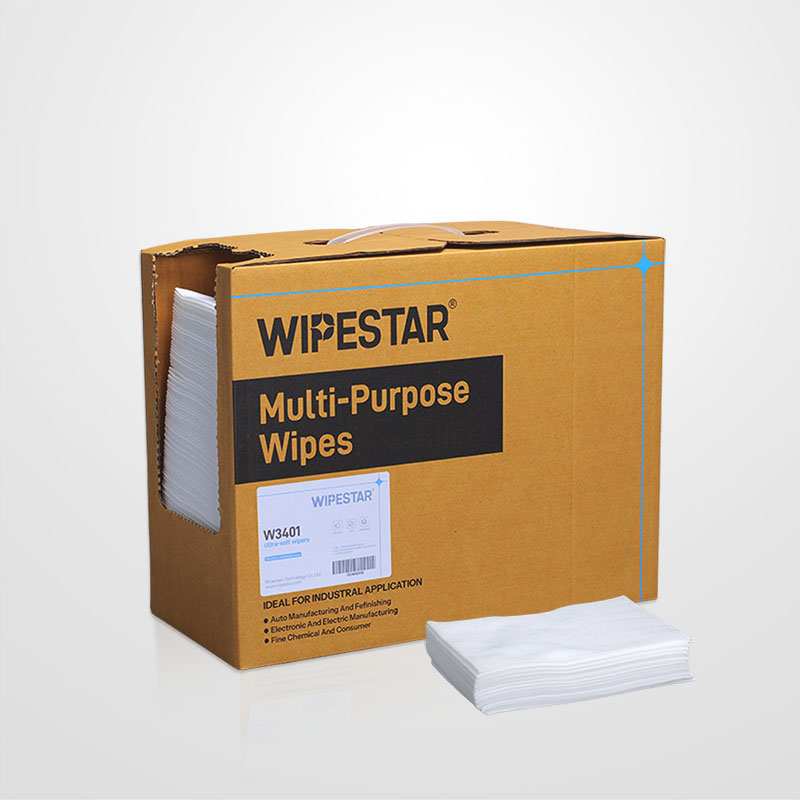
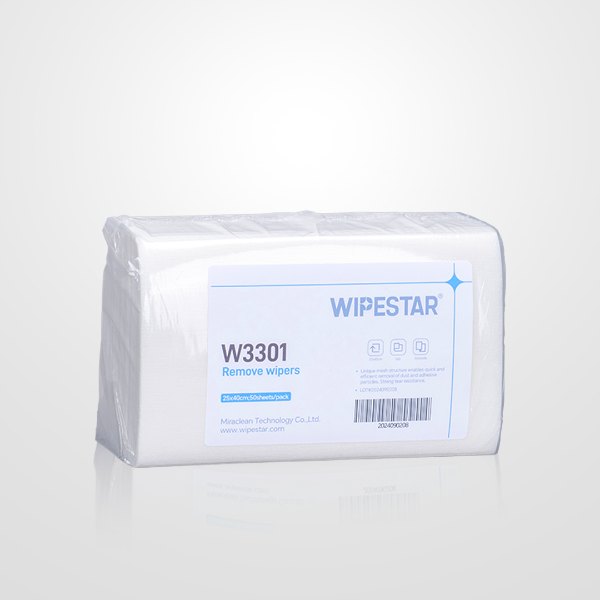
<p style="text-align: center;"><span style="font-size: 16px;"><img src="https://img.wipestar.com/uploads/allimg/20250212/1-2502121G454411.webp" title="Doctor in covid hospital cleaning surfaces and disinfecting working space" alt="Doctor in covid hospital cleaning surfaces and disinfecting working space" width="600" height="400"/></span></p><p><span style="font-size: 16px;">Environmental hygiene in healthcare facilities is significantly correlated with hospital-acquired infections. The environmental surface has been described as a patient's "second skin," highlighting the importance of surface cleanliness in infection prevention. Surface disinfection can be performed through wiping or spraying methods. For high-touch environmental surfaces, wiping is the primary method, as it utilizes mechanical action to effectively remove dirt and pathogens from surfaces.</span></p><p><span style="font-size: 16px;">What are the common mistakes in disinfection wiping?</span></p><p><br/></p><h2><span style="font-size: 18px;">Mistake 1</span></h2><p><span style="font-size: 16px;">Using a single cloth to wipe multiple areas or using the same side of a cloth repeatedly to wipe multiple surfaces compromises disinfection effectiveness. The correct wiping method involves "clean unit" operation, using "S" or "Z" shaped motions from side to side or up and down. The wiping tool should be immediately replaced when it becomes contaminated or when no disinfectant residue remains on the surface.</span></p><p style="text-align: center;"><img src="https://img.wipestar.com/uploads/allimg/20250213/1-250213095623T2.webp" title="Figure 1. Correct cleaning motion" alt="Figure 1. Correct cleaning motion" width="700" height="394"/></p><p style="text-align: center;"><em><span style="font-size: 14px;">Figure 1. Correct cleaning motion</span></em></p><h2><span style="font-size: 18px;">Mistake 2</span></h2><p><span style="font-size: 16px;">The "repeated dipping" phenomenon occurs when contaminated cloths are repeatedly dipped into clean water/cleaning solution/disinfectant during the wiping process. Once used, the cloth becomes contaminated; repeated dipping will contaminate the cleaning solution/disinfectant, reducing or nullifying its effectiveness and potentially causing cross-contamination. When wiping, prepare cleaning cloths by pre-soaking them in disinfectant and wringing them out. Change each cloth after use and collect them for centralized cleaning and disinfection.</span></p><p><br/></p><h2><span style="font-size: 18px;">Mistake 3</span></h2><p><span style="font-size: 16px;">Studies have shown that cleaning tools stored in damp conditions become breeding grounds for microorganisms, which can spread during wiping. Using contaminated cloths not only contaminates the operator's hands but also causes secondary contamination of equipment and environmental surfaces. After use, cleaning tools should first be washed clean, then soaked in 250-500mg/L chlorine-containing disinfectant for 30 minutes, rinsed to remove disinfectant residue, and hung to dry before next use.</span></p><p><br/></p><h2><span style="font-size: 18px;">Mistake 4</span></h2><p><span style="font-size: 16px;">The choice of disinfectant depends on microbial resistance. Disinfectants should be selected based on pathogen characteristics, while considering patient factors and compatibility between surfaces and disinfectants.</span></p><p><br/></p><h2><span style="font-size: 18px;">Sterilization Protocol</span></h2><p><span style="font-size: 16px;">Eliminates all microorganisms including bacterial spores, achieving sterility assurance level. </span></p><p><span style="font-size: 16px;">From weakest to strongest resistance (No.1<No.7) :</span></p><ol style="list-style-type: decimal;"><li><p><span style="font-size: 16px;">Lipophilic viruses (HIV, HBV, HCV, COVID-19 virus)</span></p></li><li><p><span style="font-size: 16px;">Vegetative bacteria</span></p></li><li><p><span style="font-size: 16px;">Fungi</span></p></li><li><p><span style="font-size: 16px;">Hydrophilic viruses (Polio, Hepatitis A, Hand-foot-mouth disease)</span></p></li><li><p><span style="font-size: 16px;">Mycobacteria</span></p></li><li><p><span style="font-size: 16px;">Bacterial spores</span></p></li><li><p><span style="font-size: 16px;">Prions</span></p></li></ol><p><span style="font-size: 16px;">Low-level disinfection: Eliminates vegetative bacteria and lipophilic viruses. Includes mechanical methods like ventilation and rinsing. Examples: quaternary ammonium compounds, chlorhexidine.</span></p><p><span style="font-size: 16px;">Intermediate-level disinfection: Eliminates all pathogens except bacterial spores, including mycobacteria. Examples: iodine compounds, alcohols and chlorhexidine compounds, alcohol and quaternary ammonium compound combinations.</span></p><p><span style="font-size: 16px;">High-level disinfection: Eliminates all vegetative bacteria and most bacterial spores. Examples: chlorine compounds, chlorine dioxide, ortho-phthalaldehyde, peracetic acid, ozone, tincture of iodine.</span></p><p><br/></p><h3><span style="font-size: 16px; color: rgb(0, 112, 192);">Sterilization methods</span></h3><p><span style="font-size: 16px;">Physical: Heat sterilization, radiation sterilization </span></p><p><span style="font-size: 16px;">Chemical: Ethylene oxide, hydrogen peroxide, formaldehyde, glutaraldehyde, peracetic acid</span></p><p><br/></p><h3><span style="font-size: 16px; color: rgb(0, 112, 192);">Wiping products</span></h3><p><span style="font-size: 16px;">Generally <a href="https://www.wipestar.com/?m=home&c=Lists&a=index&tid=6&catogories=Universal+Wiping+Cloth&ZXljbXM=1#cpzx" target="_self">industrial</a> or <a href="https://www.wipestar.com/?m=home&c=Lists&a=index&tid=6&catogories=Cleanroom+Wipers&ZXljbXM=1#cpzx" target="_self">cleanroom wipes</a> made of knitted or non-woven materials, impregnated with disinfectant or disinfectant plus surfactant, releasing disinfecting agents during wiping. These <a href="https://www.wipestar.com/products-prewetted-wipes/" target="_self">disinfectant wipes</a> achieve cleaning and disinfection in one step, are disposable to prevent cross-contamination, and can be conveniently placed beside beds or on treatment carts for easy access.</span></p><p><br/></p>
Tags:No tag
RELATED RESOURCES
Sub-fine Cleanroom Wipes: How ...
Asia Dirtless Cloth: Cleaning Innovation Solutions...
More
Pharmaceutical Equipment Clean...
Pharmaceutical Equipment Cleaning Validation: TOC ...
More
Industrial wipes: technologica...
In the fields of industrial equipment maintenance ...
More
4-inch dust-free cloth micron-...
In the fields of precision manufacturing and micro...
More
The Cleaning Revolution of Pow...
How Industrial Wipes Revolve ManufacturingIn the e...
More
Precision manufacturing worksh...
Analysis on upgrading equipment cleaning standards...
More
Related Products
Room 101, Building 1, Angeer Factory, No.4, Hetian Road, Shatian Community, Kengzi Street, Pingshan District, Shenzhen, Guangdong, P.R. China 518122
info@wipestar.com
+86-755-89616775
+86-755-89616773
Related Products
RELATED RESOURCES