Language

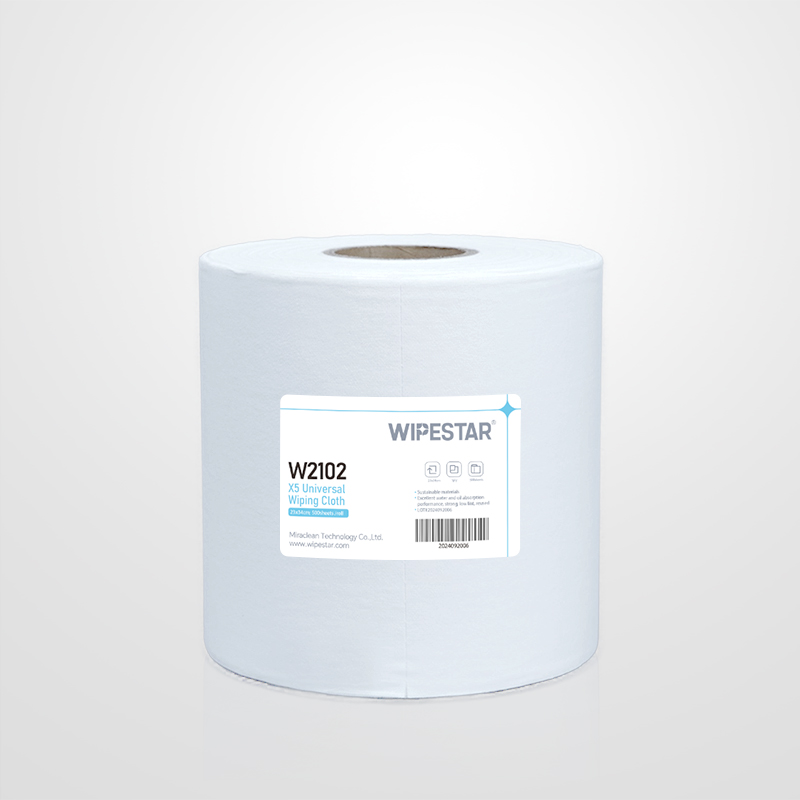
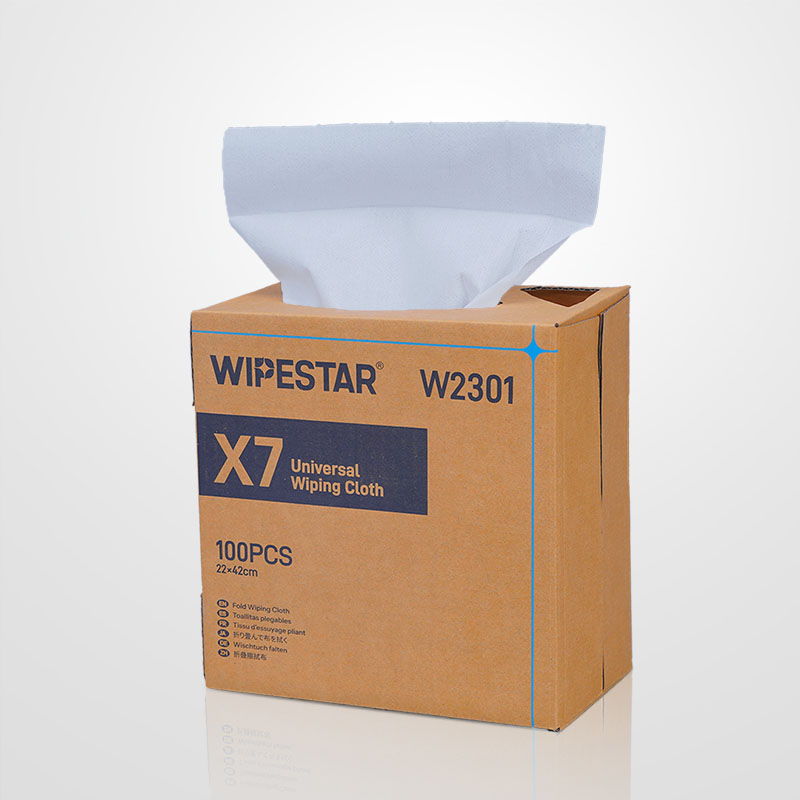
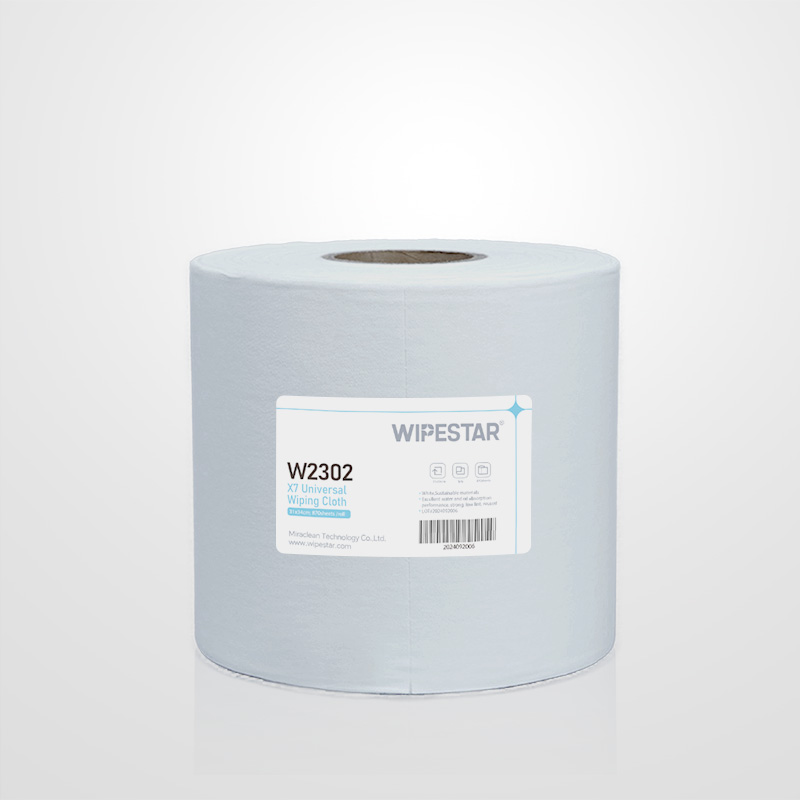
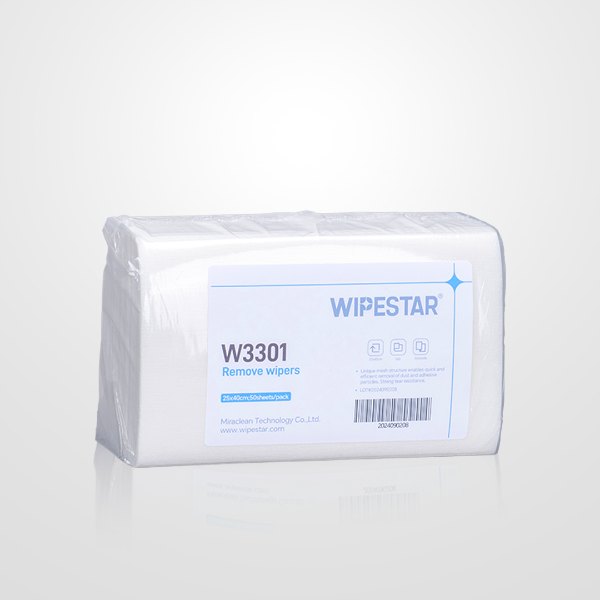
<p style="text-align: center;"><em><img src="https://img.wipestar.com/uploads/allimg/20240930/1-2409301G321111.jpg" title="Laboratory technicians working in the lab" alt="Laboratory technicians working in the lab" width="618" height="412"/></em></p><p style="text-align: center;"><em><span style="font-size: 16px;">Figure 1. A cleanroom with personnel wearing special cleanroom clothing</span></em></p><p><em><span style="font-size: 16px;"><br/></span></em></p><h2><span style="font-size: 20px;">I. What's a Cleanroom, Then? </span></h2><p><span style="font-size: 18px;">As the name hints, a cleanroom is indeed a spick-and-span space. However, it has a rather posh definition in the ISO 14644-1 standard: </span></p><p><span style="font-size: 18px;">A room in which the concentration of airborne particles is controlled, and which is constructed and used in a manner to minimise the introduction, generation, and retention of particles inside the room and in which other relevant parameters, e.g. temperature, humidity, and pressure, are controlled as necessary.</span></p><p><span style="font-size: 18px;">First off, pumping in vast amounts of air filtered through high-efficiency filters—think of it as a fancy air freshener for cleanliness. This air helps to: </span></p><ol style="list-style-type: decimal;"><li><p><span style="font-size: 18px;">Dilute and whisk away particles and bacteria from staff and machinery </span></p></li><li><p><span style="font-size: 18px;">Keep the room under pressure, ensuring no filthy air sneaks in uninvited </span></p></li></ol><p><span style="font-size: 18px;">Next, these rooms are crafted from materials that are as clean as a whistle and easy to tidy up. And let's not forget, the folks inside wear full-body suits—after all, we can't have them shedding particles like confetti at a wedding! Cleanrooms also keep an eye on temperature, humidity, noise, lighting, and vibration—though these aren't exactly their exclusive domain. </span></p><p><span style="font-size: 18px;">Cleanrooms are a modern marvel. While their roots can be traced back over a century to infection control in hospitals, the industrial need for pristine environments is a contemporary affair. Why the fuss? Because humans and machines can churn out millions of particles, and regular building materials are prone to fall apart like a biscuit in tea. Cleanrooms keep this chaos in check, offering a tidy environment for manufacturing. </span></p><p><br/></p><h2><span style="font-size: 20px;">II. Why We Need Cleanrooms</span><span style="font-size: 18px;"> </span></h2><p><span style="font-size: 18px;">Cleanrooms aren't just for show; they have a variety of uses. Take a gander at Table 1 for some current cleanroom creations. </span></p><p style="text-align: center;"><span style="font-size: 16px;"><em>Table 1. Applications of Cleanrooms</em></span></p><div><table class="ace-table"><colgroup><col width="144"/><col width="478"/></colgroup><thead><tr style="height:39px;" class="firstRow"><th colspan="1" rowspan="1" style="border-style: solid; border-color: gainsboro; font-size: 10pt; padding: 8px; vertical-align: top; font-weight: 500; background-color: rgb(242, 243, 245); text-align: left;"><div class="ace-line ace-line old-record-id-HGM2dbdmFoccvvx4ahJcWsEWnKf"><span style="font-size: 14px;">Industry</span></div></th><th colspan="1" rowspan="1" style="border-style: solid; border-color: gainsboro; font-size: 10pt; padding: 8px; vertical-align: top; font-weight: 500; background-color: rgb(242, 243, 245); text-align: left;" width="407"><div class="ace-line ace-line old-record-id-Z8badeCgfocohsx0EMycdPEpn1c"><span style="font-size: 14px;">Products</span></div></th></tr></thead><tbody><tr style="height:39px;"><td colspan="1" rowspan="1" style="border-style: solid; border-color: gainsboro; font-size: 10pt; padding: 8px; vertical-align: top; border-width: 1px;"><div class="ace-line ace-line old-record-id-Hpozddm4go5kbAxeyTdcH9Ygnmg"><span style="color: rgb(36, 91, 219); font-size: 14px;">Electronics</span></div></td><td colspan="1" rowspan="1" style="border-style: solid; border-color: gainsboro; font-size: 10pt; padding: 8px; vertical-align: top; border-width: 1px;" width="407"><div class="ace-line ace-line old-record-id-Di2AdlhAmoFmOoxFbLpctsY6n9e"><span style="color: rgb(36, 91, 219); font-size: 14px;">Computers, TV-tubes, flat sereens</span></div></td></tr><tr style="height:39px;"><td colspan="1" rowspan="1" style="border-style: solid; border-color: gainsboro; font-size: 10pt; padding: 8px; vertical-align: top; border-width: 1px;"><div class="ace-line ace-line old-record-id-Fah4dKCK6olZevx37RscOBvJnVh"><span style="color: rgb(36, 91, 219); font-size: 14px;">Semiconductor</span></div></td><td colspan="1" rowspan="1" style="border-style: solid; border-color: gainsboro; font-size: 10pt; padding: 8px; vertical-align: top; border-width: 1px; word-break: break-all;" width="407"><div class="ace-line ace-line old-record-id-NQtVdhoVyop6ASxamZLcZpWgn0f"><span style="color: rgb(36, 91, 219); font-size: 14px;">Production of integrated circuits used in computer memory</span></div></td></tr><tr style="height:39px;"><td colspan="1" rowspan="1" style="border-style: solid; border-color: gainsboro; font-size: 10pt; padding: 8px; vertical-align: top; border-width: 1px;"><div class="ace-line ace-line old-record-id-IMImdHUFooVchVxBZXAc0eEgnLb"><span style="color: rgb(36, 91, 219); font-size: 14px;">Micromechanics</span></div></td><td colspan="1" rowspan="1" style="border-style: solid; border-color: gainsboro; font-size: 10pt; padding: 8px; vertical-align: top; border-width: 1px;" width="407"><div class="ace-line ace-line old-record-id-NjmGdfevzoBSloxxEyScE537ngf"><span style="color: rgb(36, 91, 219); font-size: 14px;">Gyroscopes, miniature bearings, compact-disc players</span></div></td></tr><tr style="height:39px;"><td colspan="1" rowspan="1" style="border-style: solid; border-color: gainsboro; font-size: 10pt; padding: 8px; vertical-align: top; border-width: 1px;"><div class="ace-line ace-line old-record-id-J5PNdFbj1oTLi9xX5excgShnni8"><span style="color: rgb(36, 91, 219); font-size: 14px;">Optics</span></div></td><td colspan="1" rowspan="1" style="border-style: solid; border-color: gainsboro; font-size: 10pt; padding: 8px; vertical-align: top; border-width: 1px;" width="407"><div class="ace-line ace-line old-record-id-VQeSdU3NXoyEA5xLf8wchbkIngh"><span style="color: rgb(36, 91, 219); font-size: 14px;">Lenses, photographic film, laser equipment</span></div></td></tr><tr style="height:39px;"><td colspan="1" rowspan="1" style="border-style: solid; border-color: gainsboro; font-size: 10pt; padding: 8px; vertical-align: top; border-width: 1px;"><div class="ace-line ace-line old-record-id-EyR5dXw5MoT8zxxWRl3cZE2Ln8b"><span style="color: rgb(216, 57, 49); font-size: 14px;">Biotechnology</span></div></td><td colspan="1" rowspan="1" style="border-style: solid; border-color: gainsboro; font-size: 10pt; padding: 8px; vertical-align: top; border-width: 1px;" width="407"><div class="ace-line ace-line old-record-id-Ws4udGEAUomnJmxUIFJclHQ3nVh"><span style="color: rgb(216, 57, 49); font-size: 14px;">Antibiotic production, genetic engineering</span></div></td></tr><tr style="height:39px;"><td colspan="1" rowspan="1" style="border-style: solid; border-color: gainsboro; font-size: 10pt; padding: 8px; vertical-align: top; border-width: 1px;"><div class="ace-line ace-line old-record-id-VCnEddx59oxKnFxYZdEcg0BMnHf"><span style="color: rgb(216, 57, 49); font-size: 14px;">Pharmacy</span></div></td><td colspan="1" rowspan="1" style="border-style: solid; border-color: gainsboro; font-size: 10pt; padding: 8px; vertical-align: top; border-width: 1px;" width="407"><div class="ace-line ace-line old-record-id-AZf1dBUIroOw6gx61XKcz4G3n5c"><span style="color: rgb(216, 57, 49); font-size: 14px;">Sterile pharmaceuticals, sterile disposables</span></div></td></tr><tr style="height:39px;"><td colspan="1" rowspan="1" style="border-style: solid; border-color: gainsboro; font-size: 10pt; padding: 8px; vertical-align: top; border-width: 1px;"><div class="ace-line ace-line old-record-id-LLfvdLyp3oqE82xcXiYclz8ynbq"><span style="color: rgb(216, 57, 49); font-size: 14px;">Medical Devices</span></div></td><td colspan="1" rowspan="1" style="border-style: solid; border-color: gainsboro; font-size: 10pt; padding: 8px; vertical-align: top; border-width: 1px;" width="407"><div class="ace-line ace-line old-record-id-A8hLdClPWo6ybNx8kixctyhmnod"><span style="color: rgb(216, 57, 49); font-size: 14px;">Heart valves, cardiac by-pass systems</span></div></td></tr><tr style="height:39px;"><td colspan="1" rowspan="1" style="border-style: solid; border-color: gainsboro; font-size: 10pt; padding: 8px; vertical-align: top; border-width: 1px;"><div class="ace-line ace-line old-record-id-ENO3dYtPxoV14dxbeyPcpk0rnWf"><span style="color: rgb(216, 57, 49); font-size: 14px;">Food and Drink</span></div></td><td colspan="1" rowspan="1" style="border-style: solid; border-color: gainsboro; font-size: 10pt; padding: 8px; vertical-align: top; border-width: 1px;" width="407"><div class="ace-line ace-line old-record-id-EBeLdNfQ4oeg0nxvxW8cGs4mnVf"><span style="color: rgb(216, 57, 49); font-size: 14px;">Brewery production, unsterilized food and drink</span></div></td></tr></tbody></table></div><p><span style="font-size: 18px;"></span></p><p style="text-align: center;"><img src="https://img.wipestar.com/uploads/allimg/20240930/1-240930120103F7.jpg" title="The surface contaminants that may be present on a silicon wafer." alt="The surface contaminants that may be present on a silicon wafer." width="618" height="331"/></p><p style="text-align: center;"><span style="font-size: 16px;"><em>Figure 2. The possible surface contaminants on a silicon wafer</em></span></p><p><span style="font-size: 18px;"></span></p><div><div class="ace-line ace-line old-record-id-QXEQdeLCWo2Esyxg0lJcLpRQnqg"><span style="font-size: 18px;">It may be seen in Table 1 that cleanroom applications can be divided into two. In the blue section of Table 1 are those industries where dust particles are a problem, and their presence, even in sub-micrometre size, may reduce product useful life.</span></div></div><p><span style="font-size: 18px;">Using the semiconductor manufacturing industry as an example, processors used in computers, cars, and other machinery are produced. Figure 2 shows a microscopic image of a particle on a semiconductor. Such particles can cause circuit shorts and damage the semiconductor. To mitigate contamination issues, semiconductors must be manufactured in cleanrooms that meet very high cleanliness standards.</span></p><p><span style="font-size: 18px;">The red section of Table 1 highlights manufacturers requiring microbial control, as the growth of microorganisms in products (or in hospital patients) can lead to human infection. In the medical field, hospitals use cleanroom technology in operating rooms to minimise wound infections, as it is essential to prevent microbes or dirt from being injected or infused into patients (see Figure 3).</span></p><p style="text-align: center;"><img src="https://img.wipestar.com/uploads/allimg/20240930/1-24093014032Aa.webp" title="Laminar Air Flow in an Operating Room" alt="Laminar Air Flow in an Operating Room" width="511" height="341"/></p><p style="text-align: center;"><span style="font-size: 16px;"><em>Figure 3. Unidirectional flow system in an operating room</em></span></p><p><span style="font-size: 18px;">Moreover, Table 1 indicates that many of these industries are modern, and this list will undoubtedly continue to expand, driving ongoing demand for cleanrooms.</span></p><p><br/></p><h2><span style="font-size: 20px;">III. Types of Cleanrooms</span></h2><p><span style="font-size: 18px;">Cleanrooms have evolved into two main types, distinguished by their ventilation methods: turbulent airflow cleanrooms and laminar airflow cleanrooms. Turbulent airflow cleanrooms are also known as "non-unidirectional airflow cleanrooms", while laminar airflow cleanrooms are referred to as "unidirectional airflow cleanrooms". Unidirectional airflow cleanrooms use significantly more air than non-unidirectional types, providing higher cleanliness levels.</span></p><p><span style="font-size: 18px;">Figures 4 and 5 illustrate the basic principles of these two main types of cleanrooms. Figure 4 depicts a turbulent airflow cleanroom, which receives clean, filtered air through ceiling-mounted diffusers. This air mixes with the room air and is expelled through outlets at the bottom of the walls to remove airborne contaminants.</span></p><p style="text-align: center;"><img src="https://img.wipestar.com/uploads/allimg/20240930/1-240930152153J9.jpg" title="Turbulently ventilated type of cleanroom" alt="Turbulently ventilated type of cleanroom" width="618" height="464"/></p><p style="text-align: center;"><span style="font-size: 16px;"><em>Figure 4. Turbulently ventilated type of cleanroom</em></span></p><p><span style="font-size: 18px;">Air changes per hour typically equal or exceed 20 times, which is significantly more than in ordinary rooms (like offices). In this type of cleanroom, pollutants generated by personnel and machinery mix with the supplied air, diluting it before removal.</span></p><p style="text-align: center;"><img src="https://img.wipestar.com/uploads/allimg/20240930/1-240930161440531.jpg" title="Laminar flow type of cleanroom" alt="Laminar flow type of cleanroom" width="618" height="464"/></p><p style="text-align: center;"><span style="font-size: 16px;"><em>Figure 5. Laminar flow type of cleanroom</em></span></p><p><span style="font-size: 18px;">Figure 5 illustrates the fundamental principle of a laminar airflow cleanroom. High-efficiency filters are installed throughout the ceiling (or walls) to supply air. This air flows in a unidirectional manner at approximately 0.4 m/s (80 ft/min) across the room and is expelled through the floor, thereby removing airborne contaminants. This system uses more air than a turbulent airflow cleanroom but minimises the spread of pollutants within the room due to the directional airflow, sweeping them out through the floor.</span></p><p><span style="font-size: 18px;">Clean air devices, such as unidirectional workstations or isolators, are used in both turbulent and laminar airflow cleanrooms, providing locally enhanced filtered air where necessary, such as in areas where products are exposed to contamination.</span></p><p><br/></p><h2><span style="font-size: 20px;">IV. What's the Deal with Cleanroom Technology? </span></h2><p><span style="font-size: 18px;">As illustrated in Figure 6, cleanroom technology can be divided into three realms, working together as users move from the decision to acquire a cleanroom to its final operation. </span></p><p style="text-align: center;"><img src="https://img.wipestar.com/uploads/allimg/20240930/1-240930163HSV.jpg" title="Various parts of cleanroom technology and their interconnections" alt="Various parts of cleanroom technology and their interconnections" width="800" height="519"/></p><p style="text-align: center;"><span style="font-size: 16px;"><em>Figure 6. Various parts of cleanroom technology and their interconnections</em></span></p><p><span style="font-size: 18px;">First off, designing and constructing the room involves considering: </span></p><ol style="list-style-type: decimal;"><li><p><span style="font-size: 18px;">Which design standards to follow? </span></p></li><li><p><span style="font-size: 18px;">What layouts and materials to use? </span></p></li><li><p><span style="font-size: 18px;">How to service the cleanroom? </span></p></li></ol><p><span style="font-size: 18px;">Once the cleanroom is up and running, testing is essential to ensure it meets design specs. And throughout its life, ongoing monitoring is necessary to keep standards in check. Finally, to ensure products remain as clean as a whistle, cleanrooms must be operated properly—managing personnel and materials, garment choices, discipline, and cleanliness within the room, like a well-oiled machine.</span></p><p><span style="font-size: 18px;"><br/></span></p><h2><span style="font-size: 20px;">Looking for cleanroom wipers and solutions?</span></h2><p><span style="font-size: 18px;"></span></p><p><a href="https://www.wipestar.com/products-wiping-cloth/" target="_self"><span style="font-size: 18px;">Wipestar polyester and microfiber cleanroom wipers</span></a><span style="font-size: 18px;"> are designed for cleaning surface contamination and spills, providing an effective tool for removing contaminants, liquids, and residues from surfaces. Our cleanroom wipes undergo rigorous testing for dust particles, ions, residues, and silicone oil to ensure superior cleanliness, consistent quality, and high performance.</span></p><p><span style="font-size: 18px;">Product features: </span></p><ul style="list-style-type: disc;"><li><p><span style="font-size: 18px;">Microfiber <a href="https://www.wipestar.com/tags/85.html" target="_self">cleanroom wiper rolls</a> are soft and delicate with strong cleaning ability, effectively removing fingerprints, grease, ink, and powder-like dirt. They are particularly suited for the COG process in the LCD industry. </span></p></li><li><p><a href="https://www.wipestar.com/tags/84.html" target="_self"><span style="font-size: 18px;">Quilt cleanroom wipers</span></a><span style="font-size: 18px;"> boast excellent liquid absorption, are thick and durable. </span></p></li><li><p><a href="https://www.wipestar.com/tags/86.html" target="_self"><span style="font-size: 18px;">Woven cleanroom wipers</span></a><span style="font-size: 18px;">, available in plain, twill, and herringbone patterns, enhance the cleaning effectiveness of polyester-nylon composite fibres and surface cleanliness. They excel in removing powdery and film-like contaminants from terminals without scratching the product surface. </span></p></li><li><p><a href="https://www.wipestar.com/tags/87.html" target="_self"><span style="font-size: 18px;">Mesh cleanroom wipers</span></a><span style="font-size: 18px;"> are soft, highly absorbent, and abrasion-resistant. They effectively remove dust with minimal fibre shedding.</span></p></li></ul><p><br/></p>
Tags:No tag
RELATED RESOURCES

Sub-fine Cleanroom Wipes: How ...
Asia Dirtless Cloth: Cleaning Innovation Solutions...
More
Pharmaceutical Equipment Clean...
Pharmaceutical Equipment Cleaning Validation: TOC ...
More
Industrial wipes: technologica...
In the fields of industrial equipment maintenance ...
More
4-inch dust-free cloth micron-...
In the fields of precision manufacturing and micro...
More
The Cleaning Revolution of Pow...
How Industrial Wipes Revolve ManufacturingIn the e...
More
Precision manufacturing worksh...
Analysis on upgrading equipment cleaning standards...
More
Related Products
Room 101, Building 1, Angeer Factory, No.4, Hetian Road, Shatian Community, Kengzi Street, Pingshan District, Shenzhen, Guangdong, P.R. China 518122
info@wipestar.com
+86-755-89616775
+86-755-89616773
Related Products
RELATED RESOURCES