Language

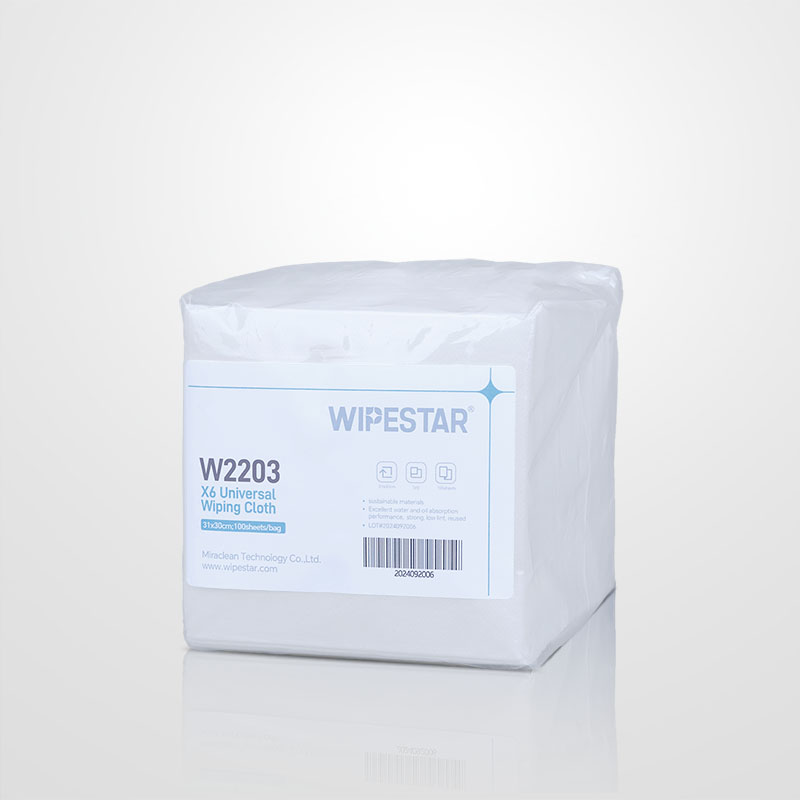
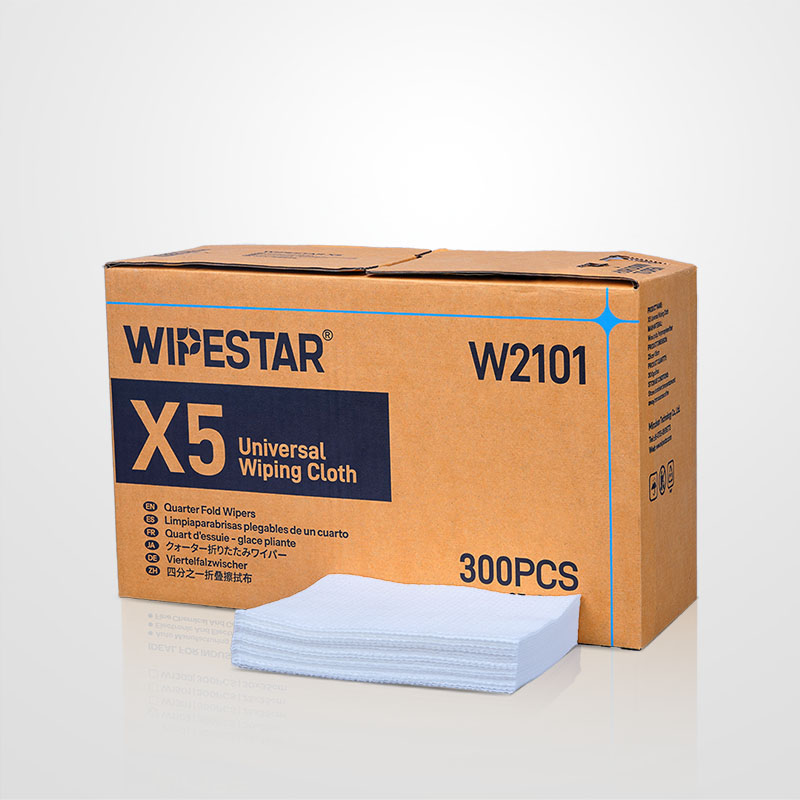
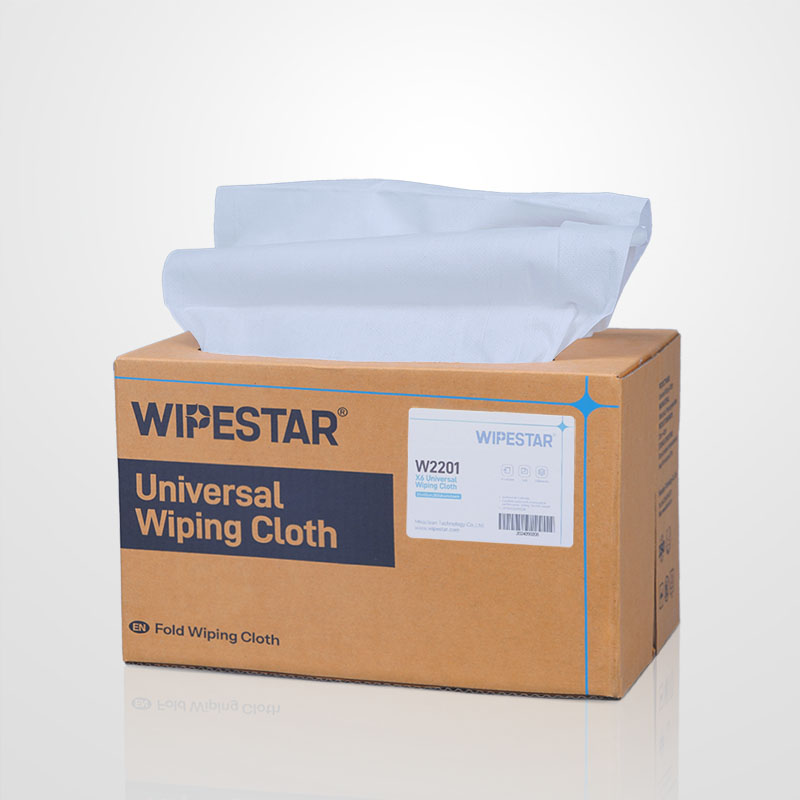
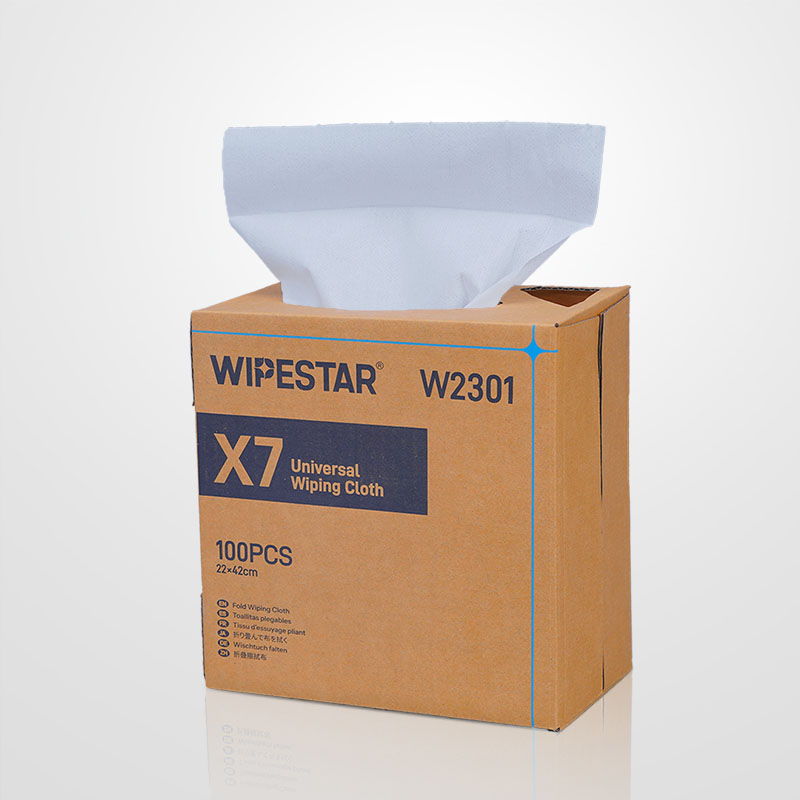
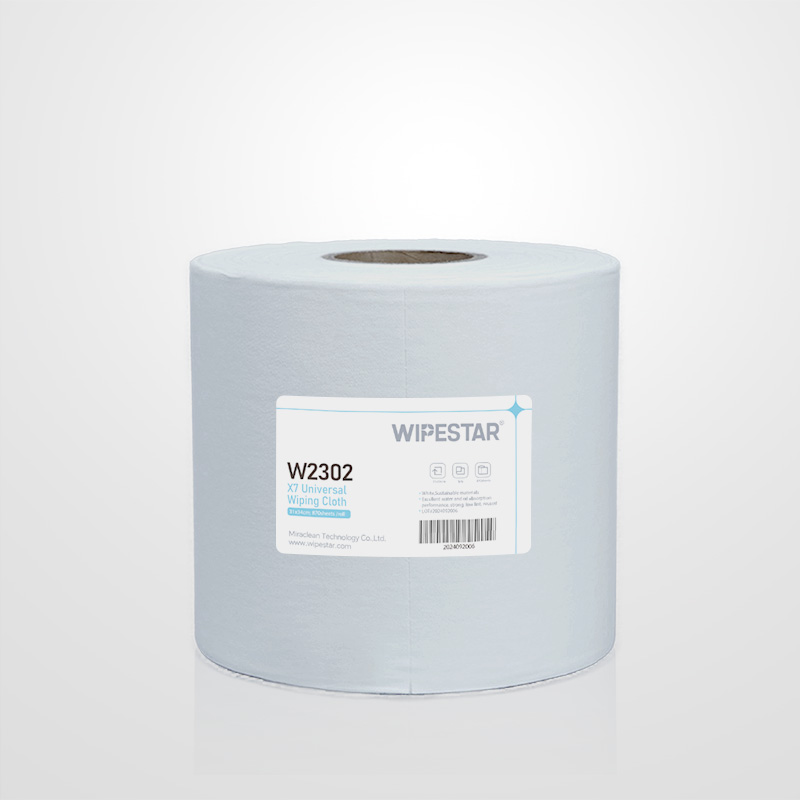
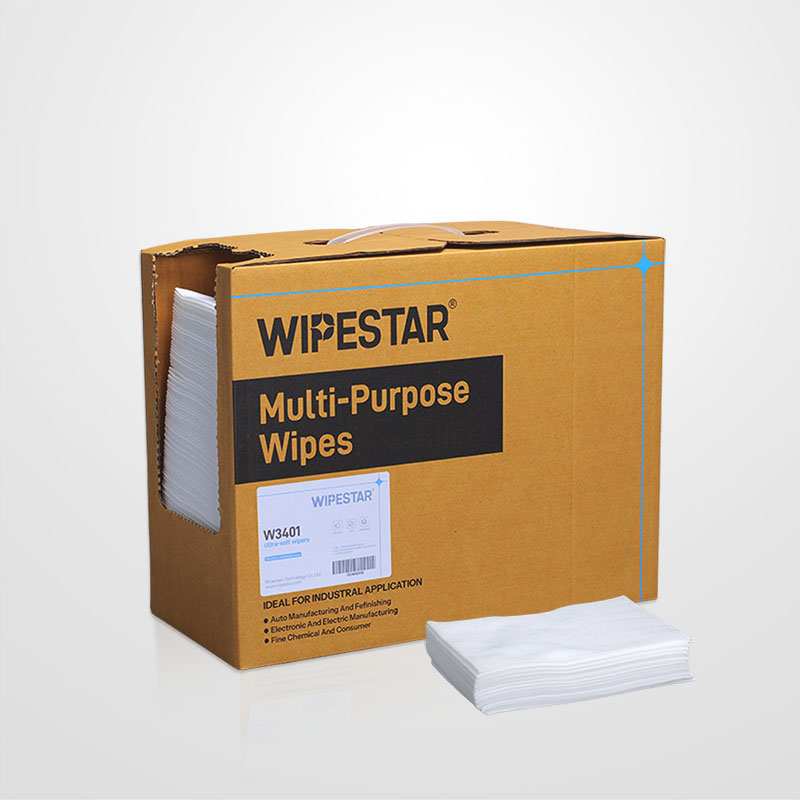
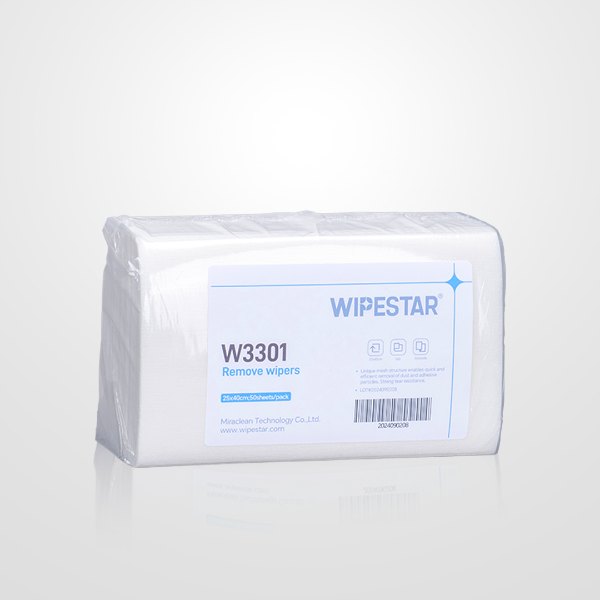
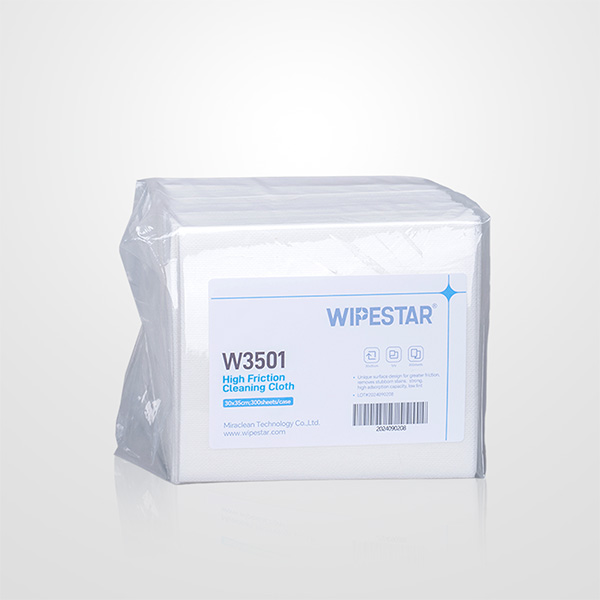
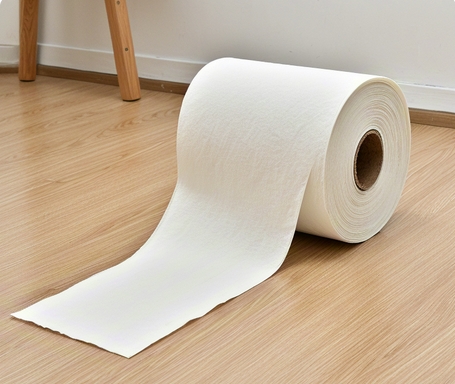
<p style="text-align: center;"><strong>In-depth interpretation of industrial wipe cloth selection standards and technical parameters</strong></p><p style="text-align: center;"><a href="https://www.wipestar.com/products/880.html" target="_self" title="Industrial Wipes"><strong><img src="https://img.wipestar.com/uploads/allimg/20250403/1-2504031521225F.png" title="Industrial-Wipes" alt="Industrial-Wipes" width="454" height="386"/></strong></a></p><p><strong>In the field of precision manufacturing, the performance differences between industrial wipes and household cleaning products are due to material science innovation. Conventional household cleaning cloths mostly use cotton-polyester-blend substrates, and their fiber diameters are generally in the range of 20-40μm, which is suitable for ordinary surface maintenance. The professional-grade industrial wipe cloth is based on a three-layer composite structure design, and achieves the strict requirements of industrial cleaning through the synergy between wood pulp fibers (liquid absorbing layer), polyester filaments (supporting layer) and microfibers (filtering layer). According to the ISO 13485 medical device quality management system certification data, this type of material can achieve 0.2μm particle control accuracy in Class 1000 clean room environment, far exceeding the 5μm level of ordinary products.</strong></p><p>From the perspective of fluid mechanics, the gradient density structure of<a href="https://www.wipestar.com/products/921.html" target="_self" title="Industrial Wipes"><strong>industrial wipes</strong></a> realizes a dynamic adsorption mechanism. Its working principle is similar to a molecular sieve filter, which synchronizes three key tasks when contacting the surface of the workpiece: the surface layer quickly decomposes the oil film through capillary effect (contact angle<15°), the intermediate layer stores liquid through siphon effect (absorption rate up to 12mL/s), and the bottom layer uses electrostatic adsorption to capture microparticles. Taking automotive power battery assembly as an example, the use of HD series nanofiber wipe cloth can reduce the residual amount of electrolyte to 0.01 mg/cm², which improves the cleaning efficiency by 92% compared with traditional materials.</p><p style="text-align: center;"><a href="https://www.wipestar.com/products/880.html" target="_self" title="Industrial Wipes"><img src="https://img.wipestar.com/uploads/allimg/20250403/1-250403152416164.jpg" title="Industrial-Wipes" alt="Industrial-Wipes" width="447" height="341"/></a></p><p>Analysis of the three core application scenarios of industrial cleaning systems:</p><p> 1、Precision electronic manufacturing: In the semiconductor wafer polishing process, the LPC (laser particle count) value of the dust-free wipe cloth must be controlled at<5 particles/square foot (0.3μm level), which complies with the requirements of ISO 14644-1 Class 5 standard. Experimental data show that professional materials can reduce the defect rate from 0.15% to 0.02% in the photoresist removal process.</p><p>2、Heavy industrial oil stain treatment: For different viscosity media, <strong>industrial wipes</strong> form grading solutions: – Low viscosity cutting fluid: Use honeycomb structure wipes, the absorbed liquid reaches 15 times the weight (ASTM F726 test) – High viscosity grease: Uncoated materials still maintain tensile strength of 9.8N/mm² at 40℃ environment – Water-based emulsion: Sandwich structure materials achieve 98% oil-water separation efficiency (GB/T 22875 standard)</p><p>3、Intelligent cleaning integration: When the modular packaging system works in concert with the AGV cleaning robot, its fracture strength must reach MD 28N/cm²×CD 15N/cm² (EN 29073 standard). It is equipped with an automatic cutting device with photoelectric positioning system, which can achieve accuracy control of ±0.5mm, and is especially suitable for 3C product continuous production lines.</p><p>In terms of material durability, the<strong> industrial wipes</strong> provide a longitudinal elongation of<3% through a bidirectional tensile process (tested by ASTM D5035), a characteristic that allows it to withstand linear friction of 20m/min when cleaning the CNC machine. Practical applications in the aerospace field show that acid- and alkali-resistant materials continue to work in the PH1-13 environment for 200 hours, and their fiber structural integrity remains above 95%.
In the field of 3C electronic manufacturing, the application of precision wipe solutions has achieved remarkable results. The latest case study shows that a multinational electronics foundry successfully achieved a 23% increase in equipment comprehensive efficiency (ONE) by systematically adopting industrial wipe fabric solutions and a 17.5% reduction in annual equipment maintenance costs. This performance improvement is mainly due to the advantages of particle control brought by professional wipe materials, especially in key processes such as wafer processing and micro component assembly.</p><p>For ultra-clean environment operation scenarios, such as semiconductor packaging processes or high-precision optical lens production, it is recommended to give priority to the use of 100-level dust-free cloth products. The core indicators of this type of clean room consumables certified by ISO 14644-1 Class 5 include: 0.1μm particle size particle residue ≤3.5 particles/cubic meter, and the ion pollution value is strictly controlled within the 0.08μg/cm² threshold. Taking a leading memory chip manufacturer as an example, after introducing a level 100-level dust-free cloth, the product yield increased by 1.2 percentage points, saving more than 3 million yuan in annual quality control costs.</p><p>When choosing a dust-free cloth supplier, procurement decision makers should focus on three dimensions: first, check the IEST-RP-CC004.3 clean room material certification level, second, evaluate the material surface resistance value (recommended range 10^6-10^9Ω/sq), and finally verify whether the supplier has the ASTM E2090 standard testing capability. According to SEMI standards, high-quality industrial wipes need to pass at least 12 chemical compatibility tests, including isopropanol extraction rate and NVR non-volatile residue detection.</p><p>Market development trends show that the industrial wipes are undergoing structural changes.</p>
Tags:No tag
RELATED RESOURCES
Sub-fine Cleanroom Wipes: How ...
Asia Dirtless Cloth: Cleaning Innovation Solutions...
More
Pharmaceutical Equipment Clean...
Pharmaceutical Equipment Cleaning Validation: TOC ...
More
Industrial wipes: technologica...
In the fields of industrial equipment maintenance ...
More
4-inch dust-free cloth micron-...
In the fields of precision manufacturing and micro...
More
The Cleaning Revolution of Pow...
How Industrial Wipes Revolve ManufacturingIn the e...
More
Precision manufacturing worksh...
Analysis on upgrading equipment cleaning standards...
More
Related Products
Room 101, Building 1, Angeer Factory, No.4, Hetian Road, Shatian Community, Kengzi Street, Pingshan District, Shenzhen, Guangdong, P.R. China 518122
info@wipestar.com
+86-755-89616775
+86-755-89616773
Related Products
RELATED RESOURCES