English
 Chinese



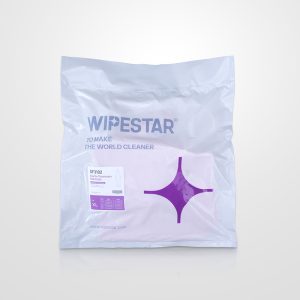
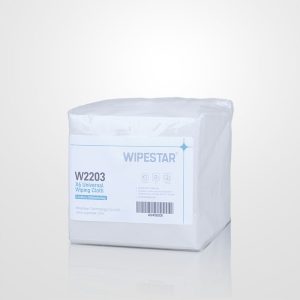
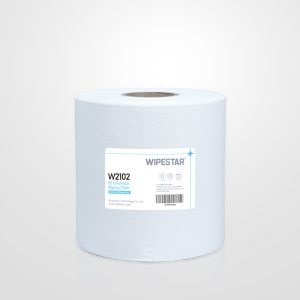
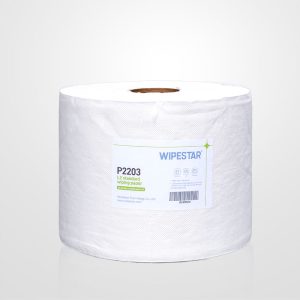
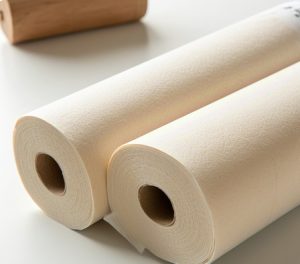
As the core consumable in the field of precision manufacturing, dust-free cloth is essentially synthetic fiber products with petroleum-based polyester material as the core raw material. There is an essential difference from traditional cotton wipe materials. This product breaks through the limitations of natural fibers through polymer modification technology, builds a microporous structure network on the surface of polyester substrate, and cooperates with multiple functional processing to finally form a special wipe medium with high cleanliness and excellent liquid absorption performance.

From raw material processing to finished packaging, dust-free cloth needs to undergo strict production process control. The raw fibers need to be treated with ultrasonic precision edge sealing to effectively control the fiber shedding rate to a level of ≤0.1mg/m³. The core cleaning process uses 18.2MΩ·cm ultrapure water (treated by EDI electro deionization system) in the ISO Class 5 clean room for three-stage countercurrent rinsing, and is treated with non-ionic surfactant to ensure that the product meets the Class 100 cleanliness requirements in the ASTM E1560 standard. The final product characteristics include: non-volatile residue<1 μg/cm², sodium ion content

Analysis of material classification system: 1. Polyester substrate-led type: including standard type (100% polyester), sub-ultrafine type (monofilament fiber 0.8dtex), ultrafine composite type (polyester 80% + nylon 20% blend) 2. Function enhancement type: high-density braided type (warp and weft density 220T/cm²), multi-layer composite type, permanent anti-static type (surface resistance 10^6-10^9Ω)
Manufacturing process comparison: – Knitting process: Use warp knitting technology to form a three-dimensional elastic structure, suitable for curved surface wiping scenarios – Weaving process: Plain weave tissue ensures dimensional stability and is suitable for plane precision wiping – Ultrasonic edge sealing: achieves precision edge ≤0.1mm, and the edge shedding rate is 80% lower than traditional heat cutting
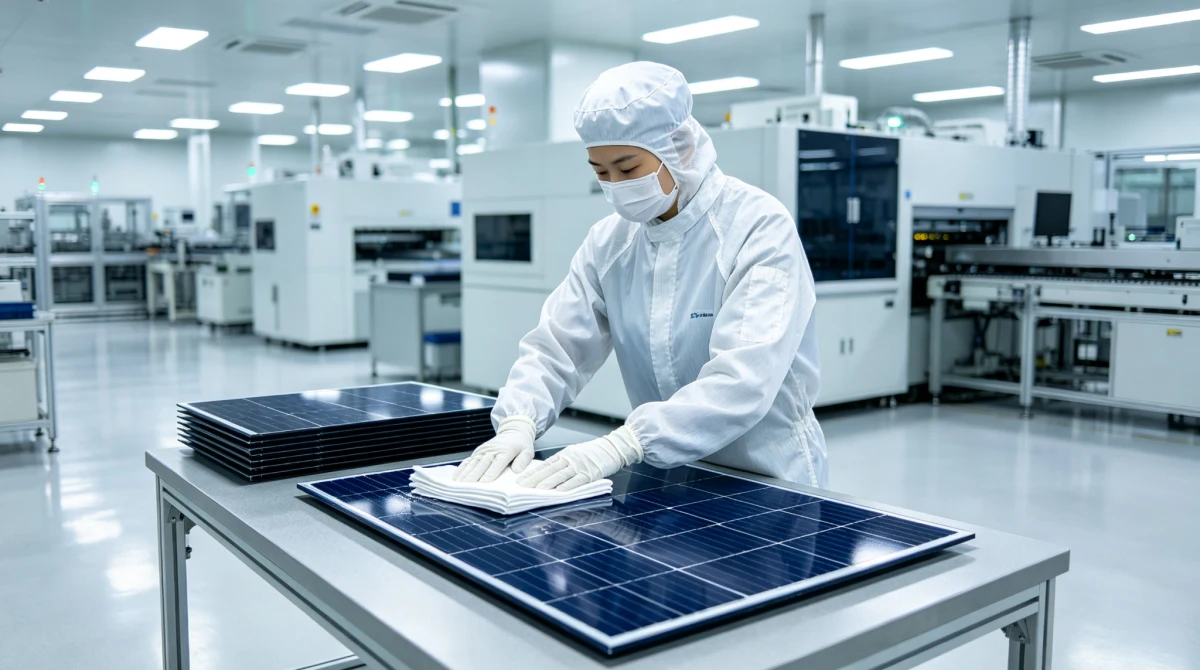
In semiconductor manufacturing practice, laser edge-sealed microfiber dust-free cloth has been widely used in the maintenance of lithography machine mirror group, and its cleanliness indicators can meet the nonlevel cleaning requirements of EUV extreme ultraviolet lithography systems.