English
 Chinese



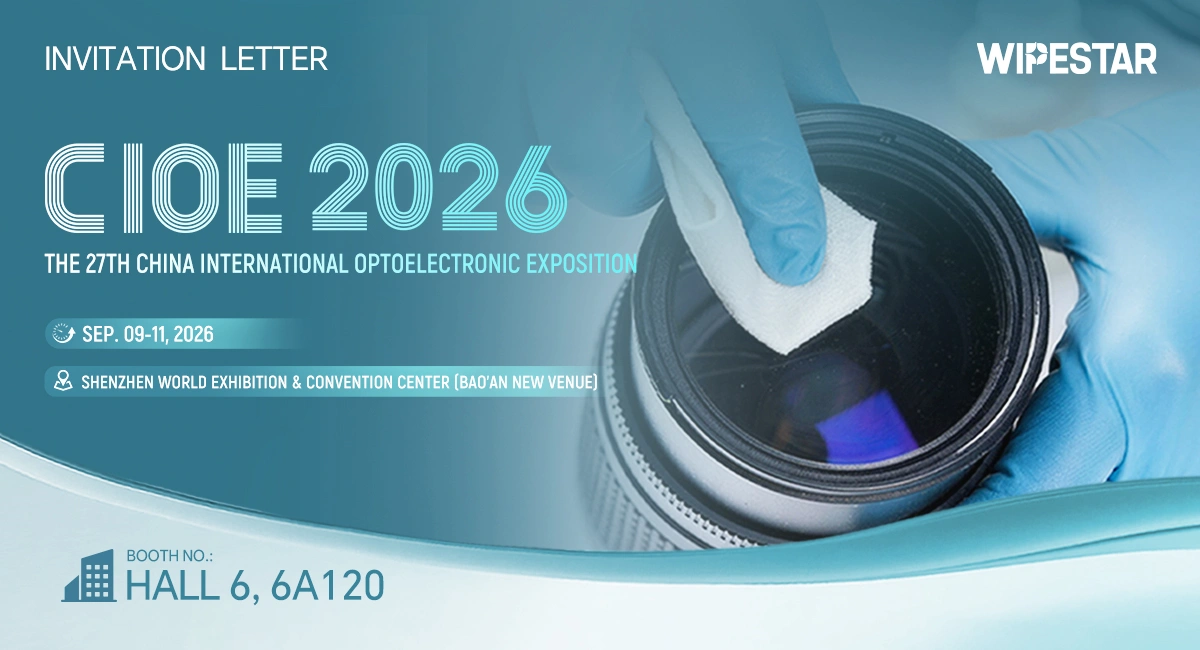
Shenzhen is home base for us, and CIOE is one show we never miss. The 27th China International Optoelectronic Exposition runs September 9–11 at the Shenzhen World Exhibition & Convention Center in Bao’an — the new venue, massive space, easy to get lost if you don’t have a plan. So here’s ours: Hall 6, Booth 6A120. That’s where you’ll find us with the full product range and the technical team ready to talk through whatever cleaning problem is slowing your line down.
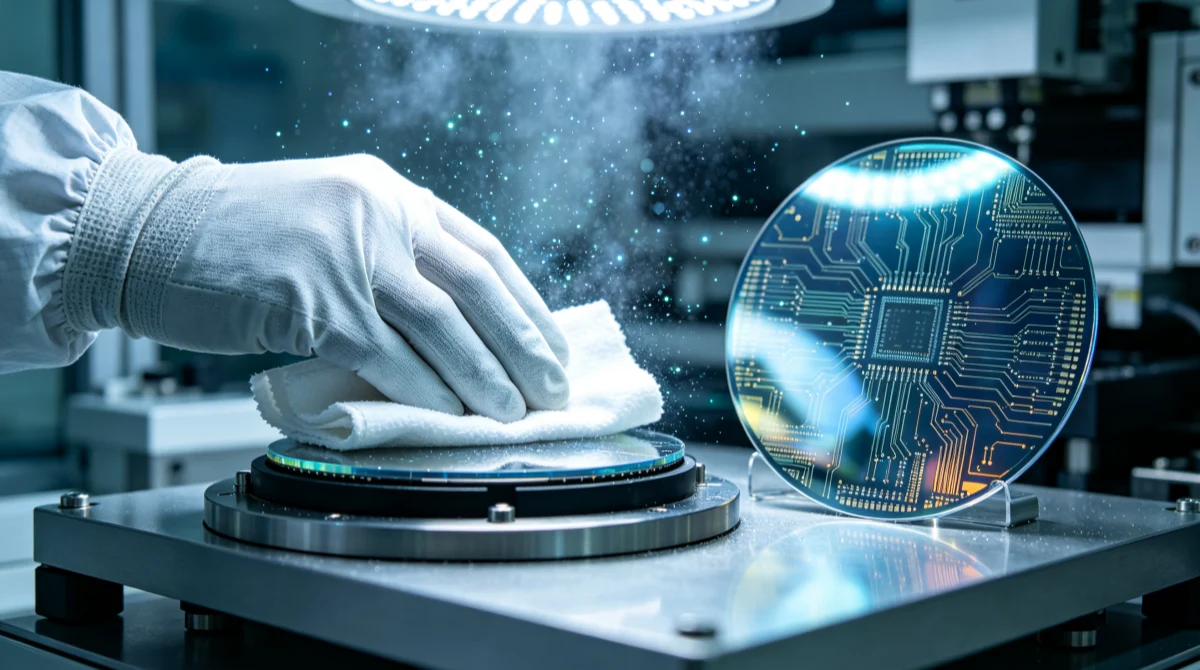
CIOE pulls in over 3,000 exhibitors and 100,000+ visitors across optoelectronics, semiconductors, precision optics, laser manufacturing, and photonics. If your work touches any of those fields — wafer-level optics, fiber optic connector cleaning, laser lens maintenance, photonic packaging — you already know that surface cleanliness isn’t a nice-to-have. It’s the difference between a product that ships and one that fails QC.
Why CIOE Matters for Cleanroom Consumables
CIOE isn’t a general industrial fair. It’s optoelectronics, specifically — and that means the people walking in are dealing with some of the most cleanliness-sensitive manufacturing processes out there. Fiber optic connectors need end-face cleaning to IEC 61300-3-35 standards. Laser optics demand sub-micron particle control. Photonic IC packaging requires wipes that won’t introduce ionic contamination into active waveguide regions.
We’ve been supplying this sector for years, and the conversation always comes back to the same thing: your current wipe “works fine” until you look at the defect data. Then you find out it’s been shedding fibers onto your connector end-faces, or releasing extractables that haze your lens coatings, or carrying enough ionic contamination to shift the performance of your photodiodes.
That’s why we come to CIOE — not to hand out brochures, but to sit down with process engineers, QA managers, and procurement teams and work through the specifics. What are you cleaning? What does the surface look like under magnification? What solvent are you using? What’s your cleanroom class? The answers determine which product actually solves your problem.
What We’re Bringing to Booth 6A120
Real products, not spec sheets on a screen. You can pick up every wipe, feel the texture, test the absorbency, and see the edge construction under a loupe. Here’s what’s on the table:
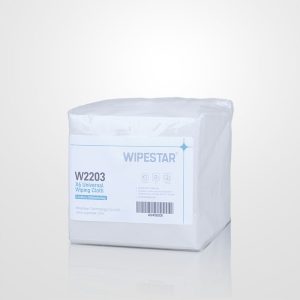
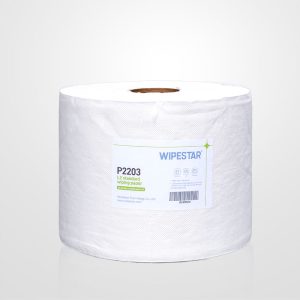
Cleanroom Wiping Cloths
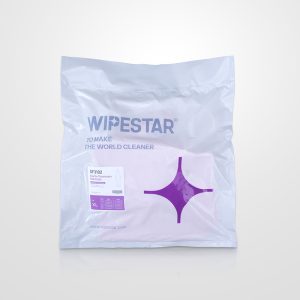
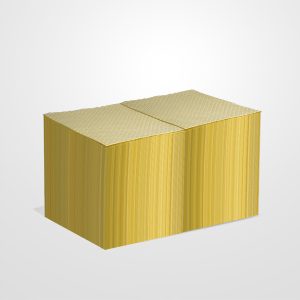
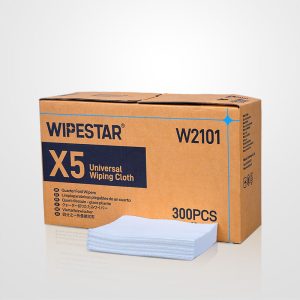
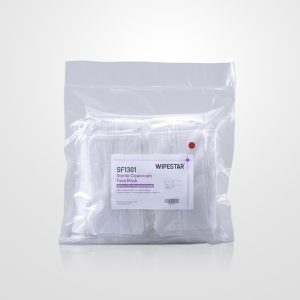
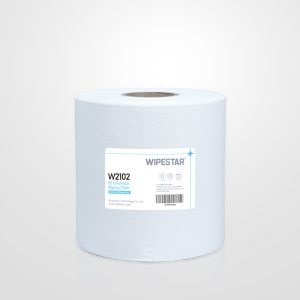
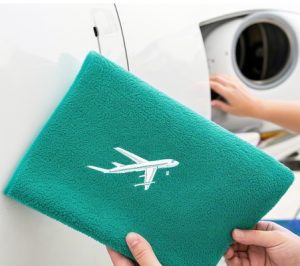
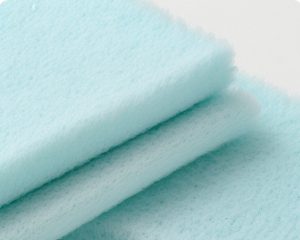
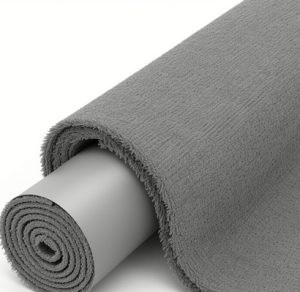
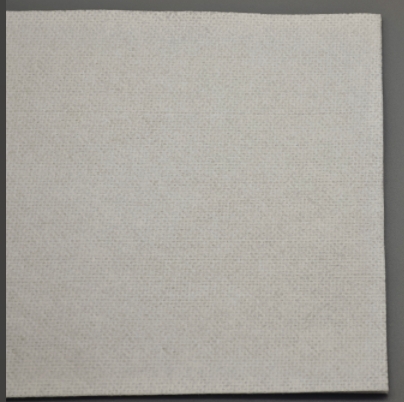
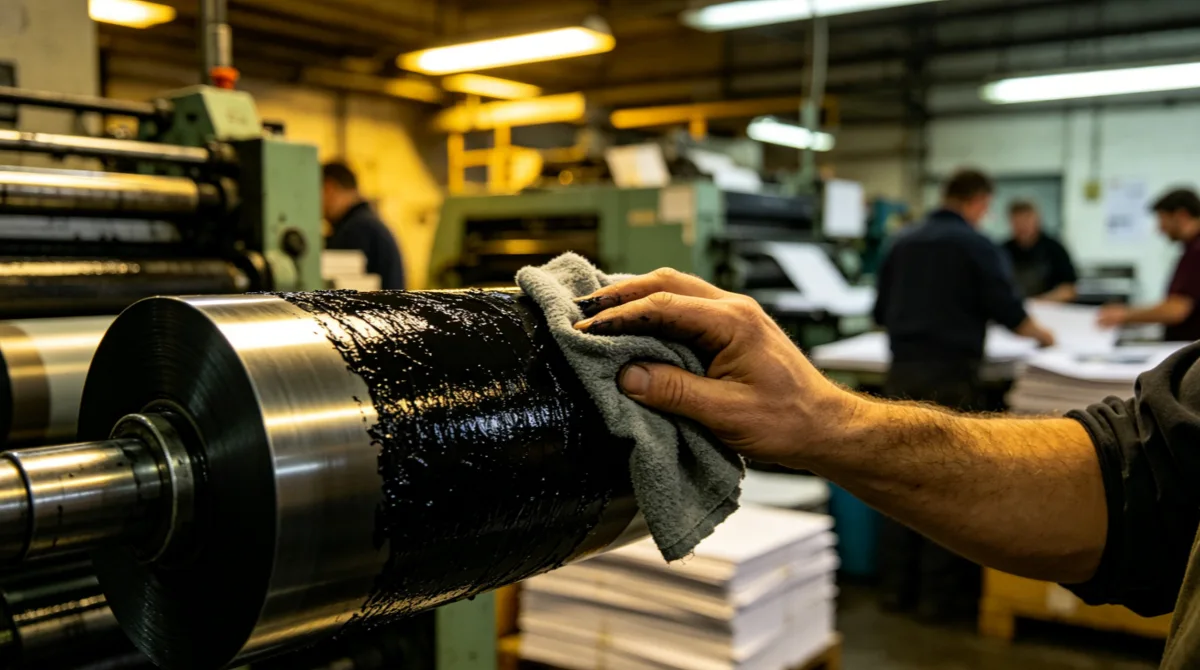
Our wiping cloth range covers everything from ISO Class 1 semiconductor environments to general optical bench cleaning. The X5 series is the go-to for precision optics work — low-lint, consistent basis weight, laser-sealed edges that don’t shed fibers onto your surfaces. For heavier contamination like adhesive residue or coating overspray, the X6 spunlace with its stone-pattern texture grabs particulate instead of pushing it around.
If you’re running fiber optic connector cleaning, we’ll have wipes specifically tested for IEC 61300-3-35 compliance. Connector end-face contamination — oils, particulate, residual polish compound — is the number-one cause of insertion loss and return loss failures. A wipe that leaves even a 1µm fiber on the end-face can degrade signal performance. We’ve documented this in our wiping papers range with particle count data at the 0.5µm threshold.
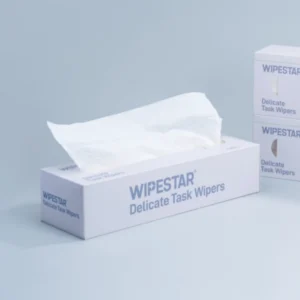
Cleanroom Swabs for Precision Optics
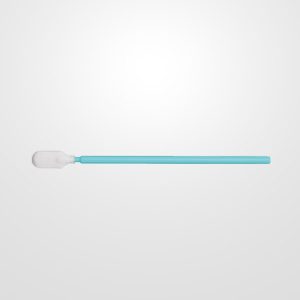
Sometimes a wipe is too big. For connector ferrules, lens edges, detector surfaces, and small optical assemblies, you need a cleanroom swab with the right head geometry and material. We’re bringing foam-tipped, microfiber-tipped, and polyester knit swabs — each one designed for different surface profiles and contamination types. The foam swabs work well for liquid residue pickup on flat optics. The microfiber heads are better for particulate on curved surfaces.
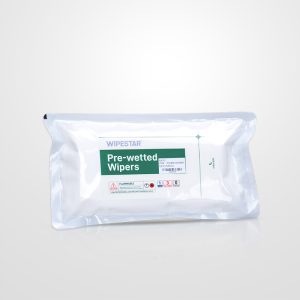
Pre-Wetted Wipes
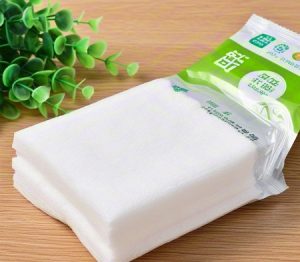
Operator variability is real. One person uses too much solvent, another too little. Someone leaves the IPA bottle open and it absorbs moisture from the air. With pre-wetted wipes, you get factory-controlled saturation levels and verified solvent purity in every wipe. No guessing, no contamination from poorly handled solvent bottles. For optoelectronic assembly where surface prep directly affects coating adhesion and optical transmission, this consistency matters more than people think.
PPE and Spill Control
Optoelectronic manufacturing uses solvents, adhesives, and sometimes hazardous chemicals. Our PPE range and spill control products round out the booth. If your facility handles chemical spills or needs absorbent materials for cleanroom-compatible spill response, we’ll have the full range on display.
Optoelectronics Cleaning: What We’ve Learned
After years of working with optoelectronics manufacturers, a few patterns keep showing up:
Fiber optic connector cleaning is underspecified in most facilities. The standard (IEC 61300-3-35) is clear about what “clean” means — no particles >1µm, no films, no scratches. But a lot of shops are still using generic wipes that weren’t designed for end-face cleaning. The result is intermittent signal loss that nobody can trace back to the wipe because the contamination is too small to see without a interferometer.
Laser optics cleaning requires chemical compatibility verification. Anti-reflective coatings, high-reflectivity coatings, and beam splitter coatings all have different chemical sensitivities. A wipe that’s perfectly safe on bare glass can damage a multi-layer dielectric coating if the wipe’s extractable chemistry interacts with the coating material. We test our wiping cloths against common coating chemistries and provide compatibility data.
Photonic packaging is moving toward cleaner consumables — fast. As photonic ICs get more complex and waveguide dimensions shrink, the contamination tolerance drops. Wipes that were “good enough” five years ago don’t meet today’s requirements. The ionic contamination profile of your wipe matters here — sodium, potassium, and chloride ions can migrate into active waveguide regions and shift device performance.
The Surface Prep Problem Nobody Talks About
Whether you’re applying anti-reflective coatings, bonding optical components, or splicing fibers, surface preparation is the step that determines whether the downstream process succeeds or fails. And it’s the step most likely to get shortchanged on consumable quality.
We see the same failure modes across optoelectronics facilities:
- Residual polish compound on connector end-faces. The cleaning wipe doesn’t remove it completely, and it bakes into the surface during curing. Insertion loss goes up. Return loss goes up. Nobody traces it back to the wipe.
- Fingerprints on coated optics. Salts and oils from bare hands etch into coating surfaces under UV exposure. Sounds basic, but it happens in facilities that skip the pre-bond surface prep wipe.
- Particles trapped under adhesive bonds. A single fiber between a lens and its mount creates a stress point that cracks during thermal cycling. A low-lint wipe in the bonding area eliminates this entirely.
The fix is straightforward — match the wipe to the surface, verify chemical compatibility, and use sealed-edge products in critical areas. We’ll walk you through the options at the booth.
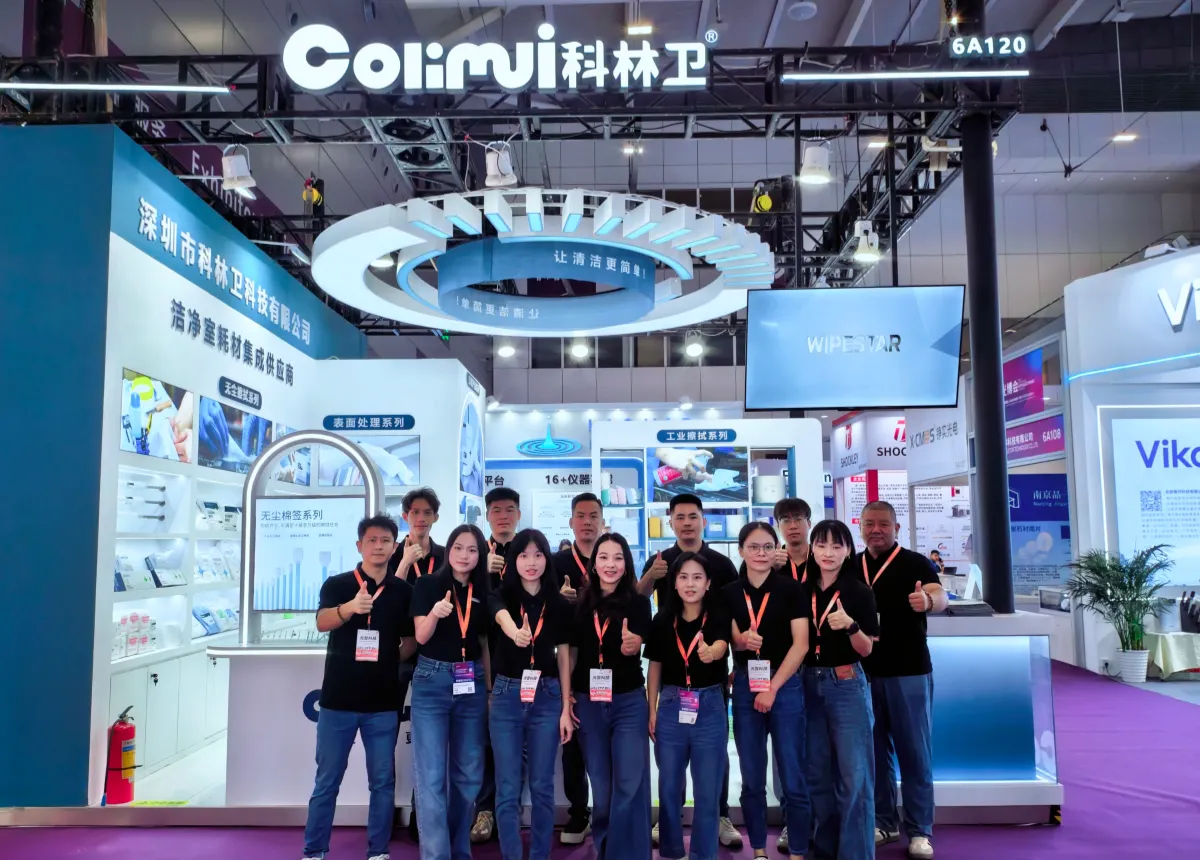
Who’s at the Booth
We’re bringing a full team to Booth 6A120 — technical, commercial, and operations. Here are five people you’ll want to connect with.

Ethan — Sales Director
Twenty years in cleanroom consumables. Ethan runs global sales and has handled just about every cleaning scenario in optics and semiconductor manufacturing — coating adhesion failures, connector contamination, photonic packaging defects. If you want to talk about a long-term supply partnership, he’s at Booth 6A120.

Vicky — Foreign Trade Sales Supervisor
Vicky oversees day-to-day foreign trade sales operations at WIPESTAR — client communication, sales documentation, and coordinating overseas orders from inquiry through delivery. She works with international buyers across optoelectronics, semiconductor, and precision optics supply chains, making sure every shipment meets spec and arrives on schedule.

Carolina — Product Specialist
Carolina knows our products down to the fiber level. She works directly with raw material suppliers on fiber structures, bonding agents, and edge construction. Got a technical question about particle shedding or chemical compatibility with your coating process? She’s the one to find.

Zac — Customer Service
Zac handles day-to-day account management — order tracking, sample coordination, documentation requests. If you’ve ordered from us before, he’s the one making sure your shipments arrive on time with the right paperwork and lot-level COAs.

Daisy — Sales Support
Daisy keeps the wheels turning — engineering sample packages, qualification documentation, compliance certificates. When you need technical data for your QA team to review, she pulls everything together and gets it to you.
Why Work With Us Instead of a Distributor
We manufacture. Our factory in Shenzhen — right here, 30 minutes from the CIOE venue — runs ISO-certified production with full lot traceability. Every shipment comes with lot-specific COAs, particle count data, and extractable analysis. Not generic sheets. Lot-level data your QA team can plug into their documentation system.
We also do OEM and ODM. Your brand, your specs, your packaging. Custom slit sizes, custom saturation levels for pre-wetted products, custom swab geometries — we handle it all in-house. If you’ve been buying through a distributor and wondering what you’re actually getting, come see the source.
- Wiping Cloths — Full range from ISO Class 1 semiconductor-grade to general optical bench cleaning. Sealed-edge options for critical optics work.
- Cleanroom Swabs — Foam, microfiber, and polyester heads for connector ferrules, lens edges, and small optical assemblies.
- Pre-Wetted Wipes — Factory-controlled saturation for consistent surface prep before coating, bonding, and assembly.
Browse All Products → Request a Free Quote
Find Us at CIOE 2026
Event: The 27th China International Optoelectronic Exposition (CIOE 2026)
Dates: September 9–11, 2026
Venue: Shenzhen World Exhibition & Convention Center (Bao’an New Venue)
Booth: Hall 6, 6A120
Contact: info@wipestar.com | +86-755-8961-6773
Drop by, touch the products, run your own tests. We’ll be there all three days. If you want to set up a meeting ahead of time, email us at info@wipestar.com or call +86-755-8961-6773.
Frequently Asked Questions