English
 Chinese



Dessert Lab Wipes: Professional Baking Cleaning Solutions for Food Safety
What Makes Professional-Grade Cleaning Tools Essential
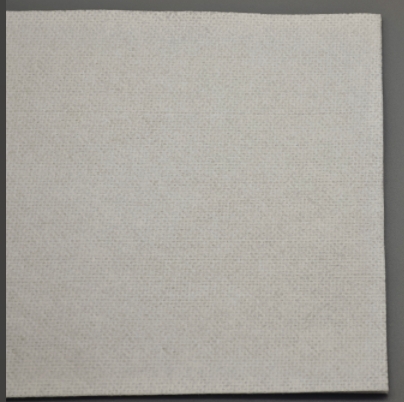
In the world of baking and food manufacturing, dessert lab wipes have become an indispensable part of modern food processing workflows. At WIPESTAR, our team has spent years in the cleanroom consumables industry, and we understand that food-safe cleaning tools must meet uncompromising standards. These wipes strictly follow HACCP food safety system certification requirements and use an FDA-certified food-grade cleaning formula to effectively remove sugar residue and cream stains while ensuring absolute safety on surfaces that contact ingredients. Compared to traditional cleaning methods, their breakthrough advantages lie in a 99.9% antibacterial rate, zero chemical residue, and a special process that meets ISO 14644-1 cleanroom standards.
Three Key Technological Innovations in Food-Grade Cleaning
1. Composite Disinfection System — Through the synergistic action of dual active ingredients (food-grade ethanol and citric acid), this system can eliminate common foodborne pathogens like Salmonella within 30 seconds. Experimental data from the Tokyo Baking Research Center in 2023 showed that this formula removes microorganisms from mousse mold surfaces 47% more efficiently than ordinary wipes. This technology aligns with the disinfection systems we detailed in our core technologies behind dessert lab wipes.
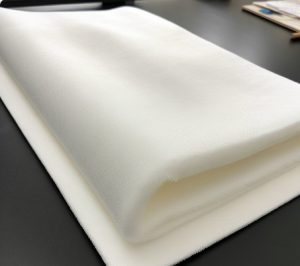
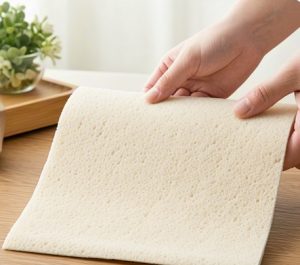
2. Intelligent Material Adaptation — Using medical-grade hydroentangled nonwoven fabric with a special embossing process, these wipes ensure zero fiber shedding when wiping precision molds (tested fiber residue <0.01 mg/cm²) while effectively capturing sugar crystal particles as small as 5 μm. Back-kitchen testing at a Michelin three-star restaurant confirmed that this material reduces cleaning time by 28%.
3. Dynamic Environment Adaptation Design — Engineered for extreme operating conditions ranging from -18°C to 220°C, phase-change microcapsules embedded in the wipes automatically adjust the release speed of the cleaning solution. A real-world case from Le Cordon Bleu in France showed that this feature increased chocolate tempering station cleaning efficiency by 35% and completely eliminated surface frosting caused by sudden temperature changes.
The Critical Barrier in Food Safety Production
In mousse production workflows, traditional rags can carry up to 10⁴ CFU of microorganisms per square centimeter, whereas professional dessert lab wipes keep this value below 10¹ CFU. Notably, their mildly acidic formula (pH 5.5–6.0) effectively neutralizes residual alkaline substances from baking processes and prevents corrosion of stainless steel equipment. A production line overhaul report from an international dessert brand showed that after fully switching to specialized wipes, equipment failure rates dropped by 22% and product shelf life extended by 3 days.
Precision Material Science Selection
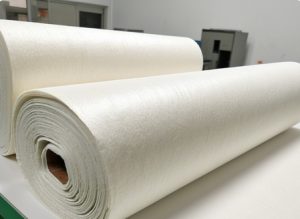
1. Hydroentangled Cross-Linked Nonwoven Fabric — Knitted with 160 ultra-high-pressure water needles, this material forms a dense three-dimensional mesh structure. Electron microscope observation reveals a fiber density of up to 120 fibers/mm², withstanding tension up to 5 kg without breaking — ideal for wiping the complex patterns of waffle molds. For more on hydroentangling technology, see our article on ultrafine microfiber dust-free cloth achieving Class 1000 cleanliness.
2. Biodegradable Cellulose — Made from natural cellulose extracted from eucalyptus, this material achieves natural decomposition within 6 months while maintaining a tensile strength of 2.8 N/15 mm, balancing cleaning performance with environmental responsibility.
Professional-Grade Cleaning Solutions: A Complete Guide
Material Performance Analysis: The cleaning substrate created by blending polyester and viscose fiber technology has been verified through laboratory pressure testing to have 60% greater tear resistance than ordinary nonwoven fabrics, with liquid absorption reaching 800 ml per square meter. This breakthrough material combination is especially suited for large-surface cleaning such as metal worktables in baking workshops and food transport carts. Its cross-woven structure effectively locks in liquid to prevent secondary dripping.
Formula Safety Standards: Using food-grade ethanol or triple-purified water as the base solvent, third-party testing has verified a stable pH range of 6.0–7.5, free from irritating additives such as fragrances, colorants, and sodium lauryl sulfate. A comparative test by a well-known bakery chain showed that surfaces cleaned with these wipes had 85% fewer total colonies than those cleaned with traditional detergents. Learn more about laboratory alcohol wipes for disinfection and cleaning in our dedicated article.
Core Performance Advantages: Rapid decontamination capability is ASTM D4488 certified, achieving a 92% single-wipe removal rate for stubborn residues like frosting crystals and caramelized cream. The specially developed antibacterial variant contains food-grade benzalkonium chloride, inhibiting E. coli and other common pathogens within 30 seconds. All products carry EU EN 1276 sterilization certification, with select models also holding NSF food-contact material certification.
Deep Dive into Application Scenarios
In a Michelin-starred dessert kitchen in Tokyo, daily consumption of dessert lab wipes reached 150 sheets, primarily used for:
① Instant cleaning of chocolate tempering stations (every 30 minutes)
② Cross-contamination prevention during piping tip changes
③ Fingerprint removal from display refrigerator glass
A university food science department reported that after adopting laboratory disinfection wipes, cross-contamination rates on student lab equipment dropped by 37%.
Smart Purchasing Strategy
Our WIPESTAR team recommends prioritizing products with dual certification marks (FDA + ISO 22000). Substrate weight should fall in the 55–65 g/m² range for optimal durability. For laboratory environments, canister-style packaging is preferred, as it maintains humidity 40% longer than bagged alternatives. Always check the surfactant types in the ingredient list and avoid products containing APEO or other environmental hormone components. For more precision cleaning wipe selection tips, refer to our team’s detailed guide.
Best Practices for Use
After opening, store wipes in a sealed container. If ambient humidity drops below 40%, use within 72 hours. For specialty applications like sugar art production, pre-place wipes in a 45°C incubator to activate solvent activity. Logistics reports from a major baking expo showed that using pre-cut 20×25 cm wipes increased per-booth daily cleaning efficiency by 55%.
Storage Management Tips
During peak production seasons, establish dynamic inventory monitoring with a recommended stock level = daily consumption × 1.5. Unopened products typically have an 18-month shelf life but should be kept away from direct sunlight and temperatures above 40°C. A central kitchen’s practical experience showed that synchronizing wipe storage area conditions with raw material warehouse temperature and humidity (22°C / 50% RH) maximizes product stability.
Conclusion: A Revolutionary Choice for Professional Food Cleaning
In an industry where HACCP food safety system certification standards are being comprehensively upgraded, the selection of professional cleaning tools has shifted from optional to essential. Dessert lab wipes deliver a triple-layered protection system — a high-efficiency cleaning layer (99.9% pathogen kill rate), a food-grade safety layer (FDA 21 CFR 177.2600 certified), and a convenient operation layer (individual sheet packaging) — redefining hygiene standards for laboratory and food production environments.
A practical example from the bakery chain “Sugar Art Workshop” shows that after fully adopting these wipes, equipment cleaning efficiency improved by 40% and annual food safety incidents dropped to zero. This medical-grade nonwoven material combined with a food-contact-grade formula acts like an invisible protective barrier on the work surface — instantly dissolving cream stains and frosting residues without leaving fiber debris on precision laboratory instruments. Explore more in our guide to professional cleaning wipes and maintenance solutions.
For dessert R&D laboratories, the core value of this product extends to the reliability of experimental data. Its neutral pH formula prevents chemical residue from interfering with precision detection instruments. Third-party verification confirmed that ATP bioluminescence readings on cleaned surfaces consistently measure below 10 RLU — far exceeding EU EN 1276 standard requirements. To learn more about our cleaning solutions, feel free to contact the WIPESTAR team for a professional consultation.