English
 Chinese



There’s a moment every kennel worker knows. A dog pees on the run floor. You grab a paper towel. You press down. It soaks through in two seconds flat. You grab another. Same thing. You grab a third, and by now the first two are disintegrating into wet pulp stuck to the rubber matting. You’ve spent 90 seconds and three sheets on what should be a 15-second job, and the floor still isn’t clean.
That’s the problem we kept hearing from pet facilities when we asked about their cleaning consumables. Not that paper towels don’t work—they do, technically. It’s that they work so badly, so slowly, and so expensively when the job involves animal urine and waste. A dog’s bladder holds 200 to 500 ml. A paper towel absorbs maybe 40. You do the math. And when you multiply that across 30, 50, 80 kennels cleaned three or four times a day, you’re not just wasting paper—you’re burning labor hours on a task that shouldn’t take this long.
Our L40 efficient wiping paper was designed for industrial liquid absorption. It wasn’t built specifically for pet care. But when a boarding facility in the UK asked to trial it for kennel cleanup three years ago, the feedback was immediate: one sheet where they used to need four, and it didn’t fall apart when they scrubbed. They’ve ordered every month since. So have about 200 other pet businesses across 40 countries. Here’s what we’ve learned about why this product works so well for urine, feces, and everything else your animals leave behind.
Why the L40 Absorbs So Much More Than Paper Towels
The short version: it’s engineered to pull liquid in and hold it. A household paper towel is designed to wipe a kitchen counter—light spills, smooth surfaces, low volume. It’s thin, it’s flat, and it absorbs about 30 to 50 ml before it’s useless. The L40 is a different product entirely.
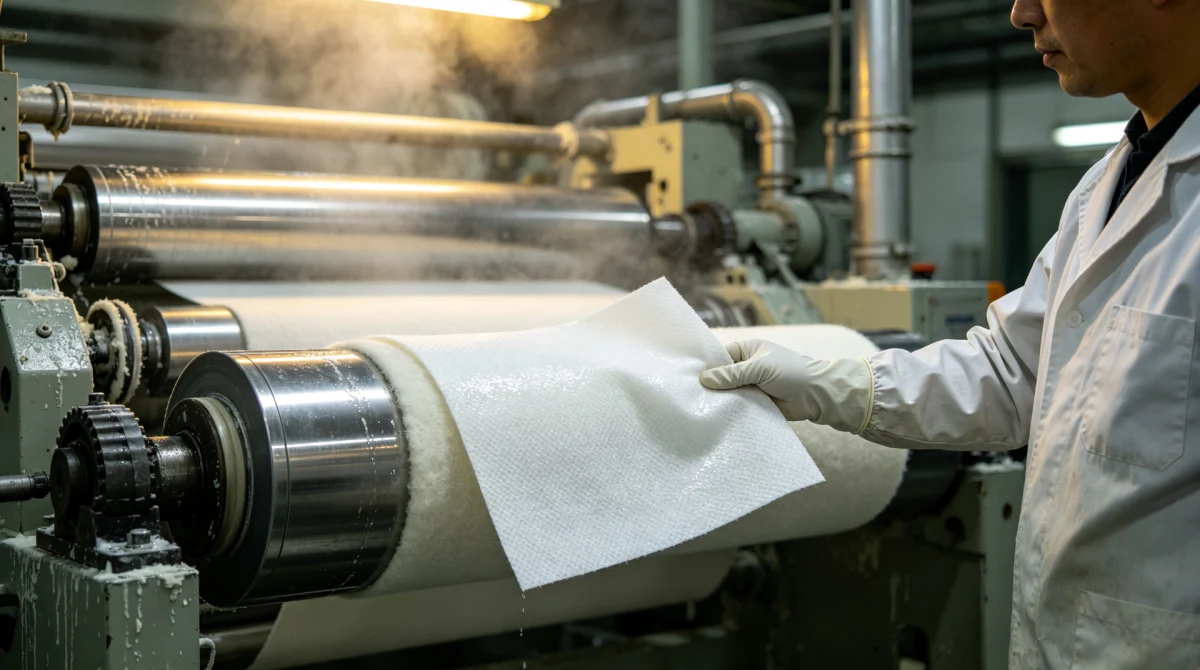
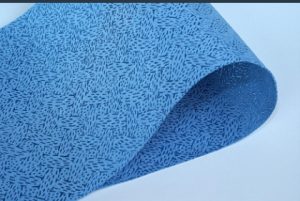
It’s 100% wood pulp, 70 grams per square meter, with an embossed texture that creates a network of tiny channels across the sheet surface. When liquid hits those channels, it gets pulled into the sheet and spread across the full area instead of pooling in one spot and soaking straight through. The result: a single 31 × 34 cm sheet absorbs around 200 to 300 ml of water-based liquid. That’s one sheet for one medium-sized dog accident. Not three. Not four. One.
Pet urine is slightly different from plain water—dissolved urea, salts, a bit of ammonia—and absorption is marginally lower. But even so, the gap between the L40 and a standard paper towel is enormous. We’ve had kennel operators tell us they went from using a full roll every two days to a roll lasting nearly a week. Same number of dogs. Same cleaning schedule. Just a wipe that actually does its job.
Urine, Feces, Vomit: Real-World Cleanup Scenarios
Different waste types, different challenges. Here’s what we hear from facilities using the L40 for each:
Urine. This is the most common use case and where the L40’s absorption advantage is most obvious. A single sheet laid over a urine puddle on a kennel floor or training pad pulls the liquid in within seconds. Press down gently, lift, and the spot is dry. No second sheet needed. No torn paper stuck to the floor. For large breeds or dogs with urinary incontinence, two sheets handle even a heavy void without saturating.
Feces. Solid waste cleanup is less about absorption and more about containment and wipe strength. You need a sheet that wraps around the waste, picks it up, and carries it to the bin without disintegrating in your hand. The L40’s wet strength—its ability to hold together under pressure when saturated—means you can scoop, wrap, and dispose in one motion. No glove change because the sheet tore. No second attempt because the first one fell apart mid-pickup.
Vomit. This is the messy one. Pet vomit is semi-liquid, often mixed with kibble or grass, and it spreads. You need a wipe that absorbs the liquid portion quickly while having enough structural integrity to handle the solid bits. The L40 manages both. Lay a sheet over the mess, press lightly to absorb the liquid, then fold and lift. One sheet, maybe two for a big dog with a sensitive stomach.
It Doesn’t Fall Apart When You Scrub
This is the second thing kennel staff notice after the absorption. The first thing is “wow, that actually soaked it all up.” The second thing is “I scrubbed the floor with it and it didn’t tear.”
A saturated paper towel has zero structural integrity. Push it across a textured rubber kennel mat and it shreds. Now you’ve got wet paper pulp stuck in the mat grooves and you need a second sheet to clean up the remains of the first one. The L40’s embossed fiber bonding holds the sheet together under scrubbing pressure—you can drag it, press it, even crumple it around solid waste and it stays in one piece.
What this means in practice: each cleanup takes about 15 to 30 seconds instead of 60 to 120 seconds. Multiply that across every kennel, every shift, every day. The time savings are real, and they compound fast.
Animal Safety: We Tested It on the Most Sensitive Skin We Could Find
We get asked about animal safety a lot, and it’s a fair question. This is a product that touches surfaces animals live on, eat from, and walk across barefoot—bare-pawed—bare-bellied. So we test accordingly.
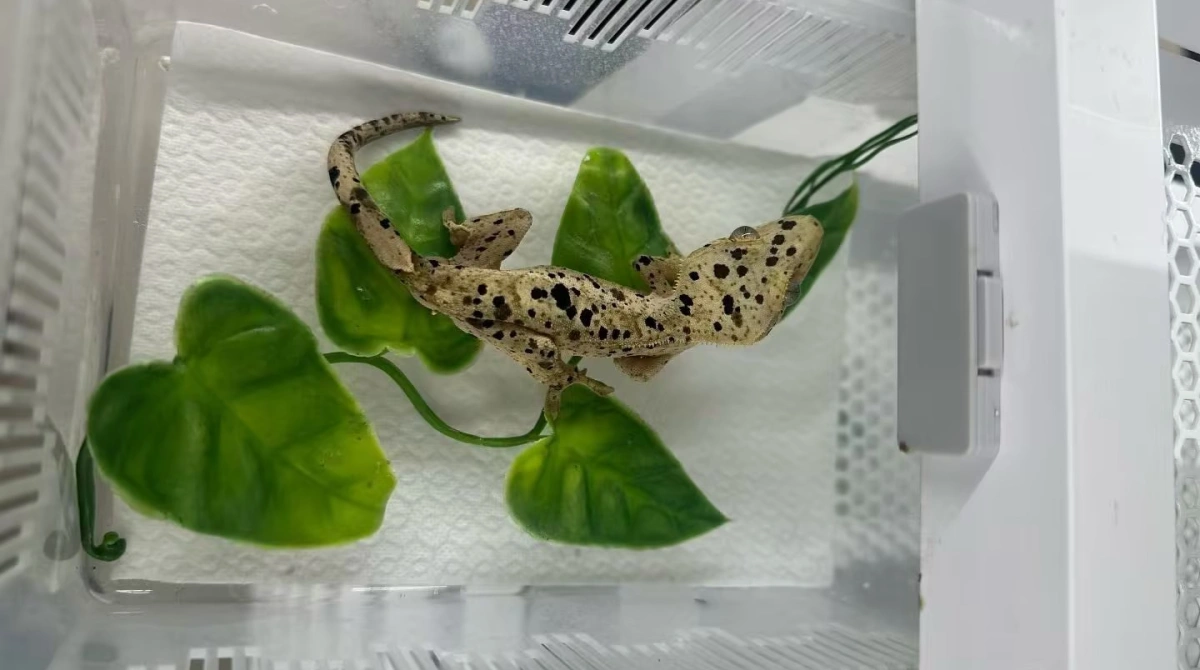
The L40 is 100% wood pulp. No synthetic fibers, no chemical binders, no fragrance, no dye. It’s certified food-contact safe, which means it meets the same regulatory standards as surfaces that touch human food. But we go a step further for pet applications: we test on reptiles—specifically crested geckos—because reptile skin is more permeable than mammalian skin and reacts faster to surface irritants. A gecko sitting on a chemically treated surface will show skin irritation within a day. The L40 has been used as a substrate in reptile breeding racks for weeks with no adverse effects.
For kennels, vet clinics, and grooming shops, this means the L40 is safe for every surface your animals contact: kennel floors, crate trays, exam tables, grooming tables, litter box surrounds, feeding area floors. It’s also safe for handlers—the wood pulp doesn’t shed irritant fibers, and there’s no chemical residue to transfer to hands or gloves.
Lint and Smell—The Stuff Nobody Thinks About Until It’s a Problem
Lint
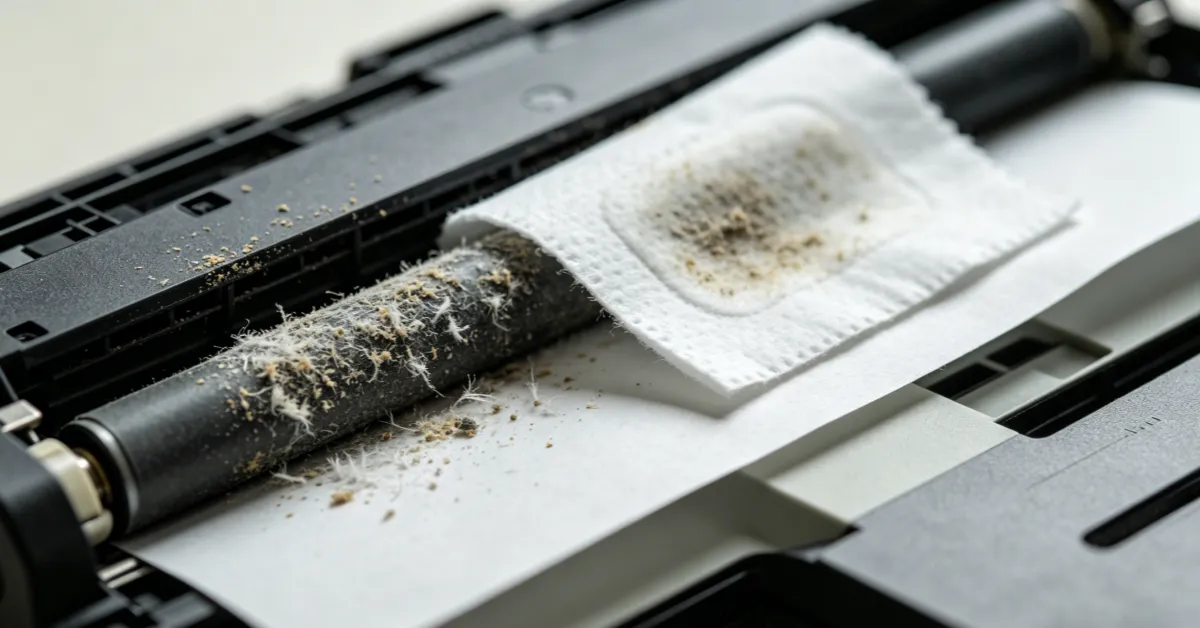
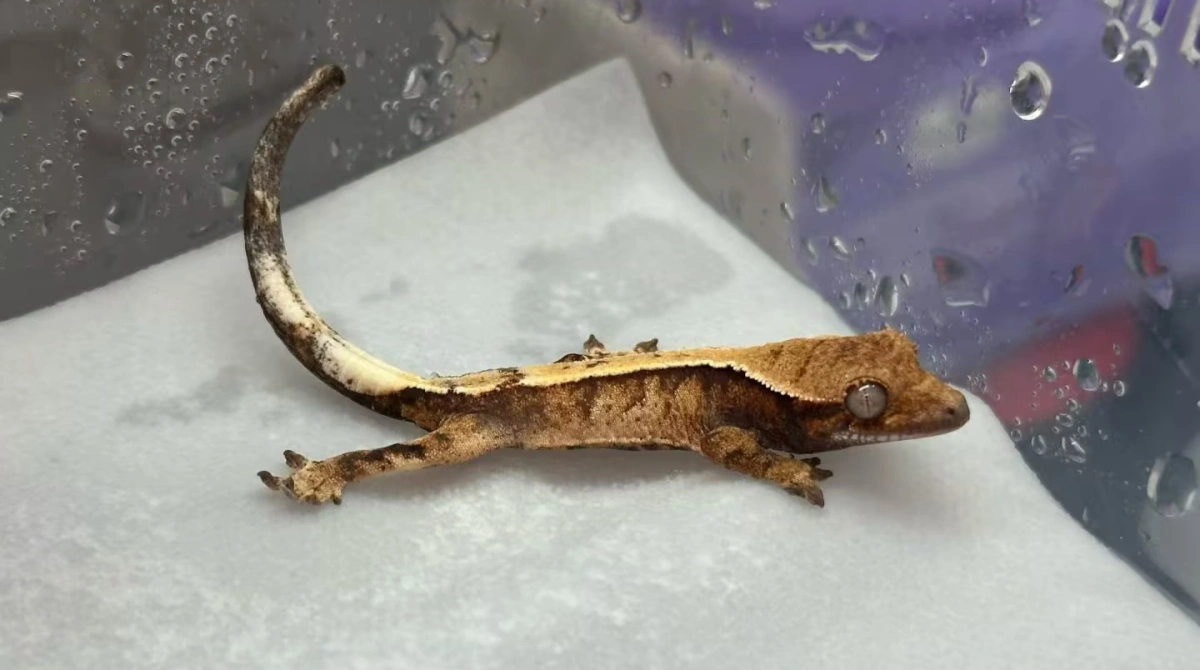
Paper towels shed fibers. Every wipe leaves lint behind. On a white surface you don’t see it, but it’s there—building up in corners, getting wet, becoming a bacterial growth surface. Dogs lick their paws after walking on kennel floors and they ingest those fibers. Groomers wipe down a table and the next dog’s coat picks up lint from the surface. It’s a slow-burn hygiene problem that most facilities don’t notice until they switch to a low-lint product and suddenly realize how much debris their old towels were leaving behind.
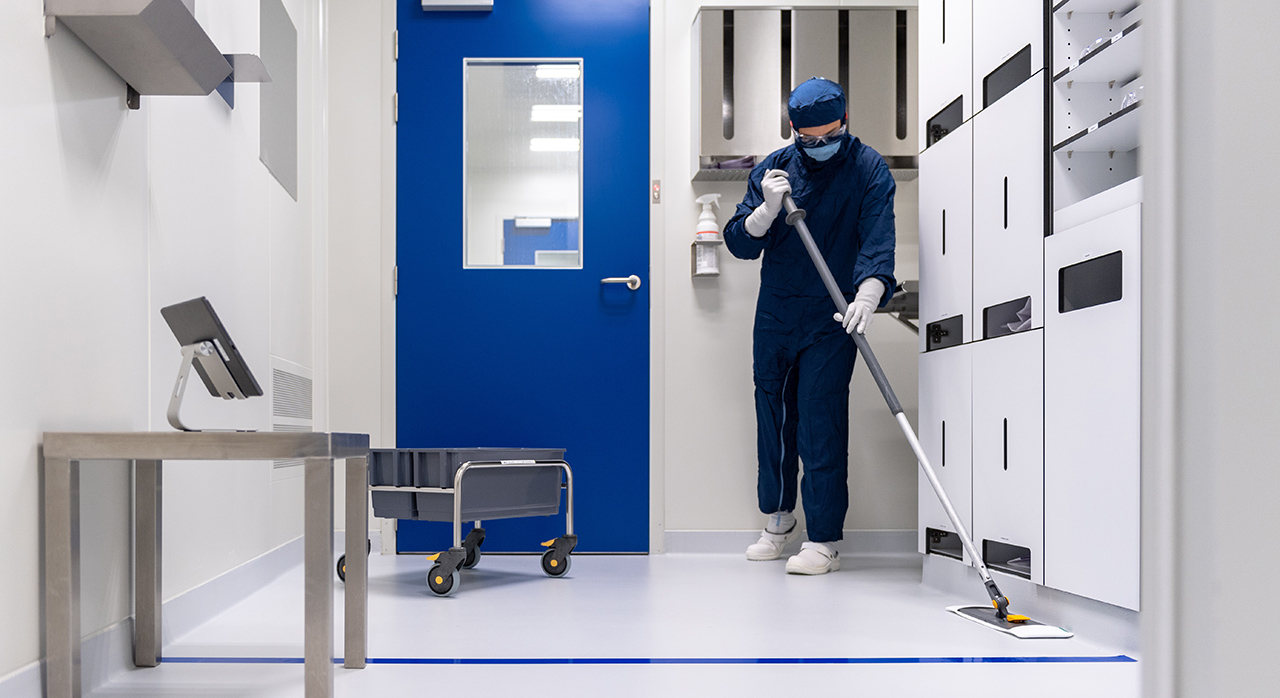
The L40 isn’t lint-free in the cleanroom sense—it’s an absorbent industrial sheet, not a semiconductor wipe. But the fiber shedding is dramatically lower than standard paper towels. If you wipe a dark kennel tray with it and look at the surface afterward, you won’t see white fibers. That’s the difference.
Odor
Pet urine smells worse as it dries. A trash bin full of urine-soaked paper towels in the corner of a grooming reception or vet lobby is a client experience problem. The L40’s fiber structure locks liquid inside the sheet rather than leaving it on the surface, so used sheets contain odor at the point of contact. Your bin still needs emptying, but it doesn’t reek between trash runs.
Who Uses It: Kennels, Clinics, Groomers, Shelters, Homes
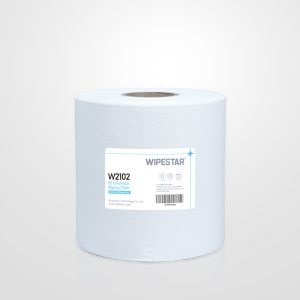
Boarding kennels are our biggest pet-care segment. High volume, constant urine cleanup, staff need sheets at arm’s reach. Most kennels use the P3101 roll on a floor-standing dispenser—tear off a sheet one-handed while the other hand holds a leash or opens a gate.
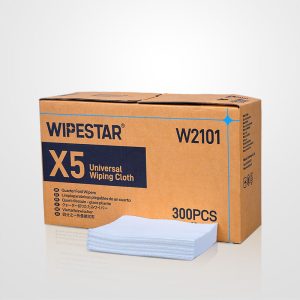
Veterinary clinics use the P3102 fold format—pre-folded sheets, grab one without touching the rest, 56 sheets per pack, 18 packs per case. Clinics care about cross-contamination between patients, and the fold format keeps unused sheets clean. The L40 is food-contact certified, so it’s safe around exam surfaces and feeding stations.
Grooming shops need fast wipe-downs between animals—water, shampoo, accidents. Most use the P3101 roll at the bathing station and a P3102 fold pack at each grooming table. The low lint means no fibers stuck to wet coats, which saves the groomer an extra brushing step and keeps clients from asking “what’s that white stuff on my dog?”
Animal shelters run on donation budgets. A single P3101 roll replaces three or four standard paper towel rolls for the same cleaning workload. The money saved on consumables goes straight back to animal care—more food, more medical supplies, more kennel capacity.
Pet owners at home are a growing segment. Puppy training, senior pet incontinence, litter box messes, the back-door paw wipe. If you’re going through a kitchen paper towel roll every few days on pet cleanup, the L40 is a direct upgrade—fewer sheets per incident, less trash, less smell in the bin.
What It Actually Costs (Hint: Less Than You’re Spending Now)
The L40 costs more per sheet than the paper towels at the supermarket. We’re not going to pretend otherwise. But you’re not buying fewer sheets—you’re buying fewer sheets per cleanup. And that changes the math completely.
| Standard Paper Towel | L40 Efficient Wiping Paper | |
|---|---|---|
| Sheets per urine cleanup | 3–5 | 1 |
| Absorption per sheet | ~40 ml | ~250 ml |
| Survives scrubbing | No | Yes |
| Lint on surfaces | Heavy | Minimal |
| Cleanup time per incident | 60–120 sec | 15–30 sec |
A kennel with 30 runs cleaned four times daily typically sees a 40–60% drop in monthly consumables spending after switching. The bigger number is labor: when each cleanup takes 20 seconds instead of 90, your staff gets back real hours every week. Hours that go to animal care instead of floor mopping.
Roll or Fold: Which One for Your Facility
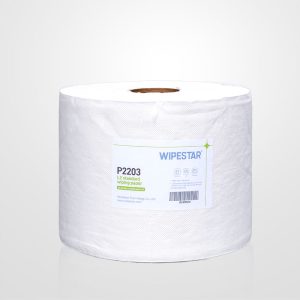
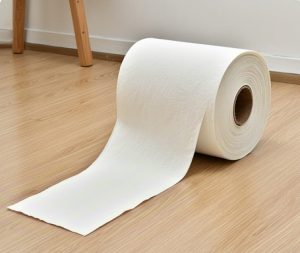
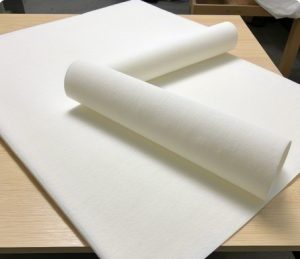
P3101 Roll — 750 sheets per roll, 1 roll per case. Best for high-volume areas: kennel floors, cleaning stations, bathing areas. Works on standard floor-standing or wall-mounted dispensers. Tear off one-handed.
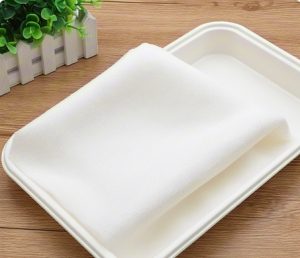
P3102 Fold — 56 sheets per pack, 18 packs per case. Best for clinical and client-facing areas: exam rooms, grooming tables, reception. Pre-folded for single-sheet grab, keeps unused sheets clean.
Most pet facilities use both. Rolls in the back-of-house, fold packs up front and in treatment areas.
Who You’ll Talk to at WIPESTAR
We work with pet care businesses in over 40 countries. Here’s who picks up the phone.

Vicky — Foreign Trade Sales Supervisor
Vicky handles international pet care and veterinary accounts. She knows the rhythm of boarding operations—consumables can’t run out, product switches can’t disrupt shifts, and trial orders need to ship fast. She’ll help you pick the right format and set up a supply schedule that works.

Daisy — Sales Support
Daisy coordinates samples and trial orders. Want to test the L40 before committing? She’ll get a case out the door quickly and follow up to see how it’s working for your specific cleanup challenges.

Guan — Cleanroom Consumables Sales Specialist
Guan works with facilities where surface cleanliness matters—vet clinics, grooming operations, boarding kennels where lint control and hygiene compliance are part of the daily standard. If your facility has specific cleanliness requirements, Guan can walk you through the product specs.
Try It in Your Facility
Send us your facility type and we’ll ship a trial case. No commitment, no minimum. You’ll know within a week whether the L40 works for your cleanup workflow—and we’re pretty confident it will.
Browse our wiping paper range or contact our team to get started.
Frequently Asked Questions
Request a Quote
ISO 9001:2015 certified factory. Roll and fold formats, private labeling, custom sheet sizes for bulk orders. Fast shipping to pet care businesses worldwide.