English
 Chinese



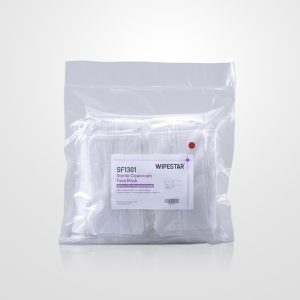
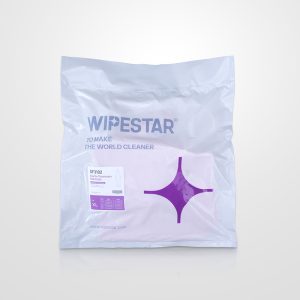
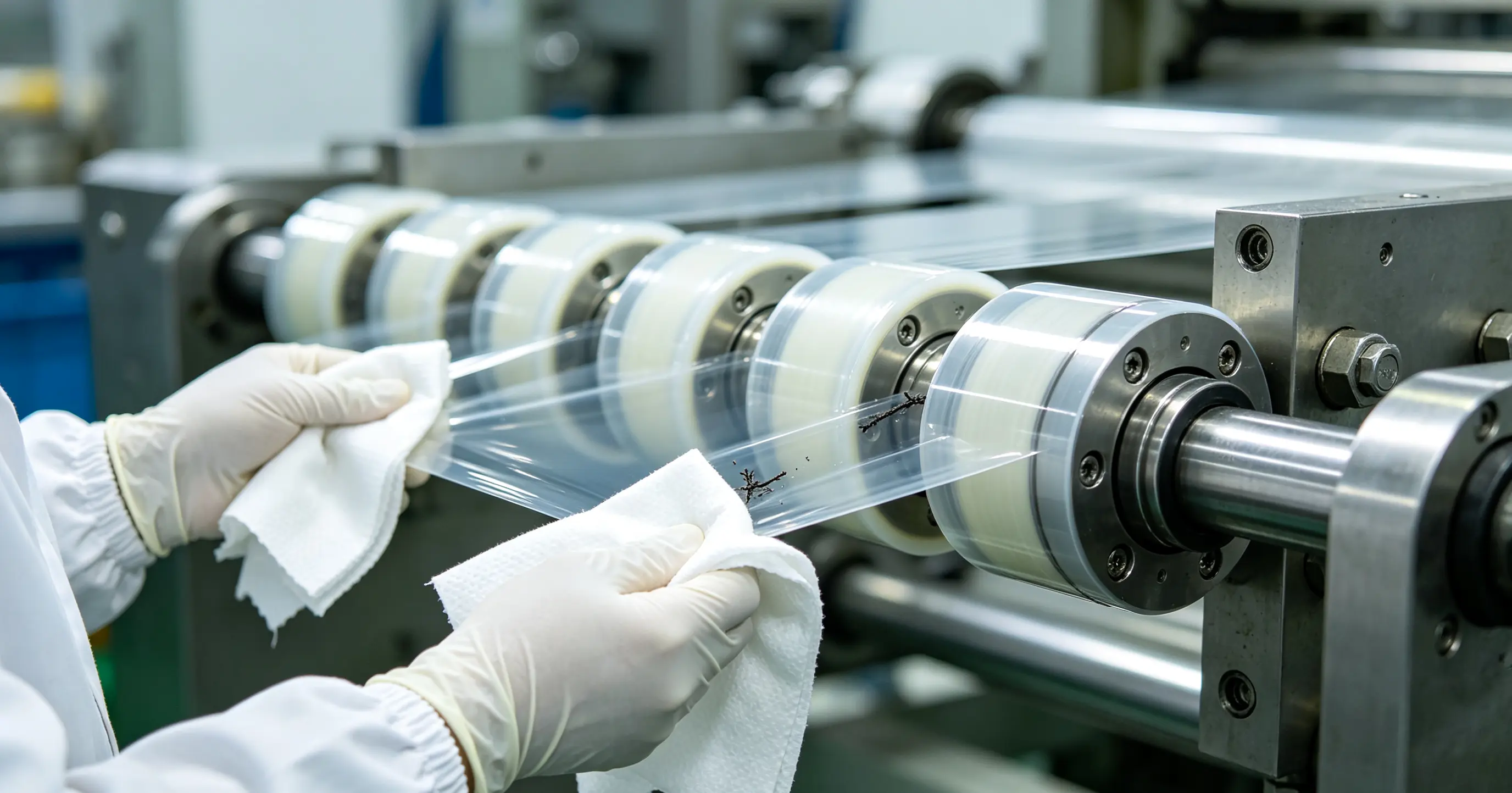
Last March, a PET sheet extruder in Jiangsu lost an entire shipment—rejected at the customer’s dock. The problem? Tiny black particles scattered randomly across the thermoformed trays, embedded right in the PET surface. Turned out the operators had been wiping the extrusion die lips with standard industrial rags during changeovers. Those rags were shedding carbonized fibers onto the die surface, and as the molten PET passed through, every single fiber got locked into the sheet. One consumable change—sealed-edge, low-lint, heat-resistant wipes—and the reject issue vanished overnight.
That story isn’t unusual. I’ve walked through dozens of packaging plants where the wipe sitting next to the extrusion line is the same rag used for general maintenance. And in food packaging, that’s not just a quality problem. It’s a food safety problem.
If you’re running a packaging film extrusion line, a thermoforming operation, or a container manufacturing facility—or you’re the QA manager responsible for keeping those lines clean—this guide covers what you actually need to know. Die lip wipe specs, anti-static requirements, FDA/EU compliance, and the mistakes that cost real money.
Your Product IS the Package — That Changes Everything
Think about what your production line actually makes. The PET tray holding a ready meal. The PE film wrapping a snack bar. The PP container for yogurt. These aren’t products that later get packaged—they are the package. Every surface is a food-contact surface by definition. So any contamination in the material itself becomes a food safety issue, not just a quality reject. That distinction matters a lot when you’re choosing cleaning consumables.
Three things drive wipe selection in food packaging manufacturing, and honestly, most plants I visit get at least one of them wrong:
Food contact compliance. Any wipe used on a surface that touches the packaging material—extrusion die lips, thermoforming molds, embossing rollers, slitting blades—needs to be food-contact safe. This isn’t optional. It’s the same logic that governs the packaging material itself. The wipe is a food contact substance by transitive contact.
Particle and fiber control. Consumers see particles in their packaging. They photograph them and post them online. Sealed-edge, low-lint wipes are mandatory for all product-contact surface cleaning. No exceptions.
Chemical purity. Packaging materials absorb chemicals and transfer them to food. A wipe that leaves surfactant residue on a die lip transfers that residue to the film, which transfers to whatever the film touches. Chemical cleanliness of the wipe is every bit as important as physical cleanliness.
Matching the Wipe to the Process
Extrusion (Film, Sheet, Pipe)
Extrusion is easily the most wipe-intensive process in packaging manufacturing. You’ve got die lips, feed blocks, chill rolls, and edge guides all needing regular wipe-down during changeovers and maintenance. The die lip is the highest-consequence surface—I’ll get into the specifics in a moment. Chill rolls and edge guides need wipes that strip polymer residue without scratching the polished chrome surface. Sounds obvious, but I’ve seen operators grab whatever’s within arm’s reach.
Thermoforming
Thermoforming heats a plastic sheet and forms it into a mold. Anything on that mold surface ends up on the finished container—that’s just how the process works. So your wipe needs to handle residual heat (the mold may still be warm when you’re cleaning it), stay lint-free, and play nicely with your mold release agents. If you’re using silicone-based release, the wipe can’t transfer silicone to non-release surfaces. That’s a cross-contamination problem waiting to happen.
Printing and Laminating
Solvent-based inks, water-based inks, adhesive systems—printing and laminating involve a lot of chemistry. Wiping down printing cylinders, anilox rollers, and laminating nip rollers means your cloth needs chemical resistance to whatever’s in use. And lint-free performance here isn’t just preferred, it’s critical. A single fiber on a printing cylinder becomes a visible streak in the finished film, running potentially thousands of meters before someone catches it.
Slitting and Rewinding
Slitting blades and rewind rolls attract dust, film trim, and static-charged particles. Your wipes need antistatic properties—otherwise you’re just moving particles around, not removing them. And lint-free construction keeps fiber contamination out of the wound roll. This is straightforward stuff, but it’s amazing how many facilities use generic rags for slitting and wonder why their roll quality is inconsistent.
Die Lip Cleaning: The Highest-Consequence Wipe You’ll Ever Use
Here’s the deal with die lips. Molten polymer exits the die at 200–300°C and begins forming your film or sheet. Anything sitting on that die lip—a carbonized fiber, a metal particle from a previous wipe, a chemical residue from the wipe’s manufacturing process—gets embedded in the molten polymer. It becomes part of your finished product. And you won’t find it until the customer does, or until QC catches it downstream after you’ve already produced thousands of meters of defective film.
So what does your die lip wipe actually need?
Heat resistance. Die lips run at 200–300°C depending on the polymer—PE sits around 200–230°C, PET runs 270–290°C, PP lands in the 200–250°C range. Standard wipes melt or degrade above 150°C, which means they’re leaving material on the die surface. You need high-temperature-rated synthetics: PTFE-coated glass fiber, high-temperature polyester, or equivalent materials rated for your actual operating temperature.
Zero fiber release. Sealed-edge construction is non-negotiable. A fiber from a cut-edge wipe that survives on the die lip will embed in thousands of meters of film before anyone notices. By then, you’re looking at a customer rejection and a very uncomfortable conversation.
No chemical residue. Surfactants, softening agents, processing chemicals from the wipe’s manufacturing process can transfer to the die lip and then to the film. Request extractable data from your supplier. If they can’t provide it, that tells you something.
No abrasive particles. Scratches on the die lip create dead spots where polymer stagnates, carbonizes, and eventually breaks free as black particles. Your wipe should clean the surface, not damage it.
One more thing—and this is important: keep your die lip wipes separate from your general maintenance rags. Store them in a clean, sealed container near the extrusion line. I’ve watched operators reach for the same rag bin for everything. That bin contains every contaminant from the maintenance area. Putting those rags on your die lip is putting those contaminants into your product.
Cellulose Wipes and Static: Why They Don’t Belong on a Film Line
Plastic films generate static charge during extrusion, winding, and converting. It’s physics—you can’t avoid it. That static pulls airborne particles toward the film surface, and your cleaning consumables shouldn’t be making the problem worse.
But here’s what happens with cellulose and cotton wipes: they generate triboelectric charge during use. On a film line, that charge attracts particles right back to the freshly extruded surface you just cleaned. And the cellulose fibers themselves? They shed and embed in the molten film during die lip cleaning. You’re introducing contamination while trying to remove it.
For film handling areas, go with wipes that have antistatic or dissipative properties—surface resistivity below 10¹¹ ohms/square. Synthetic wipes with inherent antistatic properties or topical antistatic treatment are the standard across the industry. This isn’t cutting-edge technology; it’s basic practice that too many facilities skip.
Does Your Wipe Actually Qualify for FDA/EU Food Contact?
Your packaging material complies with FDA 21 CFR (Parts 170–199) in the US and EU Regulation 10/2011 in Europe. But what about the consumable you use to clean the surfaces that touch that material? If a wipe contacts a surface that contacts the packaging material, that wipe is a food contact substance. Period.
That applies to all of these:
- Extrusion die lips and feed blocks
- Thermoforming molds
- Printing cylinders and anilox rollers
- Laminating nip rollers
- Slitting blades and rewind rolls
- Any surface the packaging material touches during production
Ask your wipe supplier for a food-contact compliance letter specifying the applicable regulation. That letter should cover the wipe material, all processing aids, and the edge seal material—not just the base fabric. If your supplier can’t produce one, you’ve got a problem. Find one who can.
What Your QA File Needs (Documentation Checklist)
If an auditor walked into your facility tomorrow and asked to see your consumable documentation, would you be ready? Here’s what should be in that file:
1. FDA/EU Food Contact Compliance — A declaration or compliance letter per 21 CFR or EU 10/2011 for every wipe product used on food-contact surfaces. Not a marketing brochure—an actual compliance document.
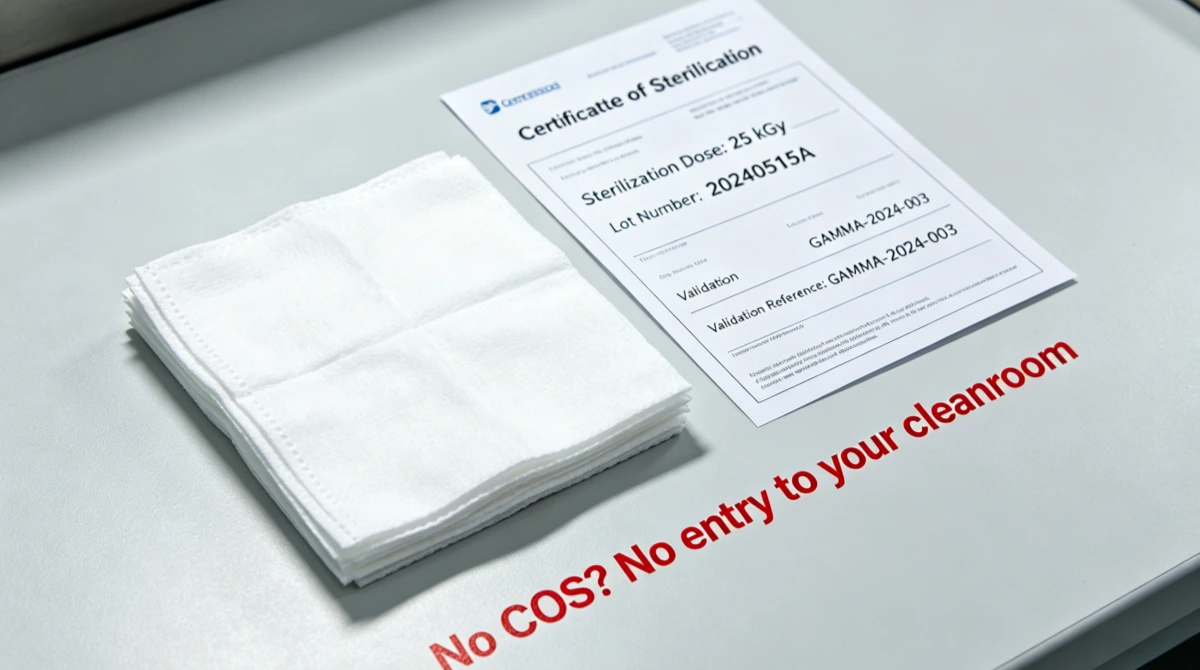
2. Certificate of Analysis — Per-lot data for particle/fiber counts, extractable residue (quantified, not just “low”), and dimensional verification. This is the evidence that what you received matches what you specified.
3. Chemical Compatibility — Verified resistance to your production chemicals: solvents, inks, adhesives, mold release agents. Compatibility testing should reflect your actual formulations, not generic lab conditions.
4. Heat Resistance Data — For die lip and thermoforming mold applications, verified performance at your operating temperature. A wipe rated to 200°C is useless if your die runs at 280°C.
5. SDS — Current, GHS-compliant. Keep it on file and make sure it’s the version for the exact product you’re using, not a similar one.
Packaging Wipe Specs by Process
| Process | Critical Surface | Temp Requirement | Key Wipe Specs | Top Contamination Risk |
|---|---|---|---|---|
| Extrusion Die Lip | Die lip face | 200–300°C | Heat-rated, sealed-edge, zero extractables, non-abrasive | Carbonized fibers, chemical residue |
| Thermoforming | Mold surface | 80–180°C | Heat-resistant, lint-free, mold release-compatible | Silicone cross-contamination |
| Printing | Cylinder / anilox | Ambient | Chemical-resistant (solvents), zero-lint | Fiber defects in print |
| Laminating | Nip roller | Ambient | Adhesive-resistant, lint-free | Adhesion failure from residue |
| Slitting / Rewinding | Blade / roll | Ambient | Antistatic, lint-free | Static-attracted particles in wound roll |
5 Wipe Mistakes That Lead to Customer Rejections
Using standard rags on extrusion die lips. This is the most expensive mistake in the list, and it’s the most common. Cotton and recycled rags shed fibers that embed in molten film. Carbonized fibers show up as black particles—exactly the kind of defect that triggers customer rejections. Use sealed-edge, high-temperature-rated synthetic wipes. Every time.
Skipping food-contact compliance for consumables. Your packaging material has FDA or EU compliance. Your cleaning consumables need it too. A wipe touching a surface that contacts the packaging material is, by definition, a food contact substance. Treat it accordingly.
Cellulose wipes generating static on film lines. Cellulose and cotton wipes create triboelectric charge that pulls particles right back to the film surface. Use antistatic synthetic wipes for film handling areas. This one’s easy to fix and the impact is immediate.
Using the same wipe for die lip and general maintenance. Your die lip wipes should be the cleanest, highest-specification consumable in the facility. Mixing them with general maintenance rags introduces every contaminant from the maintenance area into your product. Separate inventory, separate storage, separate dispensing.
Silicone mold release cross-contamination. Wipes used on silicone-molded surfaces carry silicone residue. If those same wipes touch a printing cylinder or laminating roller, the silicone causes ink adhesion failure or lamination delamination. Zone-segregate by mold release type. Different wipes for different zones.
Who You’ll Work With at WIPESTAR
Our team has worked with packaging manufacturers, film extruders, and thermoforming operations across three continents. We understand the chemistry of food-contact compliance, the physics of die lip cleaning, and the documentation that food packaging QA teams demand.

Ethan — Sales Director
Ethan has over 20 years in the industrial consumables space, including direct experience with food packaging film extrusion and thermoforming operations. He leads our approach to packaging manufacturing accounts—facilities that need FDA/EU food-contact compliance, high-temperature die lip wipes, and anti-static specifications.

Juan — Purification Industry Specialist
Juan specializes in contamination control for precision manufacturing environments. His understanding of particle behavior, static dynamics, and fiber science helps food packaging facilities select wipes that eliminate defects on extrusion lines and thermoforming cells.

Carolina — Product Specialist
Carolina evaluates wipe performance under the conditions food packaging lines actually operate in—high-temperature die lips, solvent-rich printing environments, and static-charged film handling areas. Her work with raw material suppliers ensures verified extractable data and heat resistance certifications for every lot.
Get Started with Food Packaging Manufacturing Wiping Cloths
Whether you’re qualifying wipes for extrusion die lip cleaning, upgrading consumables for food-contact compliance, or solving particle contamination issues on your film line, we can help. Full documentation including FDA/EU compliance, extractable data, and heat resistance verification.
Browse our wiping cloths range or contact our technical team to discuss your packaging manufacturing requirements.
Frequently Asked Questions About Wiping Cloths for Food Packaging Manufacturing
Request a Quote for Food Packaging Manufacturing Wiping Cloths
We supply industrial wiping cloths with full FDA/EU food-contact compliance documentation, extractable data, and heat resistance verification from our ISO 9001:2015 certified factory. Custom sizing and private labeling available. Fast global shipping.