English
 Chinese



One of our contract machining partners in Dongguan runs a production line equipped with 14 CNC lathes and 6 vertical machining centres. Previously, the facility relied on low-cost recycled shop rags sourced locally, allocating a monthly budget of ¥3,200 for surface wiping consumables. The plant maintained a persistent 4.1% scrap rate, dominated by poor surface finishing and dimensional tolerance failures. Our root-cause analysis confirmed 60% of all rejected parts originated from contaminated workholding components. Reused rags left residual oil, loose lint and micro metal swarf on chuck jaws, fixture pins and vise parallels, triggering workpiece slippage and inconsistent clamping — operators frequently misdiagnosed the inconsistency as mechanical equipment faults.
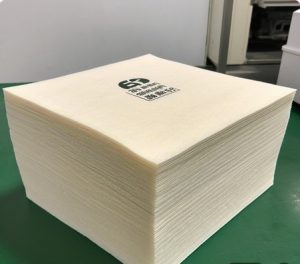
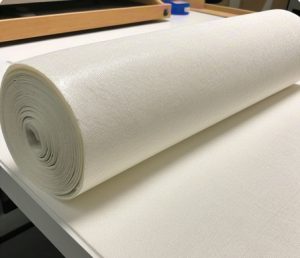
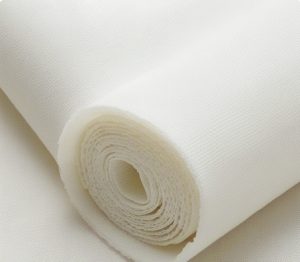
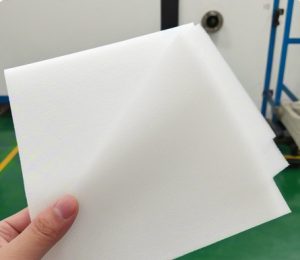
Our team rolled out our dedicated industrial wiping cloths as a full replacement for their recycled rags. While the existing rags cost ¥0.08 per unit, our engineered wipes carry a unit price of ¥0.25. Within just six weeks of implementation, the factory’s scrap rate declined significantly to 1.8%. Based on their standard production throughput, this upgrade delivered monthly scrap cost savings of ¥18,000, easily offsetting the ¥1,500 incremental monthly expenditure on wiping materials.
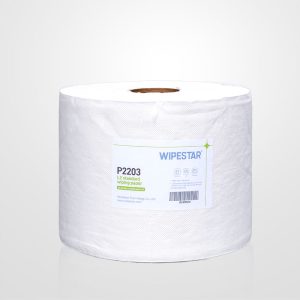
We deliver high-performance industrial wiping cloths to CNC machining workshops, metal fabrication facilities and precision manufacturing operations across Asia and global markets. Our extensive field experience with production facilities worldwide reinforces a critical insight: industrial floor wipes are not merely disposable cleaning supplies. They function as integral production tooling that directly impacts finished component quality, cutting tool service life and overall machine uptime for precision manufacturing.
Why Machine Shops Can’t Use Recycled Rags Anymore
Recycled shop rags have been the default wiping material in machine shops for decades. They’re cheap, they’re available in bulk, and “that’s what we’ve always used.” But recycled rags fail in ways that directly affect your bottom line:
- Unknown contamination — A recycled rag has been used before—in a different machine, with a different coolant, handling a different material. That rag may carry residual silicone from a previous die-casting operation, metal fines from a different alloy, or dried coolant that’s now a grit paste. You’re wiping your precision workholding surface with someone else’s contamination.
- Inconsistent material — Recycled rags are a mix of t-shirt cotton, flannel, denim, towel material, and synthetic blends. Each material has different absorption, different fiber shedding, and different chemical resistance. Your operator grabs a rag and gets a random result every time.
- Fiber generation — Cut or torn rags shed fibers with every wipe. On a precision ground surface, those fibers are dimensional measurement errors. On a workholding surface, they’re part slippage. On a polished mold surface, they’re scratches.
- Hidden costs — The ¥0.08 rag costs nothing per unit. But the scrap it causes, the rework it generates, and the machine downtime it triggers cost more than any engineered wipe on the market. The problem is that these costs are spread across the shop and attributed to “machine accuracy” or “operator error” instead of being traced to the rag.
An engineered industrial wiping cloth eliminates all four problems. Consistent material, known contamination profile, sealed edges for fiber control, and documented specifications that you can build a process around. The per-unit cost is higher. The per-part cost is lower. Every time.
Workholding Surface Cleaning: Where Scrap Rate Lives or Dies
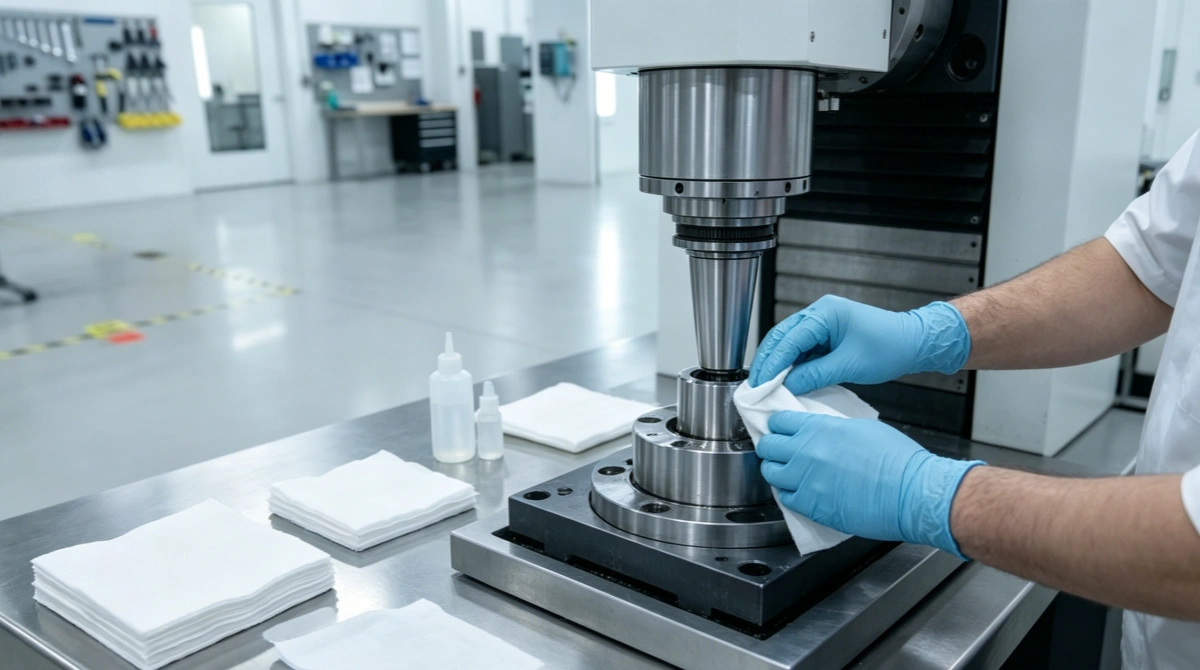
Your workholding system—chuck jaws, vise parallels, fixture locating pins, tombstone faces—is the foundation of your machining accuracy. If the workholding surface is contaminated, every dimension on the part is wrong. Here’s what contamination does at each workholding point:
Lathe Chuck Jaws
Three-jaw and collet chucks grip the workpiece by friction. Coolant residue, metal fines, and oil film on the jaw surfaces reduce the coefficient of friction and allow the part to slip during cutting. On a CNC lathe running aggressive turning parameters, part slippage means a scrapped part, a broken insert, or a crashed spindle. The wipe must remove all residue and leave a clean, dry gripping surface. Use a wipe with enough mechanical action to dislodge packed metal fines from the jaw serrations—standard low-lint cleanroom wipes are too soft for this job.
Milling Vise Jaws and Parallels
Vise parallels support the workpiece and establish the datum surface for machining. A chip, a fiber, or a droplet of coolant under the parallel throws the part off by the diameter of the contaminant. For precision milling (±0.01mm tolerances), a 25μm fiber under a parallel is a dimensional failure. Wipe parallels and vise jaw surfaces with a lint-free, low-residue wipe before every setup. Don’t rely on blowing off with compressed air—air removes chips but doesn’t remove oil film or fibers.
Fixture Locating Surfaces
Production fixtures use dowel pins, diamond pins, and precision-ground locating surfaces to position the part. These surfaces have tolerances of ±0.005mm or tighter. Any contamination—metal fines, dried coolant, finger oil—prevents the part from seating fully in the fixture. The result is a part that’s off-location by the thickness of the contaminant. For production machining, wipe fixture locating surfaces between every part cycle. Use a wipe that removes residue without leaving fibers or chemical film.
Coolant and Cutting Fluid Management: Wipe Selection for Wet Machining
Coolant is the lifeblood of CNC machining—and also the primary source of contamination on every surface it touches. Your wipe is the tool that manages coolant contamination.
Part Wipe-Down Between Operations
Between machining operations (turning to milling, roughing to finishing), the part needs wipe-down to remove coolant film and chips. The wipe must absorb the coolant without leaving fibers on the part surface—those fibers contaminate the next machining operation and affect surface finish. A medium-weight wood pulp/polypropylene blend wipe works well for general coolant wipe-down—high absorption, good wet strength, and reasonable fiber control.
Machine Window and Way Cover Cleaning
CNC machine windows, way covers, and telescoping guards accumulate coolant mist and chip residue. Cleaning these surfaces requires a wipe that handles both oily coolant residue and abrasive metal fines. The wipe must be tough enough not to tear on sharp chip edges but absorbent enough to pick up the oily film. A heavy-duty industrial wipe with high tensile strength is the right choice—don’t waste cleanroom-grade wipes on machine exterior surfaces.
Coolant Tank and Filter Cleaning
During coolant changeover or tank cleaning, the wipe is used to remove sludge, tramp oil, and metal fines from tank walls, baffles, and filter housings. This is the most abusive wipe application in a machine shop—the wipe contacts aggressive coolant chemistry, sharp metal chips, and oily sludge simultaneously. Use a low-cost, high-absorption industrial wipe that you don’t mind disposing of after one use. Save your precision wipes for precision surfaces.
| Application | Wipe Type | Key Requirement |
|---|---|---|
| Workholding surfaces | Low-lint, medium abrasion | Must remove packed metal fines from serrations; leave no fibers |
| Part wipe-down | High absorption, lint-free | Absorb coolant without leaving fibers on part surface |
| Machine interior | Heavy-duty, high wet strength | Withstand sharp chips and aggressive coolant; disposable |
| Metrology surfaces | Lint-free, low-residue | No fibers, no chemical residue, compatible with solvents |
| Tool holder / spindle taper | Lint-free, solvent-compatible | Remove coolant film without leaving residue in taper; prevent corrosion |
Deburring and Surface Finishing: The Pre-Inspection Wipe
After machining and deburring, the part goes to inspection. Before inspection, the part needs a final wipe-down to remove coolant residue, metal fines from deburring, and handling contamination. This is the wipe that determines whether your inspection data is accurate.
On a coordinate measuring machine (CMM), a coolant droplet on the part surface causes the probe to measure the droplet surface instead of the part surface. Metal fines from deburring on a surface plate cause the part to sit high by the diameter of the particle. Finger oil on a precision ground surface affects surface roughness measurement by changing the stylus contact behavior.
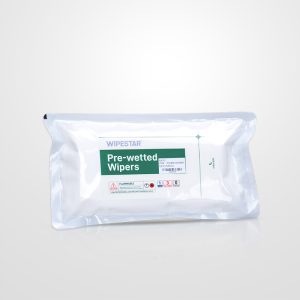
For pre-inspection wipe-down, use a lint-free wipe dampened with a fast-evaporating solvent (IPA or dedicated parts cleaner). The wipe must not leave fibers that the CMM probe picks up as surface features, and must not leave chemical residue that affects surface roughness measurement. A 100% polyester sealed-edge wipe is the best choice for metrology applications—consistent material, no fiber shedding, no chemical extractables.
One precision machining shop in Suzhou was getting inconsistent CMM results on a ±0.005mm tolerance bore. The bore measured 0.003mm oversize on some parts and on-size on others—same machine, same tooling, same program. Root cause: the operator was wiping the bore with a recycled rag before CMM measurement. The rag fibers were settling in the bore and the CMM probe was measuring fiber height, not bore diameter. Switching to a lint-free polyester wipe eliminated the measurement variation entirely.
Machine Interior Cleaning: Way Covers, Chip Trays, and Spindle Tapers
Machine interior cleaning affects machine life and machining accuracy. The wipe you use depends on the surface:
Way Covers and Telescoping Guards
Way covers protect linear guides from chip and coolant contamination. They accumulate packed chips and dried coolant that restrict their movement and eventually damage the way cover seals. Clean with a heavy-duty wipe that can handle sharp chips and aggressive coolant. Don’t use a delicate wipe here—use something tough enough to scrub off packed residue without tearing.
Chip Trays and Auger Compartments
Chip trays collect machined chips and coolant runoff. During weekly maintenance, wipe down chip tray surfaces to remove tramp oil and fine swarf that the chip conveyor doesn’t catch. A high-absorption wipe that handles oily residue is the right choice. This isn’t a precision surface—you need volume absorption, not lint control.
Spindle Taper and Tool Holder Taper
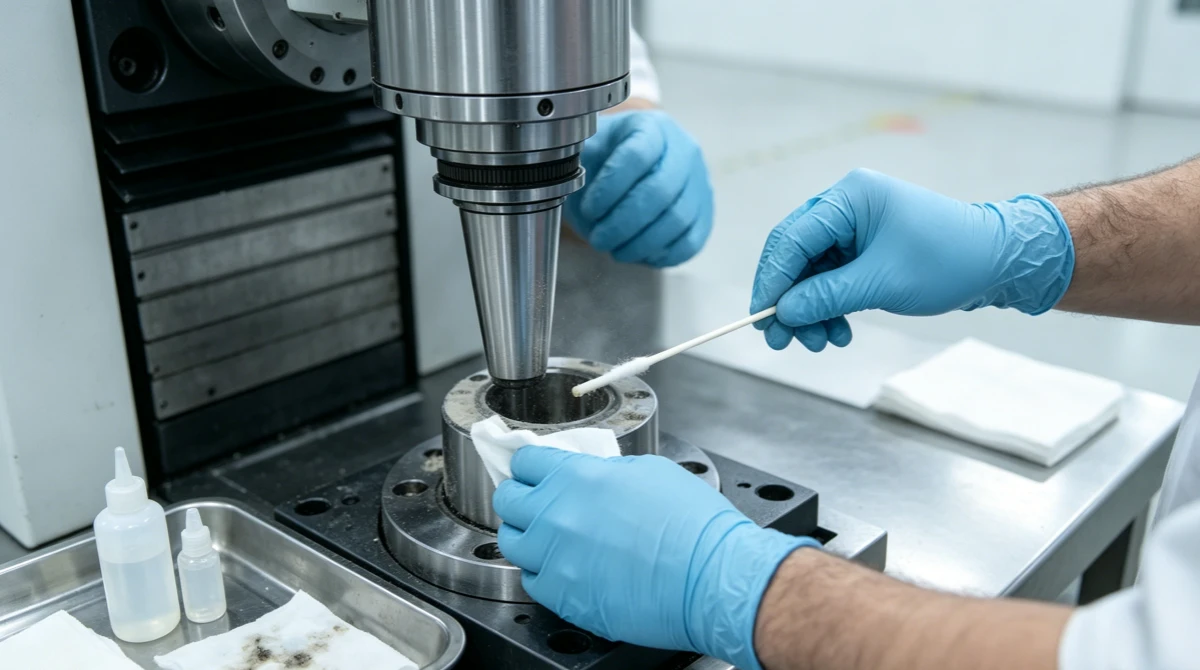
The spindle taper (BT40, HSK-A63, CAT50) is one of the most critical surfaces on the machine. Contamination in the taper—coolant residue, chip fines, or corrosion—prevents the tool holder from seating fully. A 0.01mm contamination layer in the taper causes runout that shows up as poor surface finish, accelerated tool wear, and dimensional inaccuracy. Clean spindle tapers with a lint-free, solvent-dampened wipe that removes all residue without leaving fibers. Inspect the taper surface under magnification after cleaning—any visible contamination means re-clean.
A machine shop in Ningbo was chasing a vibration problem on their VMC for two months. They replaced spindle bearings, checked drawbar force, and balanced the tool holder. The vibration persisted. Root cause: a thin film of dried coolant in the spindle taper that was preventing the tool holder from seating concentrically. A proper taper cleaning with a lint-free wipe and IPA fixed the problem in five minutes.
Metrology and Inspection: When the Wipe Touches Your Measurement Surface
Your metrology equipment—CMM, surface plate, height gauge, micrometer, bore gauge—is only as accurate as the surface it’s measuring. If the surface is contaminated with fibers, oil, or coolant residue, your measurement data is wrong.
Surface Plate Cleaning
Granite surface plates are the datum reference for all dimensional inspection. They must be wiped clean before every use with a lint-free wipe dampened with a dedicated surface plate cleaner or IPA. Never dry-wipe a surface plate—dry wiping generates static that attracts airborne particles. Never use a general-purpose rag—the fibers and oil residue from a recycled rag affect the plate’s surface finish and measurement accuracy over time.
CMM Stylus and Probe Cleaning
The CMM ruby stylus picks up residue from the part surface—coolant, oil, metal fines—during measurement. A contaminated stylus measures the contamination, not the part. Clean the stylus with a lint-free wipe dampened with IPA between measurement runs. The wipe must not leave fibers on the ruby sphere—those fibers become measurement errors on every subsequent part until the stylus is cleaned again.
Precision Gauge Cleaning
Micrometer anvils, bore gauge contacts, and height gauge reference surfaces all require lint-free cleaning before use. A fiber on a micrometer anvil adds the fiber diameter to every measurement. A drop of oil on a bore gauge contact changes the contact angle and gives you a false reading. Use a small, lint-free wipe with IPA for precision gauge cleaning—this is where wipe quality directly translates to measurement quality.
Total Cost per Good Part: The Only Metric That Matters
Machine shop procurement evaluates wipes on unit cost. Shop managers should evaluate wipes on cost per good finished part. Here’s the math for a typical CNC shop:
- Scrap reduction — A shop running 500 parts per day at 4.1% scrap rate loses 20.5 parts daily. At an average part value of ¥50, that’s ¥1,025 per day in scrap. Drop scrap to 1.8% with better workholding surface cleaning and you save ¥575 per day—¥12,650 per month. Your wipe cost increase is ¥1,500 per month. Net saving: ¥11,150 per month.
- Tool life improvement — Contaminated workholding causes vibration, chatter, and inconsistent cutting forces. All three accelerate tool wear. Shops that improve fixturing consistency with better surface cleaning typically see 10–20% longer tool life on carbide inserts. At ¥5,000–15,000 per month in insert costs, that’s another ¥500–3,000 in savings.
- Rework reduction — Surface finish defects from vibration, dimensional errors from part slippage, and CMM measurement errors from contaminated surfaces all generate rework. Rework costs 2–5× the original machining cost per part. Reducing rework by even 1% saves significant money at production volumes.
- Machine downtime — A crashed spindle from part slippage costs ¥10,000–50,000 in repairs and 2–5 days of downtime. Better chuck jaw cleaning with the right wipe is the cheapest spindle insurance you can buy.
Your Machine Shop Consumables Team at WIPESTAR
Machine shop accounts get a team that understands shop floor realities—not cleanroom specs that don’t apply to a machining environment.

Vicky — Foreign Trade Sales Supervisor
Vicky handles overseas machine shop and metalworking accounts with the ordering flexibility that job shop operations demand. Machine shops don’t order on a fixed schedule—they order based on production volume, new contract starts, and seasonal demand. She coordinates rapid turnaround on orders and manages the volume pricing that high-consumption shop floor operations need.

Carolina — Product Specialist
Carolina understands the difference between a wipe for a cleanroom and a wipe for a shop floor. She works with our production team to develop industrial-grade wipes that handle the abuse of machine shop use—sharp chips, aggressive coolants, oily residue—without the premium pricing of cleanroom-grade products. She matches wipe specifications to your specific machining applications and materials.

Zhen — Account Manager
Zhen manages ongoing account relationships and handles the quality follow-up that production environments demand. If your operators report a wipe issue—insufficient absorption, fiber problems, chemical incompatibility with your coolant—he coordinates the investigation and gets you a solution fast. He tracks your consumption patterns and recommends inventory optimization for high-volume shop floor operations.

Guan — Cleanroom Consumables Sales Specialist
Guan handles cleanroom and precision applications within machine shops—metrology room wipes, inspection surface cleaning, and the precision-grade wipes needed for spindle taper and fixture surface maintenance. He understands that a machine shop has both heavy-duty and precision applications, and that each needs a different wipe specification at a different price point.
Meet the full team: WIPESTAR Team Page →
Frequently Asked Questions About Industrial Wiping Cloths for CNC Machine Shops
Request Machine Shop Wiping Cloth Samples
We supply industrial wiping cloths for CNC machine shops and metalworking—workholding surface wipes, coolant-compatible heavy-duty wipes, lint-free metrology wipes, and spindle taper cleaning wipes. ISO 9001:2015 certified production. Free samples for qualified machine shops—test them on your chuck jaws and see the scrap rate difference.
Browse our wiping cloth range →