English
 Chinese




Proper cleaning and disinfection of medical equipment is essential for patient safety and device longevity. This guide provides comprehensive protocols for maintaining various medical devices in healthcare settings.
I. Patient Monitor Cleaning and Disinfection
Cleaning Procedure
-
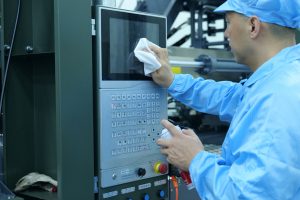
Use a cleanroom wiper dampened with appropriate amount of clean water or 75% ethanol (squeeze out excess);
-
Wipe the display screen;
-
Clean the main unit, modules, or plugin boxes, avoiding the equipment connectors and metal parts;
-
Use a dry cleanroom wiper to remove cleaning agents from equipment surface, and allow the equipment to air dry in a ventilated, cool environment.
ℹ️Notes:
-
Disable touch function when cleaning touchscreen;
-
Power off or lock the touchscreen before cleaning;
-
Do not use strong solvents like acetone or trichloroethylene;
-
Connectors and metal parts may corrode if exposed to cleaning agents.
ℹ️Cleaning of Accessories: Including blood pressure air tubes, SpO2 cables, SpO2 probes, ECG cables:
-
Wipe accessories with a cleanroom wiper dampened with water or 75% ethanol;
-
Remove residual cleaning agents with a dry cleanroom wiper;
-
Allow accessories to air dry in a ventilated environment.
Note: BP cuff fabric covers can be hand-washed with water or mild detergent and air dried.
Disinfection Procedure
ℹ️Follow hospital disinfection protocols for equipment disinfection. Clean equipment before disinfection. Dilute and use disinfectants according to manufacturer's instructions:
-
75% Ethanol solution
-
70% Isopropyl alcohol solution
-
0.5% Sodium hypochlorite solution
-
3% Hydrogen peroxide solution
-
50% n-Propanol solution
-
Surface disinfectant solution
ℹ️Accessories Disinfection: Including blood pressure air tubes, SpO2 cables, SpO2 probes, ECG cables:
-
2% Glutaraldehyde
-
75% Ethanol solution
-
70% Isopropyl alcohol solution
-
50% n-Propanol solution
Note: Cuffs can be disinfected by wiping with a cleanroom wiper dampened with 75% ethanol or 70% isopropyl alcohol.
ℹ️Special Precautions: To avoid equipment damage, avoid these practices:
-
Cables and leads: Do not clean cables and leads with acetone or ketone solutions, do not use autoclave or steam cleaning devices;
-
Blood pressure cuffs: Avoid frequent washing, keep tube ports above water level during washing, prevent liquid from entering the cuff;
-
SpO2 sensor clips are consumable items – handle with care and remove cables from monitor when not in use for extended periods.
II. Defibrillator Cleaning and Disinfection
Cleaning Procedure
ℹ️Recommended cleaning agents:
-
Clean water
-
Sodium hypochlorite (bleaching powder for washing)
-
Hydrogen peroxide (3%)
-
Ethanol (75%)
-
Isopropyl alcohol (70%)
-
Active oxygen disinfectant and sterilant, Level C/D
ℹ️Main Unit Cleaning:
-
Power off, remove battery and disconnect power cord;
-
Use soft cotton balls dampened with cleaning agent to wipe display screen;
-
Use cleanroom wiper dampened with cleaning agent to wipe equipment surface;
-
Use cleanroom wiper dampened with cleaning agent to wipe electrode pad base;
-
If necessary, use dry cleanroom wiper to remove excess cleaning agent;
-
Allow equipment to air dry in a ventilated, cool environment.
ℹ️External Paddle Cleaning:
-
Use cleanroom wiper dampened with clean water or 75% alcohol to wipe paddle surfaces;
-
If necessary, use dry cleanroom wiper to remove excess cleaning agent;
-
Allow paddles to air dry in a ventilated, cool environment or dry with clean cloth.
Disinfection Procedure
ℹ️Recommended Disinfectants:
75% ethanol, 70% isopropyl alcohol solution
ℹ️Main Unit Disinfection:
Follow hospital disinfection protocols for defibrillator disinfection. Clean defibrillator before disinfection.
ℹ️External Paddle Disinfection: Disinfection may cause some damage to paddles. Only disinfect when deemed necessary by hospital maintenance schedule. Clean paddles before disinfection:
-
Clean paddles before disinfection;
-
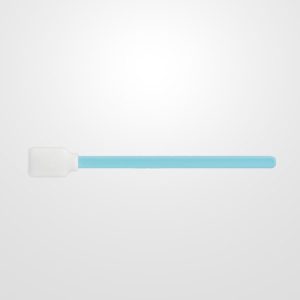
Use cotton swab or cleanroom wiper dampened with disinfectant to clean paddles;
-
Remove residual disinfectant from paddles with water-dampened cleanroom wiper;
-
Allow paddles to air dry in a cool environment.
III. Ventilator Cleaning and Disinfection
Cleaning Procedure
ℹ️Wiping: Use cleanroom wiper dampened with mild alkaline cleaner (soapy water, etc.) or alcohol solution, then dry with a dry cleanroom wiper.
ℹ️Soaking: First rinse with clean water, then soak in mild alkaline cleaner solution (recommended water temperature 40°C) for about 3 minutes, finally rinse thoroughly with clean water and air dry.
ℹ️Note:
● To reduce risk of electric shock, power off the ventilator and disconnect from AC power before cleaning
● If display or machine housing has blood stains, oil stains or other contaminants, use cotton swab dampened with small amount of disinfectant to clean, avoid liquid entering screen gaps, finally wipe dry disinfectant with cloth.
Disinfection Procedure
ℹ️Wiping: Use cleanroom wiper dampened with medium or high-level disinfectant solution, then dry with dry cleanroom wiper.
ℹ️Soaking: Soak in medium or high-level disinfectant solution (recommended soaking time >30 minutes), then rinse thoroughly with clean water and completely air dry.
ℹ️Steam pressure: High-temperature high-pressure steam disinfection (temperature 134°C), recommended disinfection time 10-20 minutes.
ℹ️UV light: UV radiation disinfection, recommended time 30-60 minutes.
ℹ️Special Precautions: To avoid equipment damage, avoid these practices:
-
Never attempt to clean, disinfect or sterilize components while ventilating patient;
-
Do not let chemicals drip into system openings and connectors;
-
Do not use abrasives, sharp tools or any methods that may damage component surfaces;
-
Do not exceed 134°C during sterilization;
-
Do not clean inspiratory safety guards.
IV. Ultrasound Equipment Cleaning and Disinfection
Cleaning Procedure
-
For ultrasound equipment surface cleaning, use neutral soap solution containing no corrosive ingredients like fragrances, oils or alcohols;
-
For display cleaning, use display-specific cleaners.
Disinfection Procedure
-
For main unit housing, probes, probe cables, display and touchscreen, use quaternary ammonium compounds or hydrogen peroxide-based disinfectants for wipe disinfection;
-
For other parts, use quaternary ammonium compound-based disinfectants for wipe disinfection.
ℹ️Notes:
-
Wear gloves and protective eyewear when disinfecting;
-
Be careful not to let disinfectant flow or splash into control panel gaps or probe sockets;
-
Before cleaning/disinfecting machine, power off and disconnect main cable;
-
Before cleaning/disinfecting probes, disconnect probes from machine;
-
Quaternary ammonium compound-based disinfectants cannot be used on probe acoustic lens, probe cables, main unit display, or touchscreen.
ℹ️Special Precautions: To avoid equipment damage, avoid these practices:
-
Never use thinners, benzene, ethanol, methanol, scrubbing agents or other strong solvents as they may damage cabinet or display panel. Do not use isopropyl alcohol unless specified;
-
Do not steam or high-temperature sterilize equipment components;
-
Do not ultrasonic clean, boil or autoclave probes;
-
Do not let probe connectors contact moisture or liquid;
-
When soaking probes, do not exceed specified immersion depth, never immerse probe connectors or adapters in any liquid;
-
Do not soak probes in chemical sterilants longer than specified in sterilant instructions, excessive soaking may cause probe damage and premature housing failure, creating shock hazard;
-
Avoid mechanical impact and compression of transducers, do not forcefully wrap or drag cables;
-
Do not soak probes in solutions containing alcohol, bleach, ammonium chloride or hydrogen peroxide;
-
Do not let probes contact solutions containing mineral oil or lanolin;
-
Cleaning/disinfection temperature should not exceed 60°C.
V. DR/Endoscope/X-ray Machine Cleaning and Disinfection
Cleaning Procedure
-
Enameled parts and aluminum surfaces can be wiped with damp cloth and mild detergent, then dried with dry woolen cloth. Never use corrosive cleaners, solvents, corrosive detergents or corrosive polishes;
-
Chrome parts should only be wiped with dry woolen cloth. Do not use abrasive polishes. Clean plastic surfaces only with soap and water;
-
Any standard glass cleaner can be used on touchscreens. Spray glass cleaner on cloth or towel then wipe touchscreen – dust and fingerprints do not affect properly sealed touchscreen operation.
ℹ️Notes:
-
If uncertain of cleaner properties, do not use;
-
Use non-abrasive wax to protect surface coating;
-
For chrome parts, other detergents (e.g., high concentration alcohol) will cause loss of shine and easy cracking;
-
For touchscreens avoid ammonia-containing products;
-
Remove liquid drops promptly to prevent touchscreen malfunction.
Disinfection Procedure
-
Disinfection methods must comply with statutory regulations and guidelines on disinfection and explosion protection. These product parts, including accessories and connection cables, can be disinfected by wiping with cloth dampened with appropriate disinfectant;
-
Never use corrosive, dissolving disinfectants or sterilants. If uncertain of disinfectant or sterilant properties, do not use;
-
Never use flammable or explosive disinfectant sprays. These sprays produce ignitable vapors, causing severe or fatal personal injury. Spray disinfection of medical product rooms is not recommended as vapors may penetrate products causing electrical shorts, metal corrosion or other damage;
-
If using non-flammable, non-explosive sprays, first power off product and let cool. This prevents convection drawing spray into product. Completely cover product with plastic sheet before spraying. Only remove plastic after all vapors dissipate, then disinfect or sterilize product itself as described above. If using spray disinfection, ensure all vapors have dissipated before powering product back on.
ℹ️Related Accessories Cleaning and Disinfection:
Wireless Flat Panel Detector
Clean and disinfect flat panel detector after each patient contact and before returning to charging dock. When conditions allow, recommend using disposable sterile medical protective cover.
Chest Stand
Recommend disinfecting patient-contact areas of chest stand handrails and flat panel detector housing between patients. When conditions allow, recommend using disposable sterile medical protective cover.
Scanning Bed
Recommend disinfecting scan bed surface and frame between patients. When conditions allow, recommend using disposable sheets to cover scanning bed.
Mammography Gantry
Recommend disinfecting patient-contact areas like gantry handrails and head covers between patients.
Breast Compression Plates and Support Components
Recommend disinfecting breast compression plates and support components between patients.
ℹ️Note: Never immerse entire compression plate or breast support in any liquid.
About Us
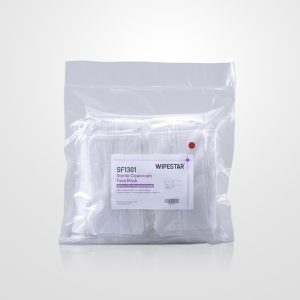
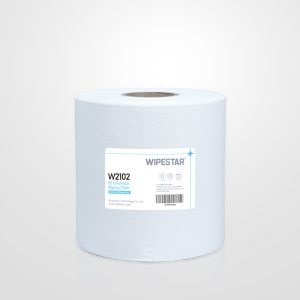
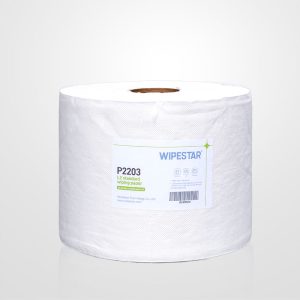
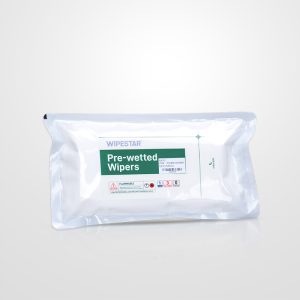
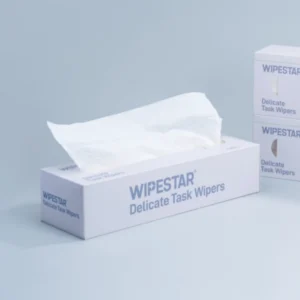
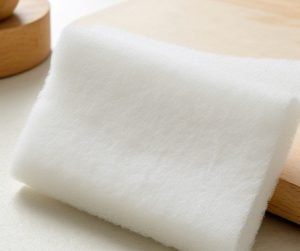
For reliable cleaning performance in medical environments, Wipestar cleanroom wipers offer lint-free, highly absorbent solutions compatible with standard cleaning agents and safe for sensitive medical equipment surfaces.