English
 Chinese



I once watched a medical device plant lose three days of a customer audit over a squeeze bottle. Not the product — the product was excellent. The auditor’s issue was the beat-up, half-evaporated bottle of 70% IPA living on a cart inside the Class 8 assembly room: undated, unreferenced in the cleaning SOP, poured over dry wipes at whatever amount the operator thought “wet” meant, by people working ten inches from exposed electronic subassemblies. Every residue record was fine. The method behind those records was the problem.
The fix wasn’t dramatic. The plant split its cleaning task list in two: the consistency-critical wipes moved to factory pre-wetted packs, and the open bottle disappeared from the room. Bulk, low-risk work stayed on dry cloths. Within a quarter, shift-to-shift residue data tightened, and the solvent exposure readings by the line dropped because nobody was decanting alcohol in the room anymore.
That’s the honest way to read the pre-wetted versus dry debate. It isn’t a product cage match with a winner. It’s a question of which tasks can’t afford human variance, and which ones shouldn’t pay to eliminate it. This guide maps both sides so your SOP assigns formats by task instead of by habit.
What “Pre-Wetted” Actually Controls — and What It Doesn’t
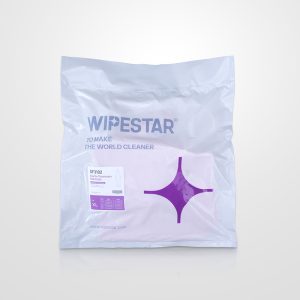
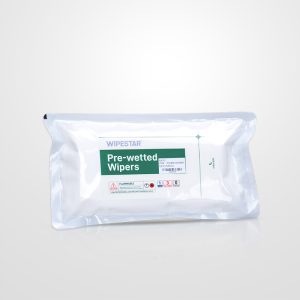
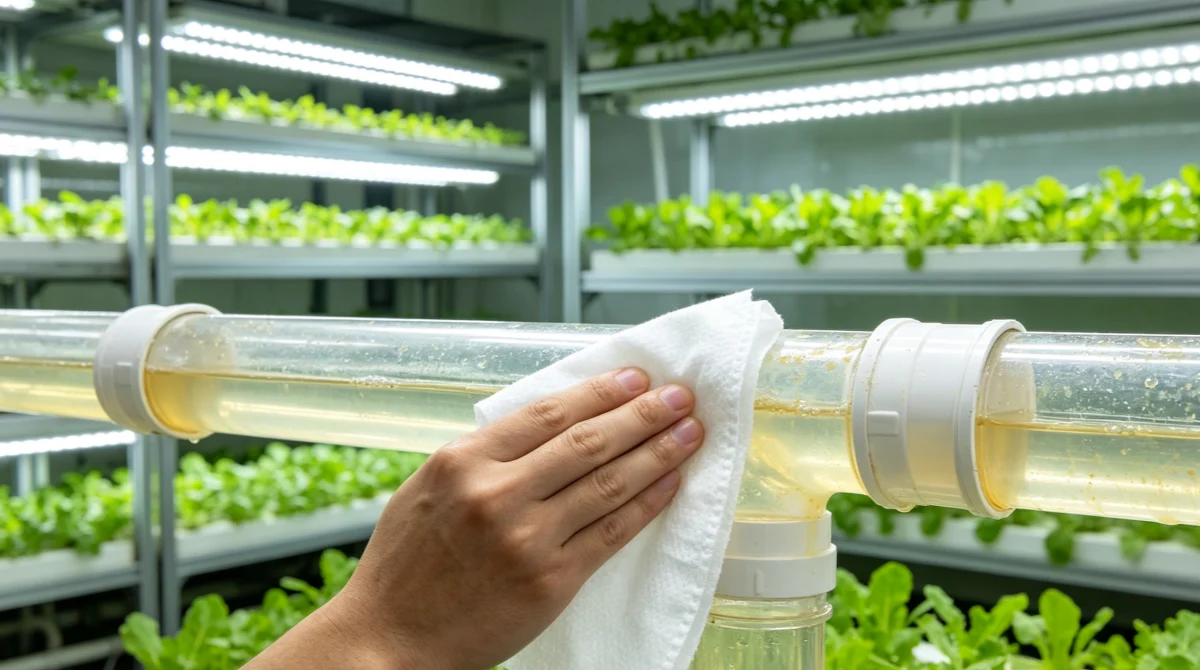
A dry wipe wetted at the bench and a pre-wetted wipe can carry identical chemistry — usually 70% isopropyl alcohol and 30% deionized water. The difference is where the variables live. Bench wetting inherits all of them: the age of the bottle, how tightly it was recapped, the pour angle, what “damp” means to the person on shift, and how clean the bottle neck was. Factory pre-wetting removes those variables by design: the G2101 pre-wetted cleanroom wipes are 100% polypropylene with sealed edges, saturated with USP-grade 70/30 IPA/DIW that’s filtered to 0.2µm, delivered at a defined loading pack after pack, and specified for ISO Class 3–7 / Grade A–D environments.
That matters because cleaning verification measures outcomes, and outcomes inherit method variance. When residue swabs or contact plates drift between shifts, the first thing a good investigator compares isn’t the wipe lot — it’s the wetting practice. The pre-wetted format turns “how much solvent did that operator apply?” into a question nobody has to ask.
Be clear-eyed about the trade-off, though. Pre-wetting only controls the dose; it doesn’t make an operator wipe in the correct direction, fold to a clean face, or respect contact time. A metered wipe used badly is still used badly. The format removes chemistry and dosing variance. Technique stays your job.
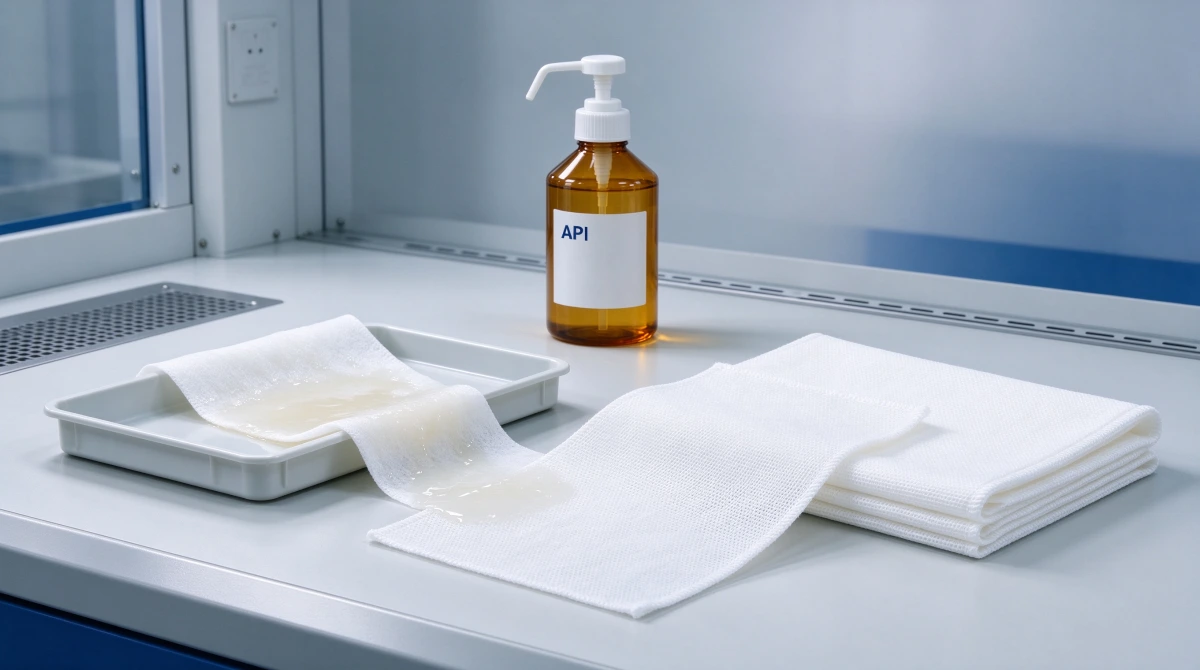
The Case Nobody Mentions: Solvent Exposure and Open Containers
The audit story isn’t really about wiping — it’s about an open flammable solvent container in a classified room. Two regulatory realities sit behind that finding.
First, worker exposure. OSHA’s permissible exposure limit for isopropyl alcohol is 400 ppm as an 8-hour time-weighted average; a cart-top bottle decanted repeatedly through a shift pushes local air concentration up for exactly the person standing over it. Pre-wetted packs release a fraction of that vapor because the solvent stays sealed until a sheet is pulled. Second, fire code: NFPA 30 treats IPA as a flammable/combustible liquid, and open dispensing in occupied rooms invites storage-limit and dispensing-control findings that have nothing to do with GMP and everything to do with your fire marshal. Sealed packs sidestep the whole category.
Tasks That Belong on Pre-Wetted Wipes
- Product-adjacent and critical surfaces. Sensors, optical elements, filling tooling, guide rails that touch product paths — anywhere consistent solvent loading and low ionic/non-volatile residue matter.
- High-frequency cleaning cycles. When a station gets wiped dozens of times per shift, removing the bottle-and-pour decision from every cycle compounds across the whole operation.
- Rooms where open solvent is a finding. Sealed, re-sealable packs mean no decanting, no bench bottle, no vapor source beside critical zones.
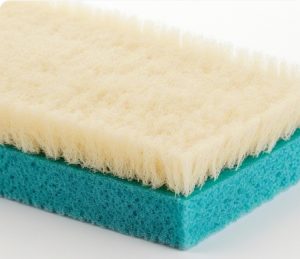
- Heavy grime and adhesives. IPA isn’t always the chemistry the job wants. The G1202 scrubbing wipes use a surfactant formulation on a double-sided sheet — textured side for grease, tar, ink and cured adhesive, smooth side for the finish pass — dispensed from a centerfeed bucket that keeps the stack covered.
- Aseptic interventions. A wipe entering a Grade A/B space has to be sterile and its chemistry has to be controlled. The SG2202 sterile pre-wetted wipers answer both questions with one item, which also reduces object count crossing the grade boundary.
Tasks That Belong on Dry Wipes
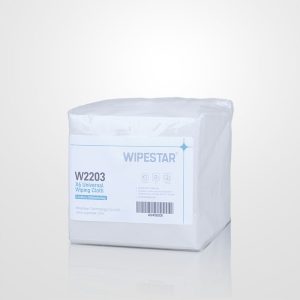
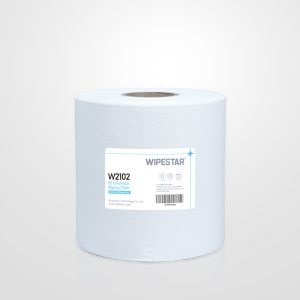
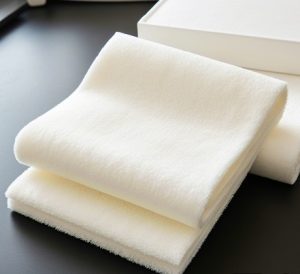
- Absorption first, cleaning second. Soaking up pooled liquid is a capacity problem. An already-saturated pre-wetted sheet can’t absorb; a dry universal cloth like the W2203 outperforms it by definition.
- Large-area and volume work. Bench tops, equipment exteriors, walls, floors, changeover wipe-downs — dry formats cover square meters without paying for solvent on every stroke.
- Task-specific chemistry. Some residues call for DIW, some for a named cleaner, some for IPA at a strength your operation controls. Dry wipes plus a closed, documented dispensing system preserve that flexibility.
- Cost-sensitive, low-risk zones. Packaging rooms, corridors, maintenance bays — places where no verification record depends on the wipe’s solvent loading.
- Sterile dry applications. Where solvent is applied separately or not at all, a sealed-edge sterile polyester like the SWP2402 keeps particle and fiber release controlled without bundling chemistry you don’t need.
Side-by-Side: The Formats and Where They Land
| Format | Key Specs | Strength | Assign It To |
|---|---|---|---|
| G2101 Pre-Wetted | 100% PP, sealed edge, 23×28cm, USP 70/30 IPA/DIW, 0.2µm filtered | Dosed, filtered chemistry; no open bottle | Critical surfaces, ISO 3–7 / Grade A–D routine wiping |
| G1202 Scrubbing | 27×27cm, surfactant formula, double-sided, centerfeed bucket | One-step lift of grease, ink and adhesive | Maintenance, machinery, heavy soil |
| SG2202 Sterile Pre-Wetted | 200gsm microfiber, 9″×9″, gamma-irradiated, USP IPA/DIW | Sterility plus dosing control in a single item | Aseptic interventions, Grade A/B |
| W2203 Universal Cloth | 30.5×30cm, dry, high coverage per sheet | Absorbency and per-sheet economics | Volume wiping, spills, general surfaces |
| SWP2402 Sterile Polyester | 140gsm double knit, 12″×12″, heat-sealed edge | Low particle/fiber release in a dry format | Sterile dry wiping of sensitive equipment |
Writing the Split Into the SOP — Storage and Shelf Life Included
The program that survives an audit is a written task map, not a purchasing preference. Walk every cleaning task in the facility, classify each one as consistency-critical or volume/general, assign a SKU, and name the solvent where a dry wipe is used. “Approved wipes” is not an assignment; a part number plus a chemistry is.
Storage belongs in the same SOP. Pre-wetted packs want stable temperature away from direct heat and sunlight, the re-sealable closure shut between uses, and FIFO rotation against labeled shelf life — solvent acts on substrates slowly, so end-of-life packs get checked rather than assumed. Dry formats need dry storage and clean, covered dispensing; once the inner pack is open to a dirty room, the contents are only as clean as the container. Where bench wetting genuinely remains, the SOP should specify a closed dispensing system, labeled bottles with open-date fields, and defined discard intervals.
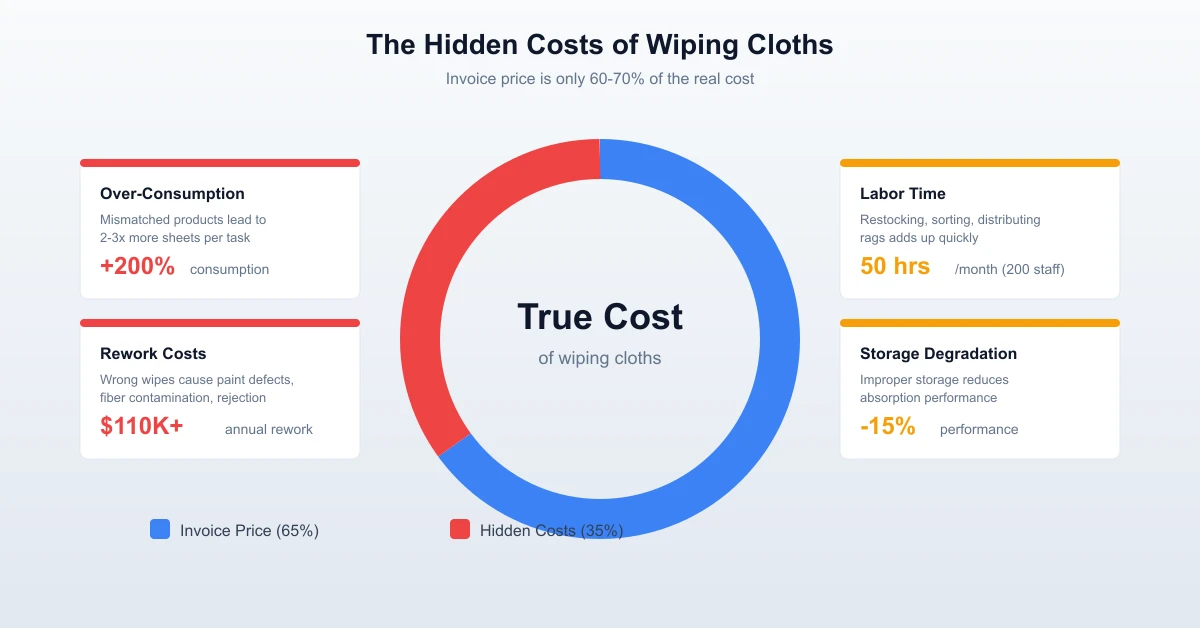
Cost lands where you’d expect once the ledger is complete: pre-wetted carries a solvent-and-processing premium per sheet but removes bottles, evaporation waste, re-cleans and exposure-management work; dry formats win outright on bulk and low-risk tasks. Want help building the task map? Send us the cleaning task list and we’ll spec the split — the full range is in the pre-wetted wipes catalog.
Who You’ll Work With at WIPESTAR
We make both formats, so the recommendation starts with your task list instead of a category page quota. These are the people who usually build the split with customers.

Carolina — Product Specialist
Carolina works with production technicians on how substrates and saturation behave in real use, then drives material and process improvements back through suppliers. Saturation, NVR and compatibility questions land on her desk.

Lee — Key Account Sales Manager
Lee has served accounts including Foxconn, Samsung and Apple since 2018 and runs multi-site programs where the pre-wetted/dry assignment has to read identically on every line, everywhere.

Zac — Customer Service
Zac turns side-by-side sample requests around quickly, so teams can trial both formats on the actual task before the split goes into the SOP.
Get Started with the Right Wipe Format
Whether you’re closing an audit finding, tightening shift-to-shift data, or settling the wet-versus-dry argument with a written task map, we can supply samples of both formats with their specification packages.
- G2101 Pre-Wetted Wipes — metered, filtered chemistry for critical surfaces.
- W2203 Universal Cloths — dry volume work and liquid pickup.
- Request a Technical Consultation — send the task list; we’ll map the split.
Browse Pre-Wetted Wipes → Request a Custom Quote
Frequently Asked Questions