English
 Chinese



When I think about the wipes that get ordered most consistently across our global customer base — the ones that show up on reorder lists without anyone asking why — the W1501 Multi-Purpose Wipes Foldable sits near the top. It’s not the most expensive wipe in our range. It’s not the most specialized. What it is, is the wipe that consistently earns its place because it handles the majority of daily surface cleaning tasks better than alternatives without the cost or complexity of a more specialized product.
Over twenty years in this industry, I’ve watched a lot of wiping products come and go. The ones that stick are the ones that solve a real, recurring problem without creating new ones. The W1501 is one of those products — and I think it’s worth explaining exactly why, because the reasons are more specific than most product descriptions manage to convey.
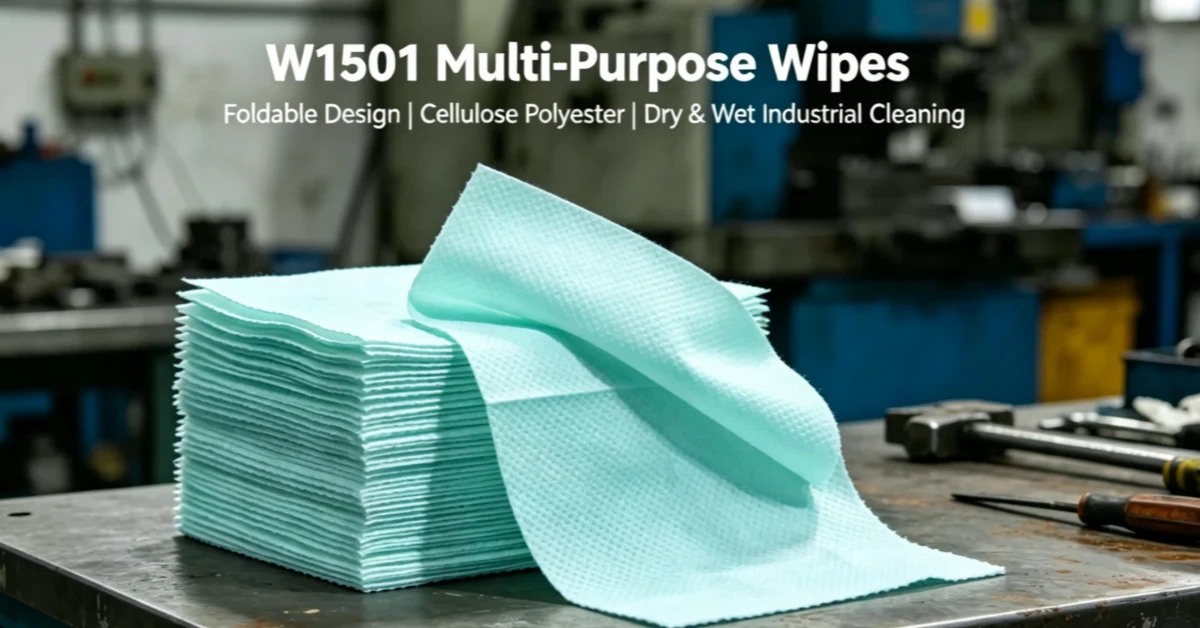
What Makes the W1501 Different: The Foldable Format
Most surface wipes come in one of two formats: loose stacks of flat sheets, or continuous rolls. Both have genuine limitations that the quarter-fold format addresses directly.
Loose flat sheets in a box are convenient, but once the box is open, every sheet in it is exposed to the ambient environment until it’s used. In a busy production environment, that’s an exposure window that accumulates contamination over hours or days of use. Continuous rolls create a different problem: the wipe comes off in unpredictable lengths, which means more waste per task and more handling of the roll surface by multiple operators.
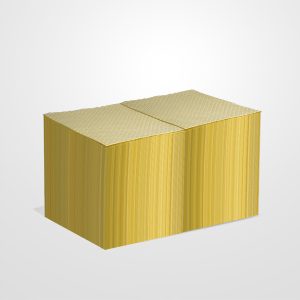
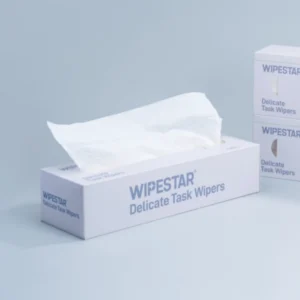
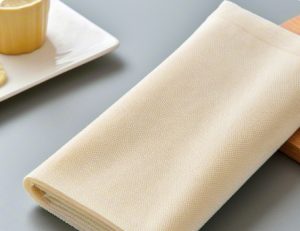
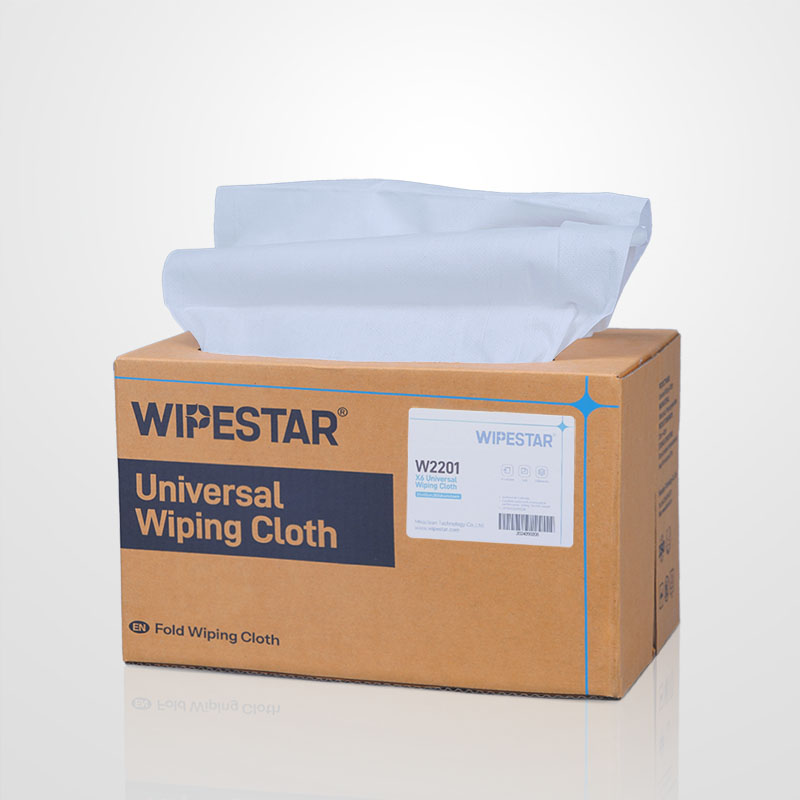
The W1501’s quarter-fold format is designed to solve both problems. Each pull delivers one flat sheet — already opened to its full usable size — with minimal handling of the remaining stack. The fold geometry keeps the unopened sheets contained within the stack until they’re pulled, which reduces the contamination exposure window significantly compared to a fully open box. In environments where surface hygiene matters — and I’d argue it matters more than most people plan for — that format difference compounds into a meaningful contamination control advantage over time.
The Cellulose/Polyester Construction
The material under the format is equally important. The W1501 uses a cellulose/polyester blend that delivers the two properties that matter most for daily surface wiping: low debris shedding and broad chemical compatibility.
Low debris shedding is exactly what it sounds like — the wipe doesn’t leave dust or fiber residue on the surface after use. In manufacturing environments where any residual fiber can become a contamination event, that property is not optional. The cellulose/polyester non-woven construction produces a fabric with strong fiber-to-fiber bonding that doesn’t release loose filaments under normal use conditions.
The broad chemical compatibility means the W1501 works with water-based cleaners, light solvents, and the range of cleaning agents used across most manufacturing and facility environments. IPA, acetone, petroleum-based cleaners, and aqueous degreasers — the W1501 handles them all without degrading or losing its wiping performance. That versatility is why it earns its place as the go-to wipe across such a wide range of industries.
The Industries That Rely on the W1501 Every Day
One of the things I’ve noticed over the years working with customers globally is how consistently the W1501 shows up in very different types of facilities. That consistency tells me something about the product — and it’s not just the price point. It’s that the combination of format, material, and versatility actually solves problems that different industries share more than they differ.
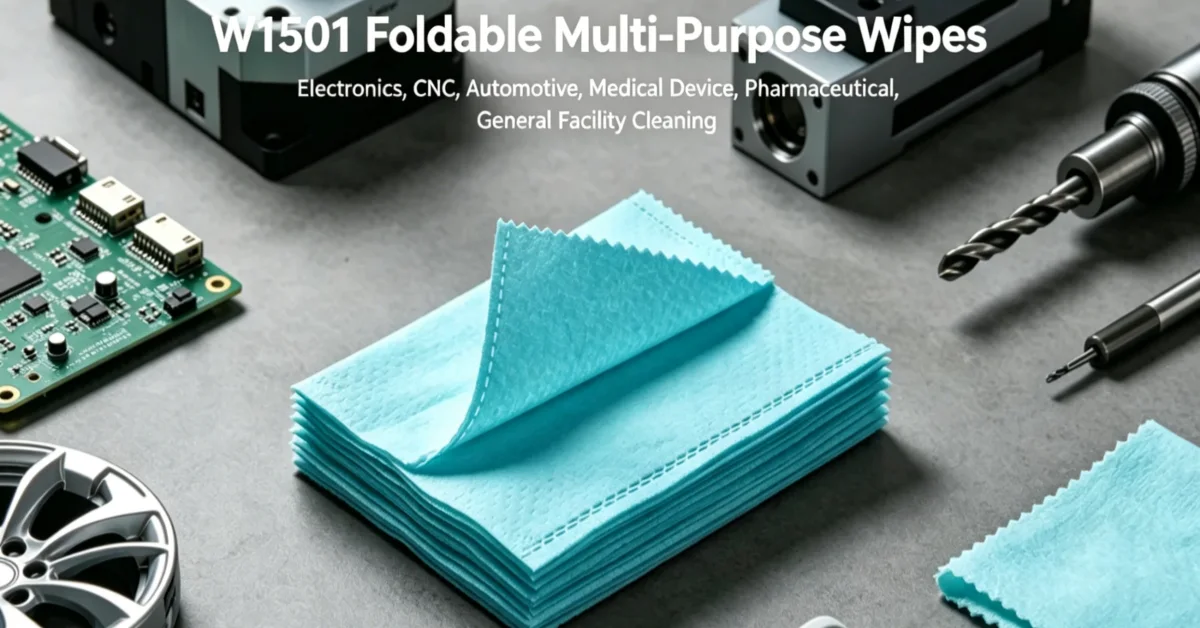
Electronics Manufacturing
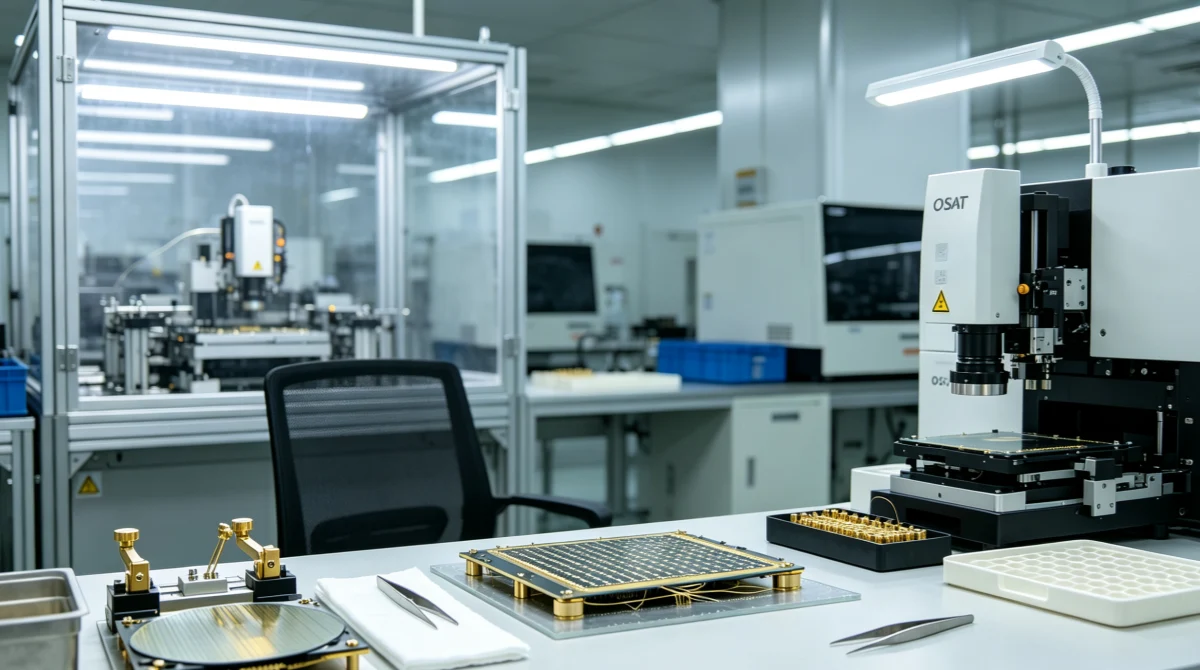
Electronics assembly facilities use the W1501 for general surface cleaning — wiping down workbenches, equipment surfaces, and tooling between production runs. The low debris shedding is critical here: any fiber left on a circuit board or component can cause a defect. The wipe’s compatibility with IPA makes it suitable for flux residue cleanup in some assembly environments, though our WP3302 ESD polyester cleanroom wipers are the right choice inside the ESD-protected zones themselves.
Precision Manufacturing and CNC Operations
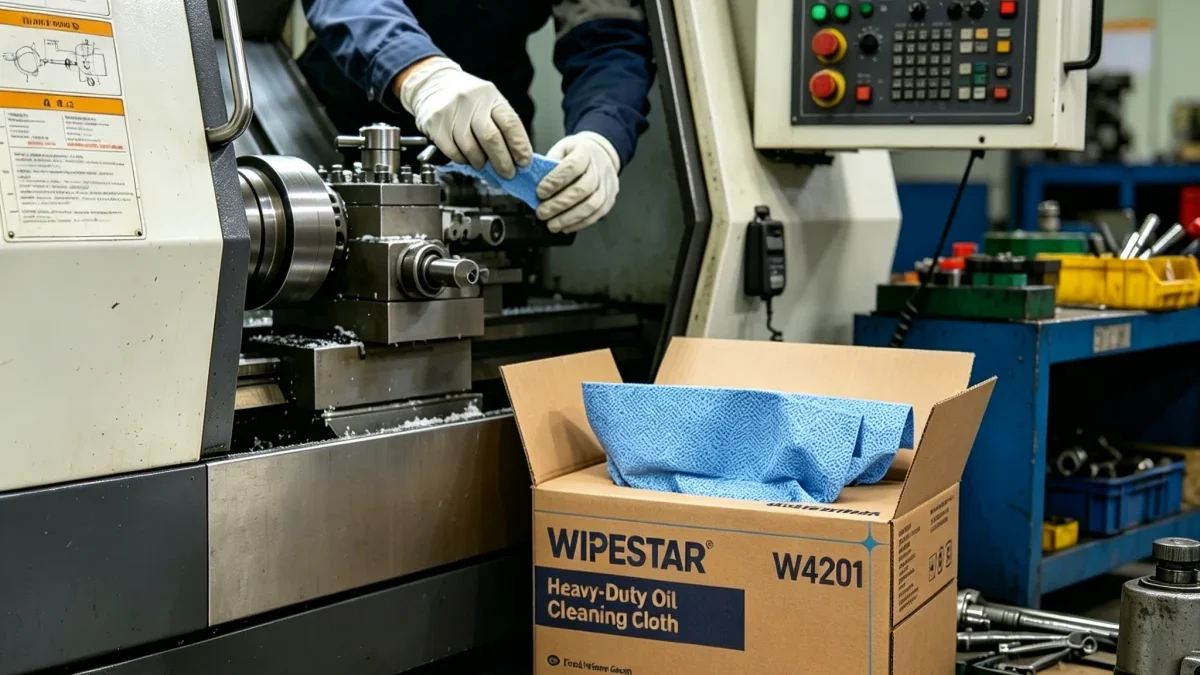
CNC machine operators use the W1501 for end-of-shift surface wipe-downs — removing light coolant splatter, fingerprints, and dust accumulation from machine enclosures and control panels. The quarter-fold format is practical here: one wipe per task, no guessing about sheet size, no over-pull waste. The cellulose/polyester construction handles the light coolant residue without the cloth disintegrating the way a lighter wipe would.
Medical Device and Pharmaceutical Facilities
Quality managers in medical device and pharmaceutical manufacturing specify the W1501 as part of their documented cleaning protocols for controlled-but-non-classified areas — gowning room surfaces, equipment exteriors, packaging station wipe-downs. The low debris shedding meets the contamination control expectations of regulated environments without the full cleanroom specification cost. Batch documentation and our team’s quality support make the W1501 straightforward to include in ISO 13485 or GMP cleaning documentation.
Automotive Assembly and Components
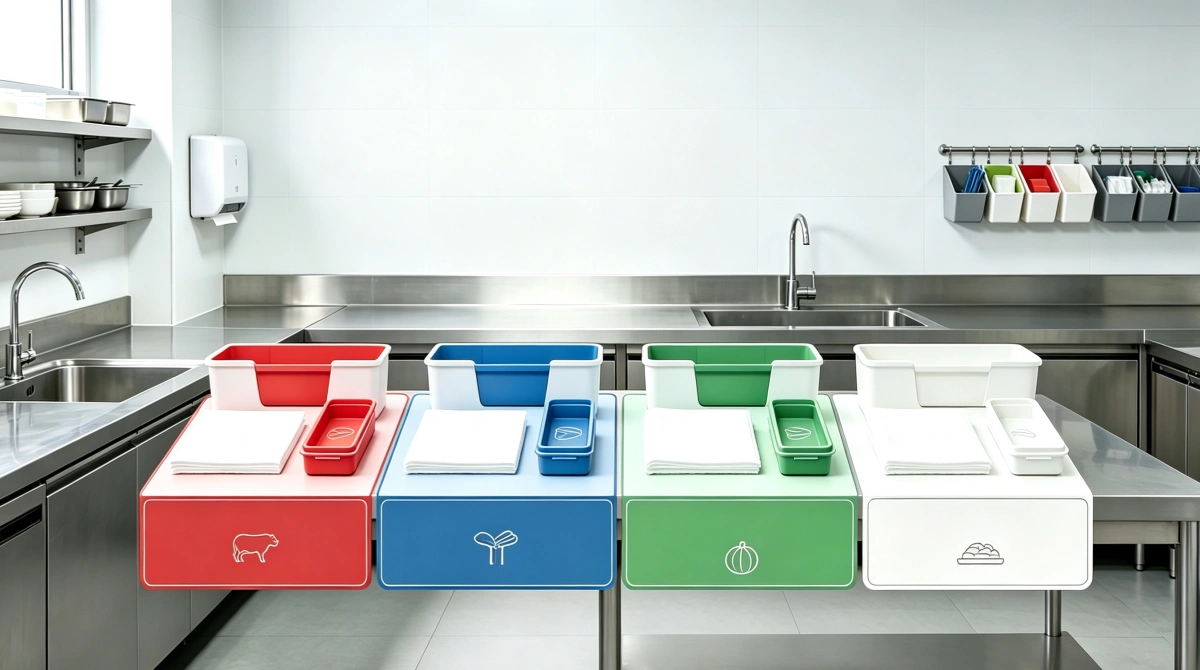
Automotive plants use the W1501 for the cleaning tasks that happen between every production step — surface wipe-downs at stations, equipment maintenance, and the constant general cleaning that keeps a production line running cleanly. The green color — available across the W1501 range — supports color-coding programs that automotive quality systems increasingly require, assigning a specific color to the production zone to prevent cross-zone contamination via wiping cloths.
General Facility Maintenance
The W1501 is probably at its most universal in general facility maintenance — the kind of cleaning that happens in every commercial building, warehouse, and workshop regardless of what industry it’s in. Door handles, benchtops, window frames, equipment housings — the W1501 handles all of them without requiring a different wipe for every different surface. That simplicity is a real operational advantage when you’re managing cleaning programs across large facilities.
What the W1501 Is Not — And What to Use Instead
Being specific about what a product isn’t doing is as important as describing what it is. The W1501 is a general-purpose multi-purpose surface wipe. It’s not designed for every cleaning situation, and knowing where it falls short helps you build a more complete cleaning program.
Not for Heavy Oil or Hydrocarbon Cleanup
The W1501 handles light oils and process fluids well, but heavy hydrocarbon spills — the kind that pool on machining shop floors or accumulate on heavy equipment — will saturate a cellulose/polyester wipe quickly and require frequent replacement. For those situations, the W4204 meltblown polypropylene oil cleaning cloths are the right specification. They’re engineered for exactly those hydrocarbon loads and are washable and reusable, which changes the cost-per-cleaning calculation significantly for high-volume oil handling.
Not for Cleanroom-Classified Zones
The W1501 is manufactured to general-purpose multi-purpose wipe specifications — which means it doesn’t carry the particle count data sheets, cleanroom batch documentation, or edge sealing that ISO-classified cleanrooms require. For cleanroom-grade surface cleaning, the WIPESTAR cleanroom wiping cloths range with batch-level particle and NVR documentation is the correct product line.
Not for Precision Surface Preparation
Polished mold surfaces, optical components, and precision instrument faces require a surface-gentle wipe that won’t scratch or leave residue. The W3401 Ultrasoft Surface Preparation Wipes — 50% rayon and 50% polyester microfiber non-woven at 65 GSM — are the right choice for those applications. The rayon component gives the gentleness; the microfiber structure provides the particle-trapping performance that precision surfaces need.
Where the W1501 Belongs in a Tiered Cleaning Program
The most effective cleaning programs I’ve seen our customers build are tiered — not one wipe for every situation, but a specific wipe for each tier of cleaning challenge. The W1501 occupies the broad middle tier: daily surface cleaning across production zones, general facility maintenance, and the kind of routine wipe-downs that happen throughout every shift.
A practical three-tier setup looks like this:
- Tier 1 — Daily surface cleaning: W1501 — the workhorse. Handles the majority of wipe-downs across production floor, facility maintenance, and equipment exteriors with one wipe per task.
- Tier 2 — Heavy contamination zones: W4204 — oil and hydrocarbon cleanup. Stages at machining areas and heavy equipment maintenance points.
- Tier 3 — Precision and cleanroom zones: W3401 or WP3302 — surface-gentle or cleanroom-grade wipes where the cleaning challenge or environment requires a more specialized product.
The full WIPESTAR wiping cloths product range covers all three tiers. The W1501 is the starting point for most facilities — and for many, it stays as the wipe they reorder most consistently.
The Numbers Behind the Product
One thing I always encourage procurement teams to look at when evaluating wiping products is the full cost picture, not just the unit price. The W1501’s performance in three specific areas affects its real cost significantly.
Waste reduction through foldable format. The quarter-fold one-sheet-per-pull design reduces over-use compared to roll formats. In a facility running through hundreds of wipes a day, even a modest reduction in sheets-per-task compounds into meaningful annual savings. We’ve had customers tell us the format change alone shifted their wipe consumption numbers noticeably.
Low debris shedding reduces re-cleaning. Wipes that leave fiber residue require follow-up cleaning — which means two wipes instead of one, or more passes over the same surface. The W1501’s low debris performance means fewer re-cleaning events, which translates to real labor time savings over the course of a year.
Versatility reduces SKU complexity. One wipe that handles dry wiping, wet wiping, and solvent-assisted cleaning across multiple zones means fewer product lines to manage, fewer SKUs to stock, and simpler procurement. That operational simplicity has a cost value that goes beyond the price per sheet.
Global Distribution and OEM
The W1501 — along with the broader WIPESTAR wiping cloths range — is available globally through our distribution network. We also supply OEM and private-label products to established brands, with documented quality systems that support international supply chain requirements. Our team has served customers in Finland, Indonesia, South Korea, and across the Asia-Pacific region with a satisfaction rate that reflects the consistency of the product and the service behind it.
If you’re evaluating the W1501 for a new procurement program or looking to consolidate your wiping cloth suppliers, our team can provide samples, compatibility data, and volume pricing. Lee, our Key Account Sales Manager, handles international account programs and can walk through specification requirements for your specific facility type.
Reach us at info@wipestar.com or by phone at +86-755-89616775.