English
 Chinese



Clean room cleaning revolution: Decrypting the scientific design of 9×9-inch dust-free wipes
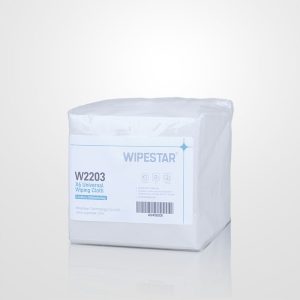
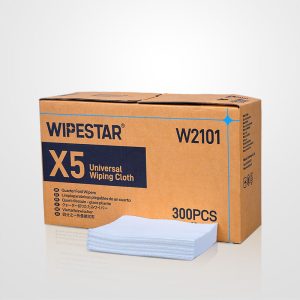
Historical evolution and industrial standards' formation. Particle pollution research conducted by NASA in 1965 shows that traditional cleaning tools have defects in efficiency in dust-free environments. After three years of systematic testing, engineers found that folding wipes can increase the pollutant capture rate by 47% compared to single-piece wipes. In 1972, the ISO 14644 standard officially established 9×9 inches (22.86cm²) as the reference size of a clean room-specific dust-free wipe cloth, a specification derived from the perfect balance of ergonomics and cleaning performance. It is worth noting that this size just forms a 1:4 adaptation ratio with the mask plate of the mainstream lithography machine at that time, greatly improving equipment maintenance efficiency.
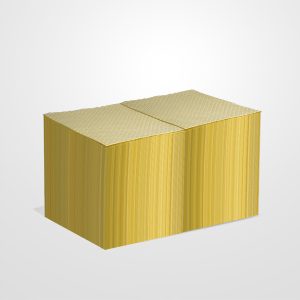
Structural advantages of folding technology 1. Pressure conduction mechanism: The four-layer folding structure allows the hand pressure to be evenly distributed on 50.8cm² to effectively clean the surface, similar to the grading interception principle of multi-layer filters. Third-party test data show that the removal rate of 0.3μm particles by this structure can reach 99.97% 2. Multi-directional cleaning path: Four new working faces are formed every time they fold, achieving an eight-stage cleaning cycle. The practice of semiconductor manufacturing companies shows that this design can reduce the cost of consumables by 30%. 3. Edge buffer protection: The folded trapezoidal edge produces a buffering effect similar to the shock absorption design of tennis rackets. In the wafer surface cleaning test, the scratch rate is reduced to 0.003/㎡. 4. Dynamic control enhancement: The design conforms to the golden ratio of the palm (1:1 aspect ratio), which increases the accuracy of the wipe action vector control by 28%. Latest research shows that the folding structure can also effectively block the spread of operator dandruff and reduce the risk of biological contamination to the ISO level 5 standard.
Engineering Verification and Application Specifications The cleaning tool evaluation report released by Lawrence Laboratory in the United States in 2021 pointed out that the 9-inch folding wipe cloth in biosafety cabinet applications has a 62% reduction in microbial residue than conventional size. It is worth noting that its size parameters are strictly referenced to the contact surface data of the human palm – the average palm width of an adult male is 8.6-9.4 cm, forming the optimal torque ratio with the 9-inch (22.86 cm) expansion length. In the spacecraft assembly workshop, the design reduces the cabin cleaner hours to 1/3 of the traditional method.
The operational intelligent decision model recommends the "visual-tactile" dual-modal judgment method: folding and switching is performed when visible pollutants accumulate on the wipe surface up to 0.8mm² (equivalent to the standard printed character area), or the wipe resistance increases by 15%. Verification data from pharmaceutical companies show that this strategy can stabilize the cleaning pass rate above 99.5%. By introducing AI image recognition systems, medical device manufacturers have successfully controlled the judgment error rate to within 0.2‰.

[Standardized folding process optimization operation experience] When the dust-free wipe cloth is accurately folded twice, the 11cm square operation unit (equivalent to the size of a playing card) is formed, and its golden proportional structure significantly improves the holding stability during manual wipe. This proven engineering design is the root cause of the 9×9-inch folding rag becoming the ISO standard specification.
[Application scenario-driven product innovation: Evolution of size specifications] With the diversification of clean room consumables demand in high-end fields such as biopharmaceuticals (requires GMP certification) and microelectronics manufacturing (requires Class 10 cleanliness), professional wipes have developed a size system that is suitable for different scenarios. For example: 4×4 inches are suitable for precision instrument maintenance, 6×6 inches are suitable for automated equipment feeding systems, and 12×12 inches large specifications are specially developed for ground cleaning robots.

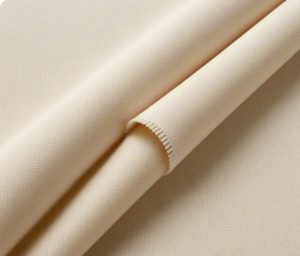
Material technology empowers cleaning efficiency Modern microfiber dust-free cloth uses improved polyester material with a single filament fiber fineness<0.3 densities, and its cross-sectional star structure can improve liquid adsorption efficiency by 30%. Data from Colonia Laboratory show that our composite wipe cloth still maintains a weight of 80g/m² gram under the 0.18mm ultra-thin design, and the fiber shedding rate is less than 0.01% after 50 industrial cleanings, which fully complies with the BEST standard grading requirements.

[Customized Solution Practice] As a manufacturer that has passed ISO 9001/14001 dual certification, we provide a full-size matrix from 4 inches to 12 inches, including three major technical routes: woven (warp and weft density 200T), melt blown (filtration efficiency 99.97%), and annotating.