English
 Chinese



Here’s something I’ve learned after years of working with maintenance teams in manufacturing plants: the wipe you choose for oil cleanup matters a lot more than most people think. The wrong one creates a domino effect—bad surfaces, surprise rework, consumable budgets that quietly creep up quarter after quarter.
We still run into shops that rely on cotton rags and paper towels for heavy-duty oil and grease cleanup. I get it—they’re cheap, they’re available, and nobody gives them a second thought. But here’s the pattern we keep seeing: those “cheap” rags end up costing more than you’d expect. They smear oil instead of absorbing it, shed fibers onto precision surfaces, and your technicians end up using three or four sheets where one good wipe would’ve done the trick.
I’m going to walk through what actually works based on what we’ve seen in the field—the materials, the features worth paying for, and the stuff shops get wrong most often.
Why Your Choice of Oil Absorbent Wipes Matters
Walk through any manufacturing floor and you’ll see the same scene: oil pooled under a CNC spindle, grease smeared along a conveyor rail, cutting fluid dripping from a fixture. It’s just part of the job. The real question isn’t whether your team has to clean this up—it’s whether they’re doing it with the right material.
Picking the right oil absorbent wipe for machinery maintenance touches everything—cleanup speed, surface quality, consumable spend, even how fast your technicians get back to actual production work. And the differences between wipe types are bigger than most procurement teams realize.
What We See Go Wrong
From visiting facilities and talking to maintenance managers, here are the problems that come up most often when teams use the wrong wipe:
- Smearing instead of absorbing: Cotton rags push oil around on the surface rather than lifting it. Technicians scrub harder, use more sheets, and still leave residue behind.
- Fiber contamination: Loose cotton fibers end up on painted surfaces, in bearing races, on optical sensors. The rework costs from this alone usually dwarf any savings on cheap rags.
- Solvent breakdown: Cotton fibers degrade when exposed to industrial solvents like IPA or acetone. The wipe falls apart mid-task and leaves debris behind.
- Inconsistent quality: Recycled rags vary wildly in size, thickness, and absorption. You never quite know what you’re getting from one sheet to the next.
- Waste from poor dispensing: Workers grab handfuls of rags instead of individual sheets. Consumption rates spike without anyone noticing.
Meltblown Polypropylene vs. Cotton Rags: Which Absorbs Oil Better?
Let’s get into the material side of things, because this is where most people realize they’ve been making a bad trade-off without knowing it.
Meltblown Polypropylene
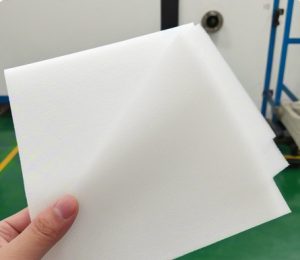
Meltblown polypropylene is made by shooting molten polymer through thousands of tiny nozzles, creating fibers so fine they’re barely visible—somewhere between 1 and 5 microns in diameter. That extreme fineness gives the material a massive surface area relative to its weight, and that’s exactly what drives oil absorption. The oil gets pulled into the fiber network through capillary action and stays locked there.
What that means on the shop floor:
- Zero lint — no fibers left behind on painted surfaces, optics, or precision assemblies
- Holds together when wet — even fully soaked in solvent or oil, the wipe doesn’t fall apart in your hand
- Works with industrial solvents — IPA, acetone, degreasers—no breakdown, no residue
- You can rinse and reuse it — for lighter contamination, a quick rinse and wring brings it right back
Cotton Shop Rags
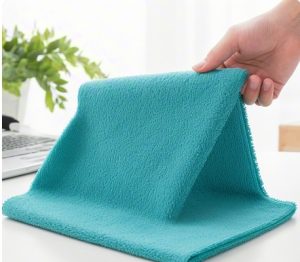
Cotton absorbs water really well. Oil? Not so much. Cotton fibers are hydrophilic—they attract water, not petroleum. So when you wipe a greasy surface with a cotton rag, you’re mostly just spreading the oil around and hoping for the best.
There are other practical issues too:
- Fiber shedding — you’ll find cotton lint on surfaces where it absolutely shouldn’t be
- Every rag is different — recycled rags vary in size, thickness, and how much they actually absorb
- Solvents eat them — cotton breaks down fast when exposed to aggressive cleaning agents
- One and done — rinse a cotton rag used for oil cleanup and you’ll see why nobody bothers
If you want to dig deeper into how different wipe materials stack up across all applications, we put together a full industrial wipes materials and types guide that covers the topic comprehensively.
5 Must-Have Features in Industrial Oil Absorbent Wipes
There’s no shortage of oil absorbent wipes on the market. After years of testing and customer feedback, these are the five things we’d tell anyone to look for:
1. Oleophilic Fiber Structure
The wipe needs to actually attract oil, not just sit on top of it. Meltblown polypropylene does this naturally—the fiber structure is inherently oleophilic, which is a fancy way of saying it grabs petroleum-based oils and holds on. If the spec sheet doesn’t mention oleophilic properties, keep looking.
2. Textured Surface
A smooth wipe on a rough surface doesn’t do much. Look for something with an embossed texture—bark pattern, diamond, anything that increases the actual contact area. On cast-iron machine beds or textured housings, that texture makes a noticeable difference in how much oil you pick up per stroke.
3. Lint-Free Certification
This one’s non-negotiable if you’re working near bearings, seals, optical sensors, or painted finishes. A single stray fiber in a bearing race can cause a failure that costs hundreds of times more than the wipe. Don’t gamble on “mostly lint-free”—get wipes that are certified for it.
4. Solvent Resistance
Most machinery maintenance involves some kind of chemical—degreaser, IPA, acetone, whatever your process calls for. The wipe needs to hold up when wetted with these agents, not disintegrate into a soggy mess or leave residue behind. We’ve got more on cost-saving strategies in our guide to reducing industrial wiping cloth costs.
5. A Good Dispensing System
This gets overlooked, but it matters more than people think. A pop-up box that lets you grab one sheet at a time—especially when you’re wearing oily gloves—saves time and cuts waste. No more digging through a pile of rags or grabbing five when you need one.
Where Heavy-Duty Oil Absorbent Wipes Deliver the Most Value
You can use these wipes anywhere, but three areas stand out where the ROI is clearest:
CNC Machining Centers
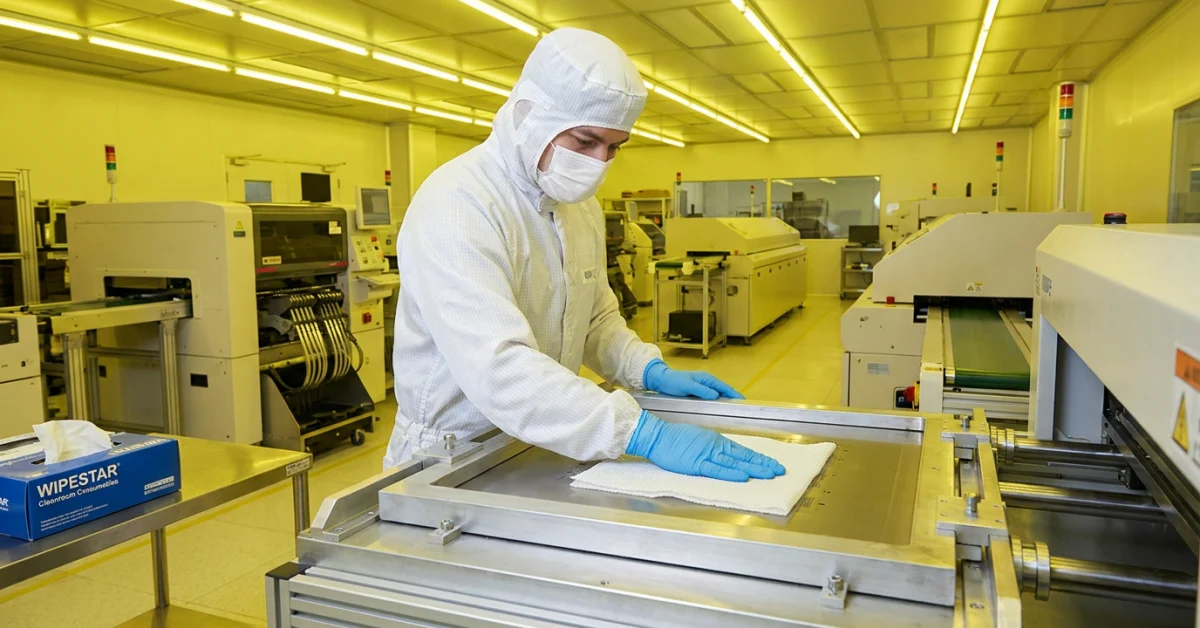
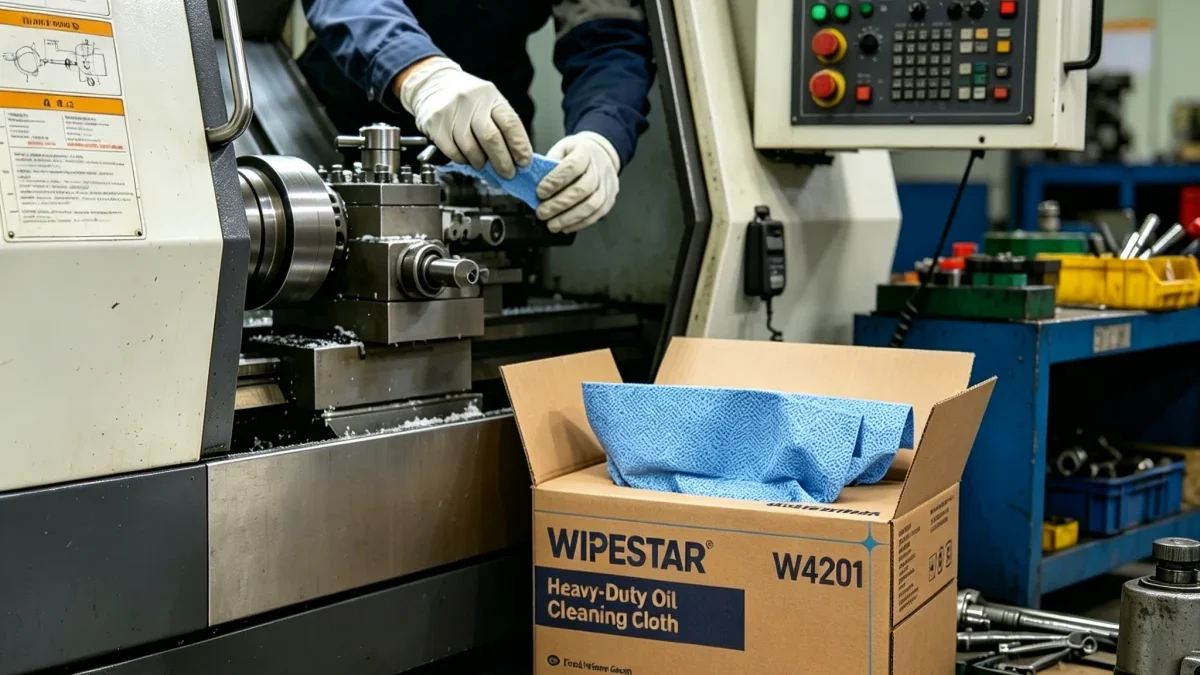
If you run CNC machines, you know the drill—cutting fluid everywhere, hydraulic oil finding its way onto every surface, metal chips mixed into the mess. Your technicians need a wipe that pulls the oil off without smearing, stays lint-free around the spindle, and doesn’t fall apart after the second wipe. Daily wipe-downs between runs keep oil from building up and throwing off your machine accuracy over time. It sounds small, but it adds up fast.
Hydraulic System Maintenance
Hydraulic leaks are just a fact of life—presses, injection molders, stamping lines, they all do it. Cleanup has to be quick, both for safety (slip hazards) and to keep oil off the floor. A wipe with real wet strength lets your team handle hydraulic lines, cylinder rods, and spill zones without the thing disintegrating halfway through.
Preventive Maintenance Windows
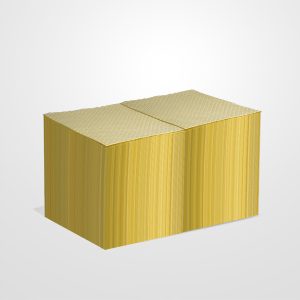
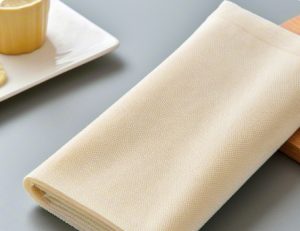
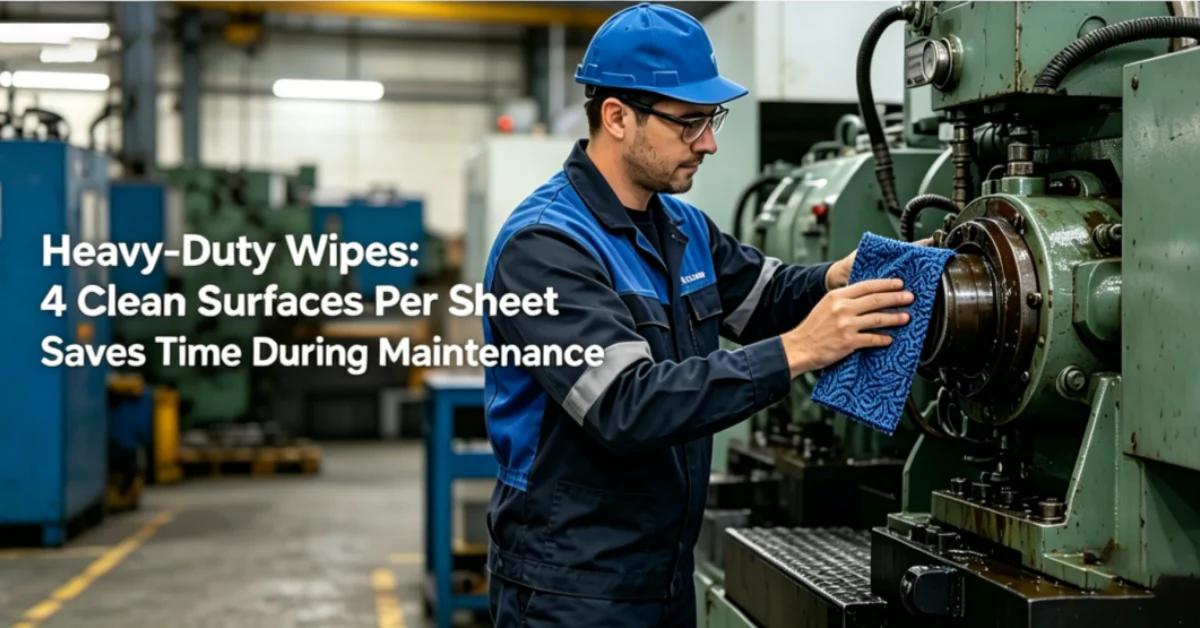
When you’ve got a tight maintenance window, every minute counts. Nobody wants to waste time re-folding rags or going back for more sheets. A quarter-folded wipe with four clean faces per sheet—pulled from a pop-up box—keeps things moving. Use one side, fold to the next, keep going. For more on maintenance strategy, take a look at our CNC equipment maintenance guidelines.
Reducing Total Maintenance Costs with the Right Wipe
Here’s a mistake we see procurement teams make all the time: comparing wipes on a per-sheet cost. It sounds logical, but it misses the bigger picture.
The real cost of a wipe includes things that don’t show up on the invoice:
- How many sheets you actually use per task — a cheap wipe that takes six sheets to do what one good wipe does isn’t cheap
- Rework — fiber contamination or residue that forces a second cleaning pass
- Disposal — more sheets used means more waste to handle
- Technician time — faster cleanup means your people get back to productive work sooner
When we’ve seen customers switch from cotton rags to a proper meltblown wipe, they typically use 50–70% fewer sheets per cleanup task. Add in the reduced rework and disposal costs, and the engineered wipe wins on total cost of ownership almost every time. We broke down the math in detail in our article on industrial cleaning wipes and TCO.
| Cost Factor | Cotton Rags | Meltblown Polypropylene Wipes |
|---|---|---|
| Sheets per cleanup task | 4–6 sheets | 1–2 sheets |
| Lint contamination risk | High | Zero |
| Solvent compatibility | Poor — degrades on contact | Full compatibility |
| Reusability | Not practical | Rinse and reuse multiple times |
| Rework from fiber residue | Frequent | Rare to none |
| Dispensing control | Poor — grab handfuls | Single-sheet pop-up box |
Best Practices for Using Oil Absorbent Wipes on the Factory Floor
A great wipe used badly is still a bad result. A few things we’ve picked up from working with maintenance teams over the years:
- Work through the folds, don’t unfold the whole sheet. Start with one face. When it’s saturated, fold to the next clean surface. If you unfold everything at once, you’ve just contaminated all four sides simultaneously.
- Solvent goes on the wipe first, not the surface. Spray or pour your degreaser or IPA onto the wipe, then wipe the machine. You’ll use less solvent, avoid pooling on sensitive components, and get better contaminant lift.
- Straight strokes on precision surfaces. Forget circular scrubbing—use straight, overlapping passes. You’ll lift contamination off instead of grinding it around. This matters a lot on painted panels and optical housings.
- Rinse and reuse when you can. For light oil or grease, a quick rinse and wring brings the wipe back. Meltblown polypropylene is tough enough to handle multiple rinse cycles. Save disposal for heavily contaminated or solvent-soaked sheets.
- Keep the box closed. Sounds obvious, but in a dusty shop, an open dispenser box means contaminated sheets before you even use them. Especially around grinding or sanding areas.
We’ve written more about proper wipe storage and shelf life in our guide on how to store and maintain industrial wiping cloths.
Why Global Manufacturers Trust WIPESTAR
I’ll be straightforward: WIPESTAR isn’t a reseller or a trading company. We manufacture our own wipes and cleanroom consumables from our facility in Shenzhen, China. We’ve been doing this for over a decade, working with automotive, semiconductor, pharmaceutical, and precision engineering clients around the world.
Our Team
Product specs matter, but honestly, the support team behind the product matters just as much—especially when you’ve got a tricky application or a custom requirement.
- Ethan — Sales Director. 20+ years in the industrial wiping cloth and cleanroom consumables world. He leads our global sales and has built long-term relationships with manufacturers across continents. If you’ve got a complex requirement, Ethan’s the one who figures out the right approach.
- Lee — Key Account Sales Manager. Joined us in 2018 with 7 years already under his belt in cleanroom consumables. He’s worked with clients like Foxconn, Samsung, and Apple—companies that don’t tolerate “good enough.” His philosophy is “Do more, know more, be more,” and honestly, he lives it.
- Carolina — Product Specialist. She’s the one on the factory floor talking to production workers and technicians, understanding what they actually need (not what a spec sheet says they should need). She works directly with our suppliers to improve raw materials and processes from the source.
- Guan — Cleanroom Consumables Sales Specialist. 4.5 years in semiconductors, 5+ years in cleanroom consumables. He gets the specific pain points of semiconductor, pharma, and automotive clients because he’s been solving those problems for years.
- Juan — Purification Industry Specialist. Deep background in clean products and purification equipment. He’s been involved in the design and execution of key cleanroom projects and brings that hands-on experience to every customer interaction.
Meet the full team on our team page.
What Sets Us Apart
- We’re the factory — no middleman, no markup. We control production from raw material to finished product.
- OEM and custom work — need a specific size, fold pattern, packaging, or your own branding? We do that.
- ISO-certified quality — every product runs through strict quality controls before it ships.
- ROHS compliant — our wipes meet EU hazardous substance standards, which matters if you’re exporting to European markets.
- Global logistics — we ship to North America, Europe, Asia-Pacific, and the Middle East on a regular basis.
Take a look at our wiping cloths range or browse the full product catalog if you want to see everything we offer.
Frequently Asked Questions About Oil Absorbent Wipes for Machinery Maintenance
Request a Quote for Industrial Oil Absorbent Wipes
We supply heavy-duty oil absorbent wipes direct from our factory—bulk pricing, OEM customization, fast global shipping. Everything is ISO-certified and ROHS compliant.