English
 Chinese



A Tuesday morning in March, and the quality manager at a 30,000-barrel craft brewery outside Madison was on the phone with a distributor who had just quarantined three pallets of their flagship IPA. Customers had picked up a sour note in the beer. Not infected-beer sour, just off — the kind of thing people post about online before they ever contact the brewery.
They tested everything. The yeast pitch, the water, the hops, the bright tank, the filler. All clean. It took two weeks and a third-party lab to land on Lactobacillus, and another week to work out how it had travelled: the wiping cloths used on packaging line rollers between changeovers. The cloths were laundered, which everyone had assumed was the same as clean. They also went to a commercial laundry that serviced a dairy twenty miles away, and that wash cycle was never designed to kill what a dairy leaves behind.
The recall cost just under $180,000, before you count the tap handles that got pulled and the brand damage that never appears on an invoice. The cloths themselves worked out to about nine cents a wash.
If you run a brewery, a bottling or canning line, a juice plant, or an RTD facility, that story should make you a little uncomfortable. The wiping cloth on your packaging line may be the cleanest-looking contaminated object in the whole plant. What follows covers where the risk actually comes from — spoilage organisms, allergens, CIP chemistry — how to spec a wipe for each zone, and what auditors ask when they walk your floor.
Why the Cloth Is the Weak Link
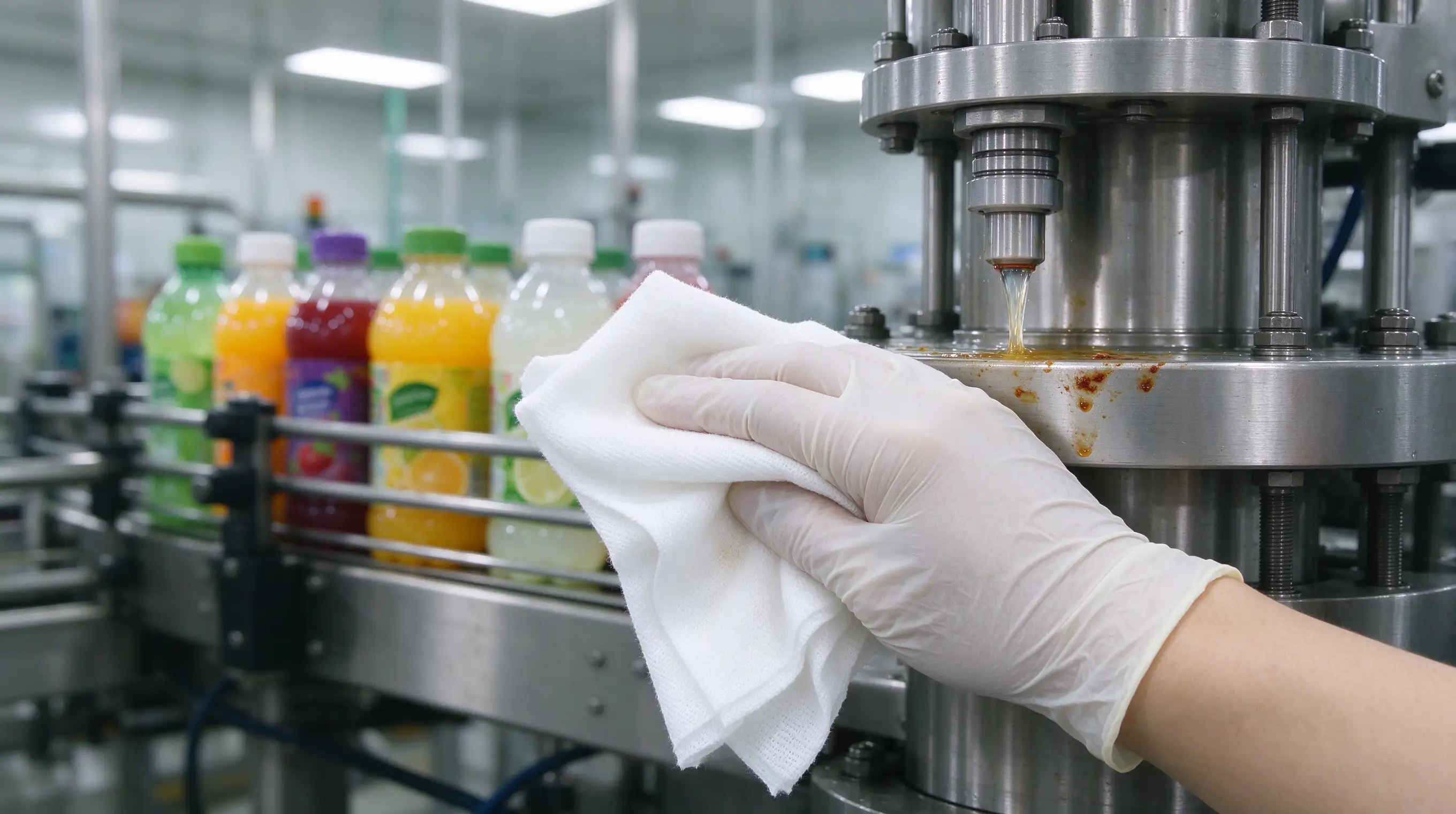
Every food and beverage plant has solid cleaning for the surfaces that touch product. CIP takes care of tanks, lines and heat exchangers. Conveyors get sanitized on a schedule that lives on a whiteboard. What nobody writes down is the drip tray under the filler, the valve handle someone wipes after a sample port splash, the roller that gets a quick pass at changeover because it’s sticky. Those unscheduled thirty-second cleanups are where the cloth decides whether contamination gets removed or gets spread.
Beverage plants make this harder than most environments. Sugar-rich residues feed microbial growth on contact. Organic acids — lactic, acetic, citric — chew through cheap fibers and binder glues. And on a line that runs more than one product, every changeover is an allergen event whether or not anyone treats it like one.
Then there’s the laundered rag, which deserves its own paragraph. A cotton cloth that’s been through fifty wash cycles has degraded fibers that shed readily, retains soil in the weave, and carries whatever the last customer’s laundry left on it. Its microbial load is unknown and untestable. For a zone where you’re deliberately keeping one organism alive and everything else out, handing that job to an uncontrolled microbial source is exactly backwards.
Spoilage Organisms and the Cloths That Carry Them
Every brewer knows yeast is both the ingredient and the saboteur. The names that come up in contamination investigations are familiar: Brettanomyces, Saccharomyces diastaticus, Lactobacillus brevis, Pediococcus damnosus. These organisms survive on damp surfaces for days. They sit in the weave of a cloth that mopped up a yeast slurry spill at 10am and get carried to a valve handle at 2pm, and from there into whatever is being packaged next.
Multi-strain operations feel this most. Run a clean lager on the same line where a wild-fermented saison was packaged that morning, using shared cloths, and you’ve built a transfer route for exactly the wrong organisms. S. diastaticus is the classic example: it attenuates in package, and the first sign is usually a customer complaint about over-carbonation or a burst can, not an internal test result. When QA can’t quite place a funky note in a panel, a wipe is a reasonable suspect.
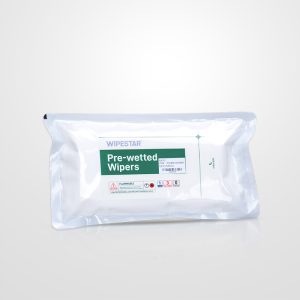
Two rules do most of the work in the cellar. First, single-use only. A cloth that has touched a sample port doesn’t get a second job. Second, use pre-wetted sanitizer wipes rather than whatever spray bottle is nearest. Factory-saturated wipes carry a known sanitizer at a known concentration — typically peracetic acid or a quaternary ammonium product used at its labeled no-rinse concentration under 21 CFR 178.1010 — instead of a bottle mixed that morning and refilled by three different people. Wipe in one direction, clean toward dirty, and move on. Polishing back and forth just relocates the problem.
Allergen Cross-Contact: Where It Gets Legal
Gluten lives everywhere in a brewery. Add lactose stouts, nut-adjacent adjuncts, fruit purees, flavored seltzers and hard teas on shared equipment, and you’re managing several allergen streams at once. US rules are blunt about this: the FSMA Preventive Controls rule (21 CFR Part 117) treats allergen cross-contact as a preventive control that has to be managed and verified, and the nine major allergens under FALCPA — including sesame since January 2023 — all appear somewhere in modern beverage production.
Here’s the part that gets missed in gap assessments: labeling controls and production controls are different things. A cloth that absorbed wheat-containing wort during morning maintenance and then wiped a “gluten-free” seltzer filler head after changeover is an allergen transfer vector. The product never touched grain. The cloth made the bridge anyway.
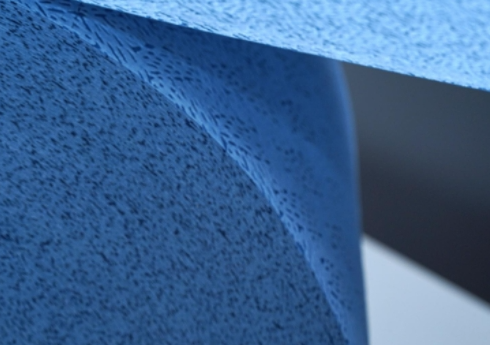
Changeover cleaning deserves its own discipline. Disposable wiping papers work well here because single-use is the default — one surface, one sheet, straight to the bin. Many facilities give allergen changeovers a dedicated color so verification is visual: if blue paper appears anywhere outside an allergen changeover record, someone cut a corner. It takes an auditor about ten seconds to understand a system like that, and about ten seconds to distrust one where every wipe looks the same.
CIP Exteriors and Chemical Carryover
CIP chemistry is aggressive by design. Caustic soda, phosphoric acid and peracetic acid run in sequence through the tank and line interiors, and afterwards someone walks the circuit with a cloth and wipes the drip trays, the sample valves, the union joints, the dosing pump exteriors. That manual wipe-down is where cloth selection quietly matters.
A cheap cloth meets caustic at 2% and two things happen: it sheds more aggressively as the binder breaks down, and it holds onto the chemical instead of releasing it onto the tray. The next wipe-down then deposits caustic residue onto a surface near product handling. Recycled rags are worse, because their fiber composition varies from piece to piece and nobody can tell you how a given piece will react.
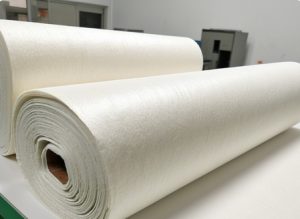
Spec a consistent, chemical-resistant cloth for this work — thermally bonded rather than glue-bonded, low-lint, sized so it doesn’t disintegrate wet. A weekly wipe-down of CIP exteriors takes fifteen minutes and prevents two slow problems: caustic residue corroding fittings over months, and permanent damp spots where mold and bacteria set up shop. Purpose-built wiping cloths for food and beverage use are also the only kind of cloth you can actually document for an auditor, which brings us to the paperwork.
Wipe Selection by Production Zone
One wipe for the whole plant is how budgets get simplified and risks get concentrated. Zone by zone, here’s what we see working in beverage facilities.
| Production Zone | Main Contaminant Risk | Recommended Wipe | Avoid |
|---|---|---|---|
| Brewhouse | Wort sugars, grain dust, hot spills | High-absorbency wiping cloths, thermally bonded | Laundered cotton rags |
| Fermentation / cellar | Active yeast, biofilm, organic acids | Pre-wetted sanitizer wipes, single-use | Any reused cloth, dry rags |
| Bottling / canning changeover | Allergen carryover, label adhesive, filler residue | Color-coded wiping papers, single-sheet | Multi-use cloths across changeovers |
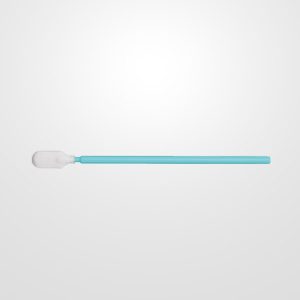
| QC lab / micro | Reagent and sample cross-contamination | Cleanroom swabs plus low-lint wipes | General-purpose paper towel |
| Warehouse and floors | Dust, pallet debris, spilled product | Spill control pads, economical stock | Thin wipes that smear |
| Line-side operator hygiene | Hand and glove transfer at open containers | Dedicated gloves and barrier supplies plus wipes | Shared towel stacks at the line |
Color coding is the cheapest compliance tool in this table. Assign one color per zone, write it into the SOP, train it once, and the standard becomes visible from across the room. Pair it with a staged spill bucket at every workstation — absorbent pads, a roll of wiping paper, a pair of nitrile gloves — so nobody walks past three machines to find supplies while a wort spill spreads toward a drain.
What Auditors Ask About Your Wipes
Whether you’re working to HACCP principles, FDA’s preventive controls rule under FSMA (21 CFR Part 117), or a GFSI scheme like BRCGS, SQF or ISO 22000 that your buyers insist on, the wipe conversation lands in three places: cleaning materials, food-contact hygiene, and verification. Auditors have learned to ask about cloths because cloths keep showing up in root cause analyses.
Is it specified? Every wipe in production should appear in a written spec: type, zone, use, changeover rules, color code. “General-purpose rag” with no qualification is a finding waiting to be typed up.
Is the supplier documented? Wipes used around food and beverage handling are food-contact-adjacent materials, and your supplier should be able to show compliance for that use — FDA food-contact clearance under 21 CFR Parts 177–178 or the equivalent EU framework (Regulation (EC) No 1935/2004 with the plastics regulation 10/2011 where it applies) — plus certificates of analysis, extractables data and microbiological results per lot. If none of that exists, you’re carrying the supplier’s paperwork gap into your next audit.
Is it verified? ATP swabs on wipe stock and post-changeover surfaces, periodic micro testing, and a mention of wipes in your environmental monitoring program. Fifteen minutes of testing closes the loop between “we bought good wipes” and “we can prove the process works.” For in-house plating and sampling, keeping genuinely sterile sampling supplies on the lab side stops your verification data from arguing with itself.
The economics sort themselves out once this is in place. Purpose-built single-use wipes run roughly $0.05–$0.15 a sheet; laundered rag services look cheaper per pound until you count collection logistics, inconsistent quality wash to wash, and the microbiological risk that a shared laundry quietly imports. One recall settles the argument for a decade.
Who You’ll Work With at WIPESTAR
We supply wiping consumables to breweries and beverage plants where a bad cloth turns into a hold, a complaint, or a recall. The people below work on zone specs, changeover programs and the documentation that goes with them.

Carolina — Product Specialist
Carolina matches wipes to production zones — absorbent cloths for the brewhouse, pre-wetted sanitizer wipes for the cellar, color-coded papers for changeovers — and supplies the food-contact documentation and lot certificates your QA team will be asked for.

Juan — Purification Industry Specialist
Juan maps contamination risk across production areas and sets up the hygiene basics around wipes: zoning, color coding, dispenser placement and changeover rules that hold up on the floor and in an audit.

Zac — Customer Service
Zac handles sample kits, quotations and repeat orders, keeping lead times aligned with production schedules so no line runs out of the wipe its SOP calls for.
Get Started with Brewery and Beverage Line Wipes
Whether you’re rebuilding a wipe program after a contamination investigation, preparing for a BRCGS or customer audit, or just tired of laundering rags that nobody can test, tell us what runs where in your plant. We’ll come back with a zone spec and the paperwork behind it.
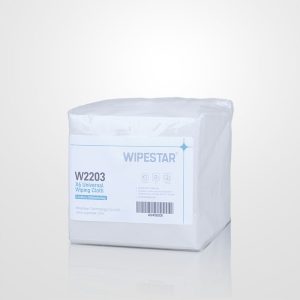
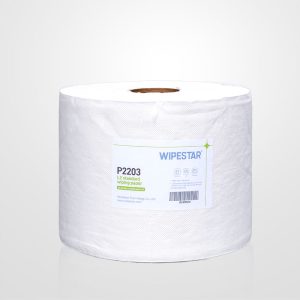
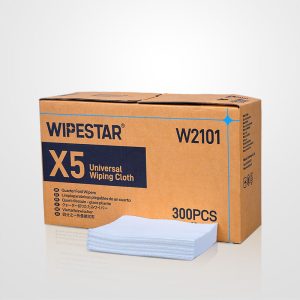
- Wiping Cloths — Thermally bonded, low-lint cloths that hold up to wort, caustic drips and hot liquid spills in the brewhouse.
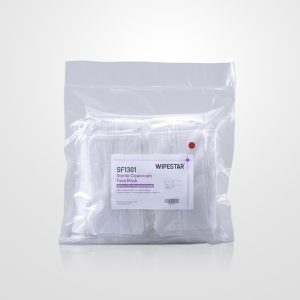
- Pre-Wetted Wipes — Sanitizer-saturated for cellar and filler work, with known concentration and no spray-bottle guesswork.
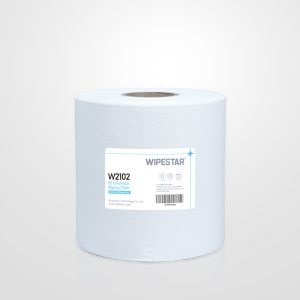
- Wiping Papers — Single-sheet, color-codable stock for allergen changeovers and packaging line wipe-downs.
- Spill Control — Absorbent pads and rolls for wort, beer and sanitizer spills at CIP stations and fillers.
- Request a Sample Kit — Send us your zones and changeover problems; we’ll put the right spec in your hands to test on the line.
Browse All Products → Request a Custom Quote
Frequently Asked Questions