English
 Chinese



What’s the cheapest item in your forensic lab’s consumables budget? The wipe. What’s the item most likely to torpedo a criminal case? Same one.
In 2019, a forensic lab in the southeastern United States had to retract three DNA reports. An internal audit found cross-contamination between evidence items — a bench tech had used the same wipe to clean the work surface between processing two sexual assault kits. That wipe carried trace biological material from the first kit onto the surface where the second kit was processed. The mixed DNA profile got interpreted as a single-source profile pointing to a suspect with zero connection to the crime.
The fallout: the lab lost its ISO 17025 accreditation for six months, over 200 active cases got reviewed, and one person was wrongfully arrested. All because of a wipe that cost less than a cup of coffee.
This isn’t a one-off. Forensic labs operate under a level of scrutiny that semiconductor cleanrooms and pharmaceutical facilities never face. Every surface, every tool, every consumable is potentially part of the chain of custody. A contaminated wipe isn’t just a quality problem — it’s a constitutional one. It can exclude evidence from trial, let a guilty person walk, or put an innocent one behind bars.
This guide is written for forensic lab directors, crime scene supervisors, and quality managers who need to spec cleaning consumables that won’t compromise evidence integrity. We’ll cover wipe selection, contamination prevention, and the documentation that keeps your accreditation intact — and keeps defense attorneys from tearing apart your procedures on the stand.
DNA Cross-Contamination: Why Sensitivity Is the Problem
Modern DNA analysis is absurdly sensitive. Touch DNA — the skin cells transferred when someone handles an object — can generate a full STR profile from as few as 5–20 cells. That’s roughly what you’d leave by touching a doorknob for two seconds.
It’s also roughly what a “clean” wipe can transfer between surfaces if it wasn’t properly decontaminated. Or if someone reused it. Or if it sat in a non-sterile environment without proper packaging. That’s the scale we’re dealing with.
The problem is that DNA is everywhere in a lab. It’s on every surface humans touch. It’s in the air — shed skin cells, hair fragments. It’s on your gloves, your lab coat, your phone. And it’s on any wipe that’s been used in a biological context and then put back on the bench.
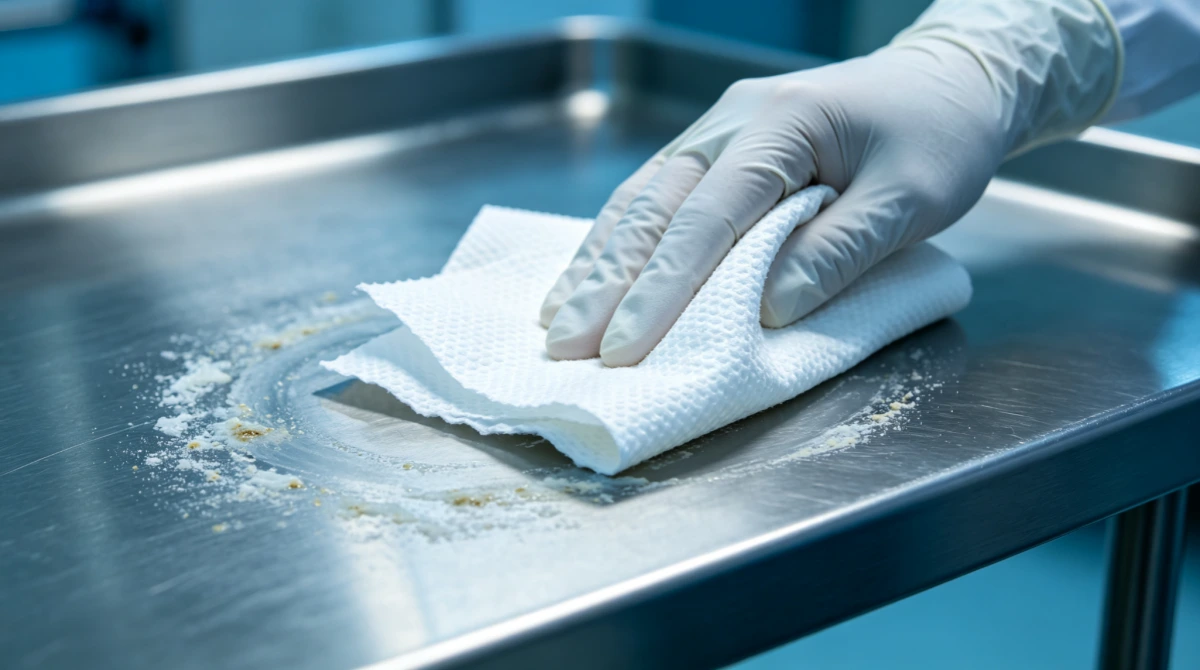
Forensic labs that process biological evidence need wipe protocols built around this reality. The standard approach is single-use, pre-sterilized wipes for every surface contact during evidence processing. One wipe, one surface, one use, then into biohazard waste. No exceptions.
A pre-sterilized wipe costs about $0.15 to $0.40. A retracted DNA report costs… well, you can’t put a number on it.
Crime Scene Processing: Wipes in the Field
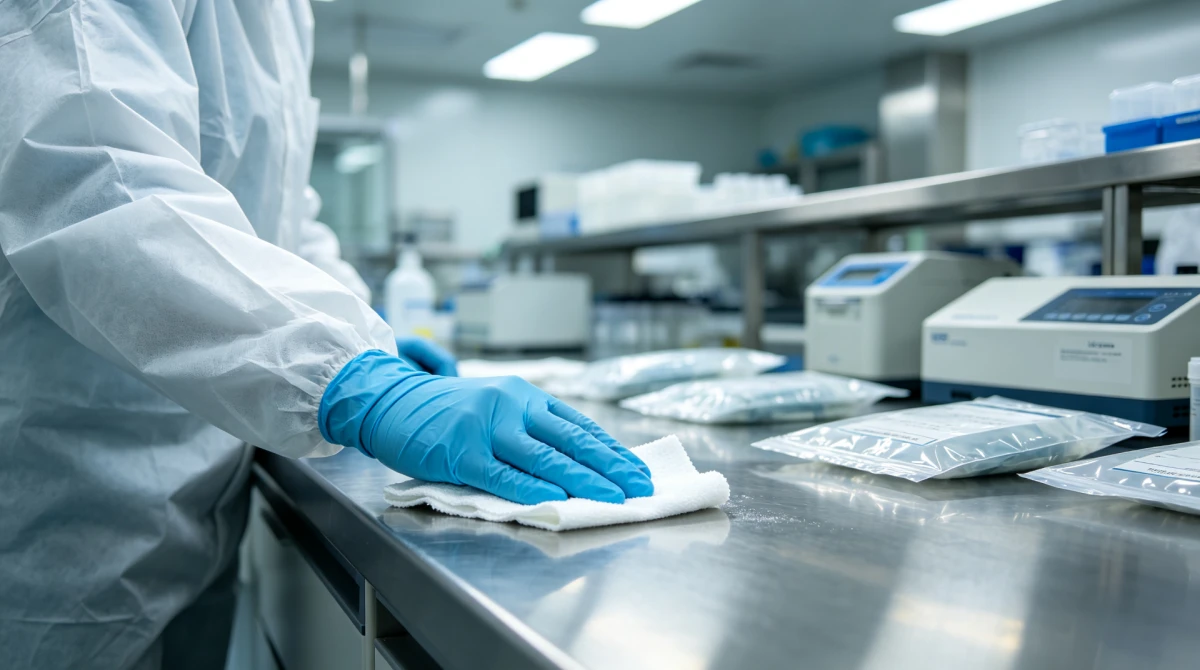
Crime scene investigators face a completely different set of problems than bench analysts. You’re working in uncontrolled environments — apartments, vehicles, outdoor locations — where surfaces are dirty, lighting is variable, and contamination sources are unknown.
You’re also trying to collect evidence that may later be subjected to DNA analysis, latent fingerprint development, trace chemical analysis, or firearms residue detection. Each method has its own contamination sensitivities.
DNA Evidence Collection
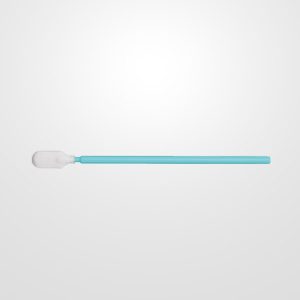
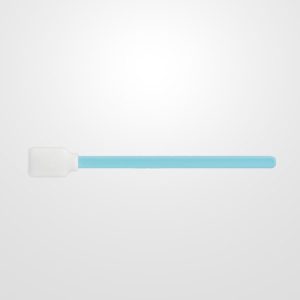
For DNA work, the wipe used to swab a surface must be certified DNase-free, RNase-free, and free of amplifiable human DNA. Pre-sterilized cotton or foam swabs are standard for swabbing, but for larger surface areas — bloodstain documentation, chemical reagent application, evidence packaging exterior decontamination — you need a wipe that meets the same biological cleanliness standards.
Latent Fingerprint Work
Latent fingerprint development adds another layer. Techniques like ninhydrin, DFO, and cyanoacrylate fuming are sensitive to surface residues. A wipe that leaves behind chemical film from detergent, fabric softener, or fiber treatment agents can interfere with reagent absorption and produce spurious fingerprint patterns.
Non-woven wipes with minimal chemical extractables are the standard here. Look for NVR (non-volatile residue) below 0.1 mg/cm² to avoid interference with chemical development techniques.
Chain of Custody at the Scene
Then there’s the chain of custody problem. Every consumable used at a crime scene — every glove, every swab, every wipe — is potentially subject to defense challenge. If the defense can show your cleaning wipe was stored in the same container as wipes used at a previous scene, or that the wipe packaging lacks a lot-specific sterilization certificate, that’s grounds for a Daubert challenge to your evidence handling.
It shouldn’t matter. But in court, it does.
Wipe Selection by Lab Function
Forensic labs aren’t one-size-fits-all. DNA analysis, toxicology, trace evidence, firearms, and digital forensics all have different contamination profiles. Here’s what actually works for each:
| Lab Function | Recommended Wipe | Key Contaminant Prevented | Standard | Sterilization |
|---|---|---|---|---|
| DNA extraction & amplification | Pre-sterilized, DNase/RNase-free polyester | Exogenous human DNA, nucleases | ISO 17025, SWGDAM | Gamma-irradiated, lot-certified |
| Biological evidence bench | Pre-sterilized non-woven, high-absorbency | Cross-sample DNA, bloodborne pathogens | OSHA BBP (29 CFR 1910.1030) | Gamma-irradiated, individually wrapped |
| Crime scene collection | Pre-sterilized cotton/foam swabs + non-woven wipes | Investigator DNA, environmental contaminants | SWGDAM, ASTM E1412 | Individually packaged, lot-traceable |
| Toxicology bench | Solvent-resistant polyester, sealed-edge | Drug carryover, reagent cross-contamination | ISO 17025, SOFT/AAFS | Cleanroom-processed |
| Trace evidence / microscopy | Ultra-low particle microfiber | Fiber transfer, particulate interference | SWGTTRACE | Cleanroom-packaged, lint-free |
| Firearms / toolmark | Anti-static, lint-free polyester | GSR cross-contamination | ASTM E1588, E1618 | Cleanroom-processed, ESD-safe |
| Digital forensics / electronics | Anti-static microfiber | ESD damage to evidence devices | ASTM E2763, IEC 61340-5-1 | Cleanroom-packaged, ESD-dissipative |
Sealed-edge polyester wipes with verified low extractable profiles are the standard for toxicology bench work. The sealed edge prevents fiber release — fibers clog autosampler syringes and contaminate chromatography columns — and the low extractable profile means the wipe won’t introduce compounds that co-elute with your target analytes during GC-MS.
Bloodborne Pathogen Protection: The Two-Wipe Protocol
Every forensic lab handling biological evidence operates under OSHA’s Bloodborne Pathogen Standard (29 CFR 1910.1030 in the US; equivalent regulations exist in most jurisdictions). Surfaces contaminated with blood or OPIM (Other Potentially Infectious Materials) must be decontaminated with an appropriate disinfectant after each use.
The wipe isn’t the disinfectant — you need a chemical agent (typically 10% bleach, accelerated hydrogen peroxide, or a quaternary ammonium compound). But the wipe is the delivery mechanism. And compatibility matters.
Some wipes absorb too much of the active ingredient, reducing effective surface concentration. Others react chemically with the disinfectant, creating residues that interfere with subsequent evidence processing.
For post-biological-evidence decontamination, we recommend a two-wipe protocol:
First wipe: Dampened with your approved disinfectant, applied to the surface with appropriate contact time (usually 1–10 minutes depending on the agent). Second wipe: Dampened with deionized water, used to remove disinfectant residue before the bench sees the next evidence item.
Both wipes should be single-use and disposed of in biohazard waste. The material should be non-woven with high absorbency and good wet strength — it needs to stay intact during contact time without falling apart.
Our non-woven wipes are tested for compatibility with common forensic disinfectants including sodium hypochlorite, Avert, and Cidex OPA. We publish compatibility data sheets for each product.
ISO 17025: What Auditors Actually Check
ISO 17025 is the accreditation standard for forensic labs worldwide. Section 6.4 covers equipment, 6.5 covers metrological traceability, 7.3 covers sampling. But it’s Section 6.3 (facilities and environmental conditions) and Section 7.4 (handling of test items) that most directly address cleaning and contamination control.
Cleaning Validation Records
During an accreditation audit, the assessor will ask for your cleaning validation records. They want evidence that your cleaning procedure actually achieves the contamination control level you claim. For DNA labs, this typically means running a “mock evidence” protocol — processing a negative control through your entire workflow and confirming no detectable DNA profile beyond expected background.
If your cleaning wipe is part of that workflow (and it should be), the wipe’s lot-specific sterility certificate becomes part of your accreditation evidence.
Lot Traceability
Auditors also look for traceability. Can you link the specific wipe lot used during evidence processing on a given date to a Certificate of Analysis showing DNase-free status, sterility assurance level (SAL 10⁻⁶), and particle/fiber performance? If you’re using bulk-packaged wipes without lot traceability, the answer is no — and that’s an audit finding.
WIPESTAR provides lot-specific Certificates of Analysis with every shipment — sterility certification, DNase/RNase-free validation, and IEST-RP-CC004.4 particle and fiber data. Our forensic-grade wipes are individually packaged with lot number and expiration date on each unit.
More packaging waste than a bulk bag. Also what keeps your accreditation intact.
Chain of Custody for Cleaning Materials
This is the part most lab managers don’t think about until they’re sitting across from a defense attorney in a deposition. Every material that contacts evidence — or contacts a surface where evidence will later be placed — is potentially part of the chain of custody.
If you can’t demonstrate that your cleaning wipe was free of contaminants at the time of use, the defense can argue that any analytical result from that evidence item is unreliable.
The practical solution is documentation. Your SOP for bench cleaning should specify the exact wipe product (manufacturer, catalog number, lot number), the cleaning protocol (number of wipes, direction of strokes, contact time), and the verification step (visual inspection, UV light check, or negative control swab).
The wipe lot number should be recorded in the case notes for any evidence item processed on that bench on that date.
Sounds like overkill. It’s not. We’ve worked with forensic labs that adopted this level of documentation specifically because they’d been burned by a defense challenge. One lab in Guangdong implemented lot-traceable wipe protocols after a Daubert hearing in 2022 where the defense successfully challenged DNA evidence based on inadequate consumable documentation. The case got resolved through additional testing, but the lab spent six months and significant legal fees defending their procedures.
A $0.20 wipe with proper documentation would have prevented the entire challenge.
Wipe Type Comparison: Side-by-Side
Forensic labs typically use three main categories of wipes. The right choice depends on your lab function, the analytical method, and the contamination risk.
| Property | Pre-Sterilized Polyester | Non-Woven High-Absorbency | Anti-Static Microfiber |
|---|---|---|---|
| Sterility | SAL 10⁻⁶, gamma-irradiated | Cleanroom-processed (not sterile) | Cleanroom-packaged |
| DNase/RNase-Free | Yes — lot-certified | No | No |
| Free of Amplifiable DNA | Yes — lot-certified | No | No |
| Particle Generation | Low (≤ 100 particles/m³ ≥ 0.5µm) | Moderate (200–500 particles/m³) | Ultra-low (≤ 50 particles/m³) |
| Chemical Compatibility | Excellent — IPA, bleach, H₂O₂, DI water | Good — IPA, DI water; limited with solvents | Excellent — broad resistance |
| Absorbency | Moderate (~3.5 mL/g) | High (~6–8 mL/g) | Moderate (~3 mL/g) |
| ESD-Safe | Available | No | Yes — 10⁹–10¹¹ Ω |
| Best For | DNA areas, PCR setup, biological evidence processing | Bench decontamination, spill cleanup, crime scene | Digital forensics, firearms, trace evidence |
| Relative Cost | $$$ | $ | $$ |
Quick note on cost: the cheapest wipe in that table runs about $0.05–$0.12 per wipe. The most expensive pre-sterilized polyester is $0.25–$0.50. That looks like a gap until you compare it to one retracted DNA report.
One wrongful arrest lawsuit pays for a decade’s supply of the best forensic-grade wipes on the market. Cost-per-wipe is the wrong metric. Cost-per-uncontaminated-case is what matters.
Most forensic labs run a two-tier strategy: pre-sterilized, DNase-free polyester for DNA processing areas and biological evidence benches, and standard non-woven wipes for general lab maintenance, equipment surfaces, and crime scene field use. Some add a third tier — anti-static microfiber for digital forensics and firearms labs — where ESD protection and fiber control are the priorities.
Whatever your approach, document the wipe spec in your SOP and qualify the product before putting it into service. “Qualification” means testing in your actual environment — your disinfectants, your wiping technique, your lab conditions — not just trusting the supplier’s datasheet.
Who You’ll Work With at WIPESTAR
We supply cleaning consumables to forensic laboratories where cross-contamination can compromise criminal investigations. Our team understands evidence integrity requirements and the strict cleanliness standards of forensic science.

Vicky — Foreign Trade Sales Supervisor
Vicky manages daily foreign trade sales operations, coordinating client communication and ensuring smooth order fulfillment for overseas customers. With a meticulous and proactive approach, she helps forensic labs worldwide get the right consumables with complete documentation — on time, every time.

Daisy — Sales Support
Daisy handles order follow-up, customer communication, and daily operations — making sure your forensic-grade wipes arrive on time with complete documentation.

Zac — Customer Service
Zac focuses on fast response, smooth order handling, and reliable after-sales support — so you’re never waiting on a consumables question when you need an answer now.
Get Started with Forensic-Grade Cleanroom Wipes
Whether you’re qualifying wipes for a new DNA lab, upgrading consumables for ISO 17025 accreditation, or building a chain-of-custody documentation system for cleaning materials, we can help. Full documentation including COA, sterility certificates, and DNase/RNase-free validation with every shipment.
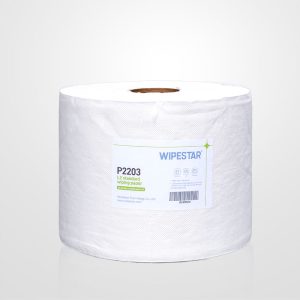
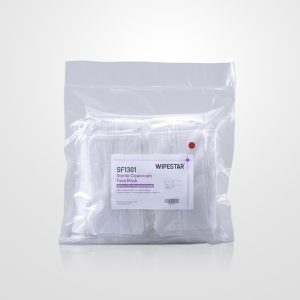
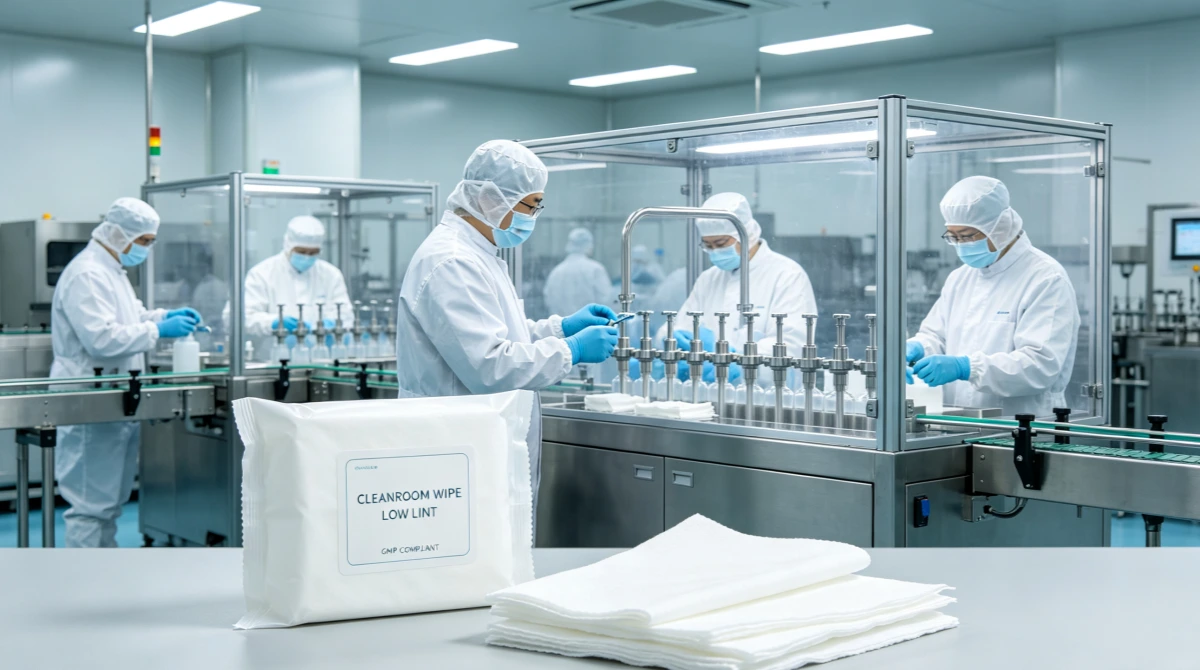
- Forensic-Grade Pre-Sterilized Polyester Wipes — Gamma-irradiated to SAL 10⁻⁶, certified DNase-free, RNase-free, and free of amplifiable human DNA. Individually packaged with lot number and expiration date.
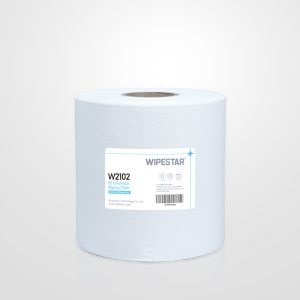
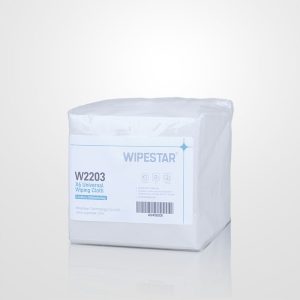
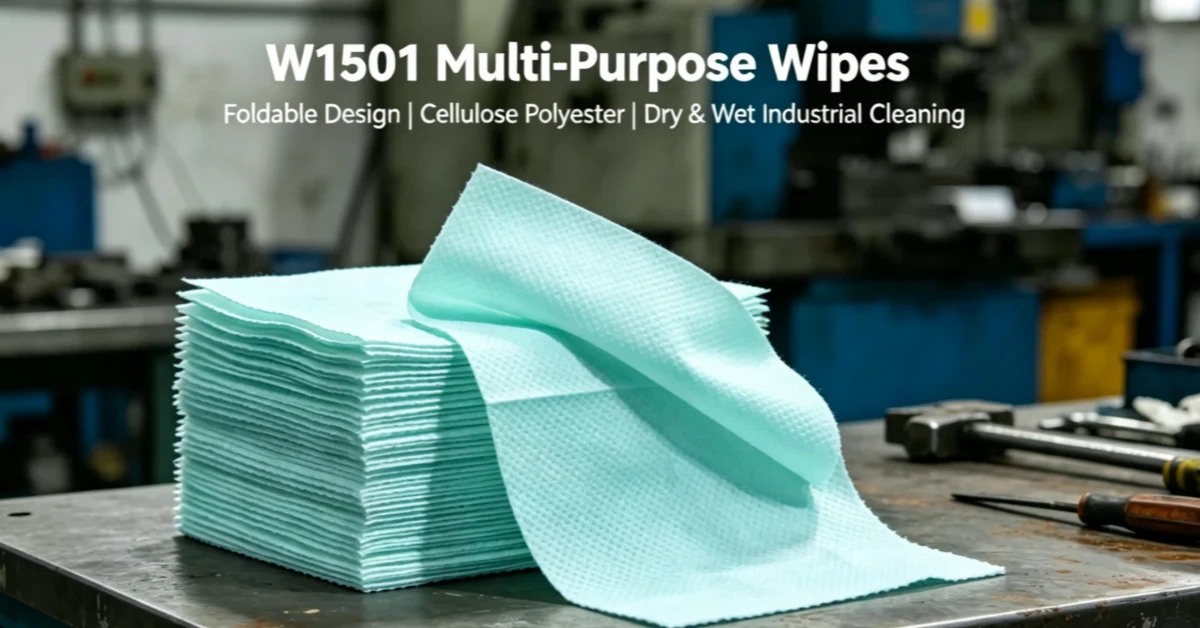
- Non-Woven High-Absorbency Wipes — For bench decontamination, crime scene use, and chemical reagent application. Low NVR, compatible with standard forensic disinfectants.
- Request Technical Consultation — Need help matching a wipe to your lab’s specific analytical methods? Our team provides compatibility data and sample SOPs.
Browse Forensic-Grade Wipes → Request Samples & Documentation
Frequently Asked Questions