English
 Chinese



Three years ago I got a call from a maintenance manager at a dairy processing plant in Guangdong. Their HACCP audit was in two weeks, and the auditor had flagged something they’d been ignoring for years: fiber residue from their cleaning wipes showing up on stainless steel filling nozzles. The wipes they’d been using — generic cotton rags from a local supplier — were shedding fibers directly onto food-contact surfaces. Same rags, same problem, every single shift. They just hadn’t been caught before.
We shipped them samples of our wood pulp/polypropylene blend cloths the next day. They tested them on three filling lines, ran their own fiber counts, and called back within a week. Problem solved. The rags went in the bin, the audit passed, and their annual wipe spend barely changed.
That conversation stuck with me because it’s not unique. Food and beverage manufacturing has a cleaning problem that most people in the industry don’t think about until an auditor — or a customer — forces them to. The wipes you use on your production line matter. Not as much as your HACCP plan or your temperature controls, but enough to be the difference between passing and failing an audit, between a clean production run and a contamination recall.
I’ve been supplying industrial cleaning consumables for over twenty years. Food manufacturing clients come to me with the same questions, so I wrote them down. Here’s what actually matters.
Why Food Manufacturing Cleaning Is Different from Other Industries
I work with clients across semiconductor, pharmaceutical, automotive, and general manufacturing. Each industry has its own cleaning challenges. But food and beverage has a combination of pressures that makes wipe selection more consequential than most facility managers realize.
First, there’s the regulatory side. HACCP, FDA 21 CFR, EU Regulation 852/2004, BRC Global Standards, SQF — whichever framework your facility follows, they all require documented cleaning procedures for food-contact surfaces. Your wipes are part of that documented procedure. If an auditor asks what you’re using and you hand them a bag of unmarked recycled rags, that’s a finding.
Second, the contamination vector is biological, not just particulate. In a semiconductor fab, you’re worried about particles. In a food plant, you’re worried about microbes, allergen cross-contact, and chemical residues. A wipe that’s been sitting in an open bag near a solvent tank can introduce all three onto a surface that touches your product.
Third, the cleaning frequency is relentless. A beverage filling line might need wipe-downs every 30 minutes during production. A bakery conveyor belt gets wiped between batches. A meat processing surface is cleaned and sanitized multiple times per shift. The volume of wipes you go through is enormous — which means per-sheet cost matters, but so does per-sheet performance. A wipe that takes two sheets to do what one good wipe could do isn’t saving you money.
The Fiber Contamination Problem Nobody Talks About
Let me tell you about the most common food safety issue I see that traces back to wipes: fiber contamination.
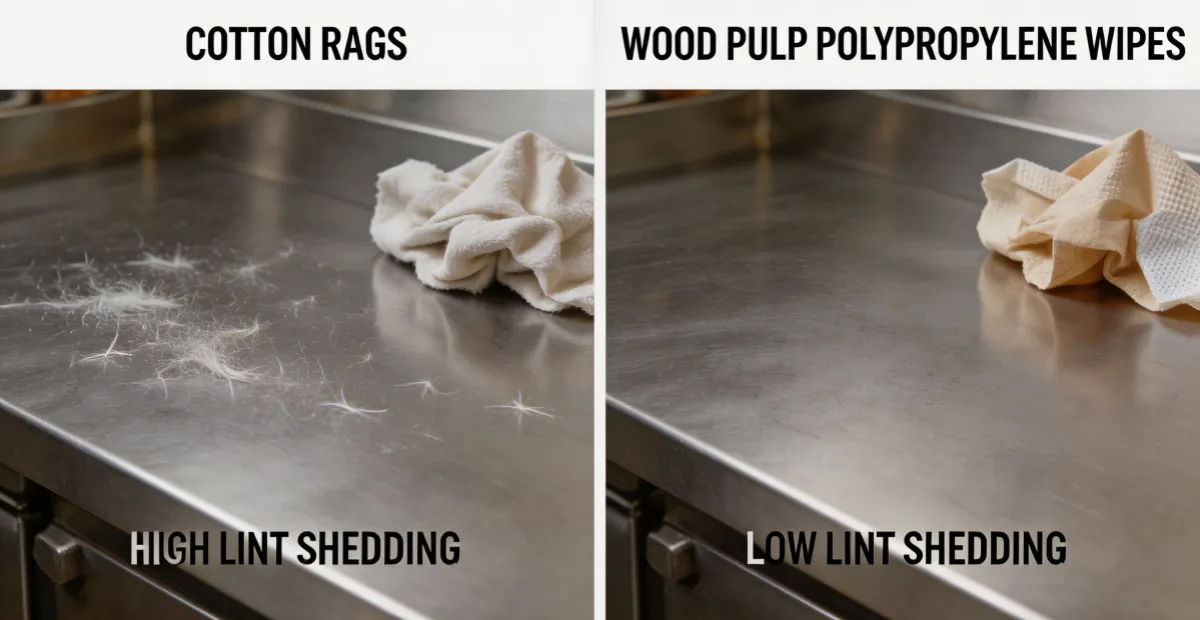
Most food plants use cotton rags or generic nonwoven cloths for surface cleaning. Cotton absorbs well enough, but cotton fibers shed constantly — especially when the rag has been washed and reused multiple times. Those fibers end up on stainless steel surfaces, on conveyor belts, on filling nozzles, and occasionally in the product itself.
I’ve seen consumer complaints about “string” or “fiber” in packaged food that traced directly back to the cleaning wipes used on the production line. Not the ingredients, not the packaging — the cleaning supplies. The investigation cost the manufacturer far more than a year’s supply of proper lint-free wipes would have.
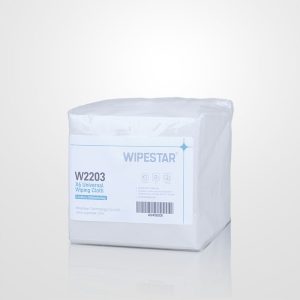
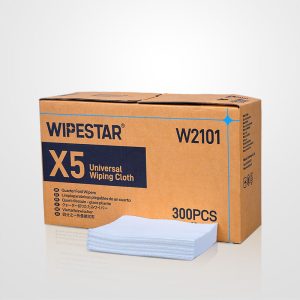
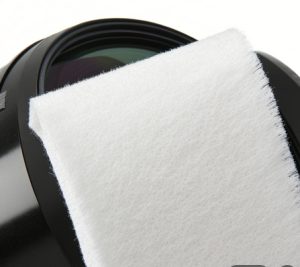
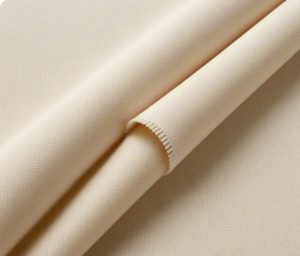
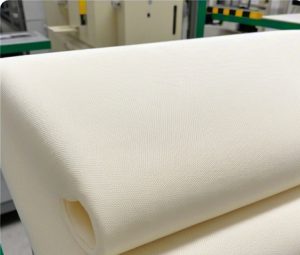
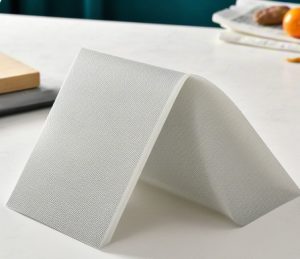
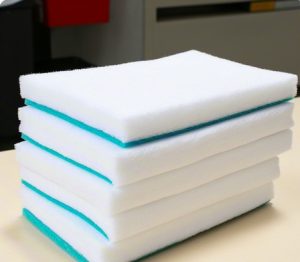
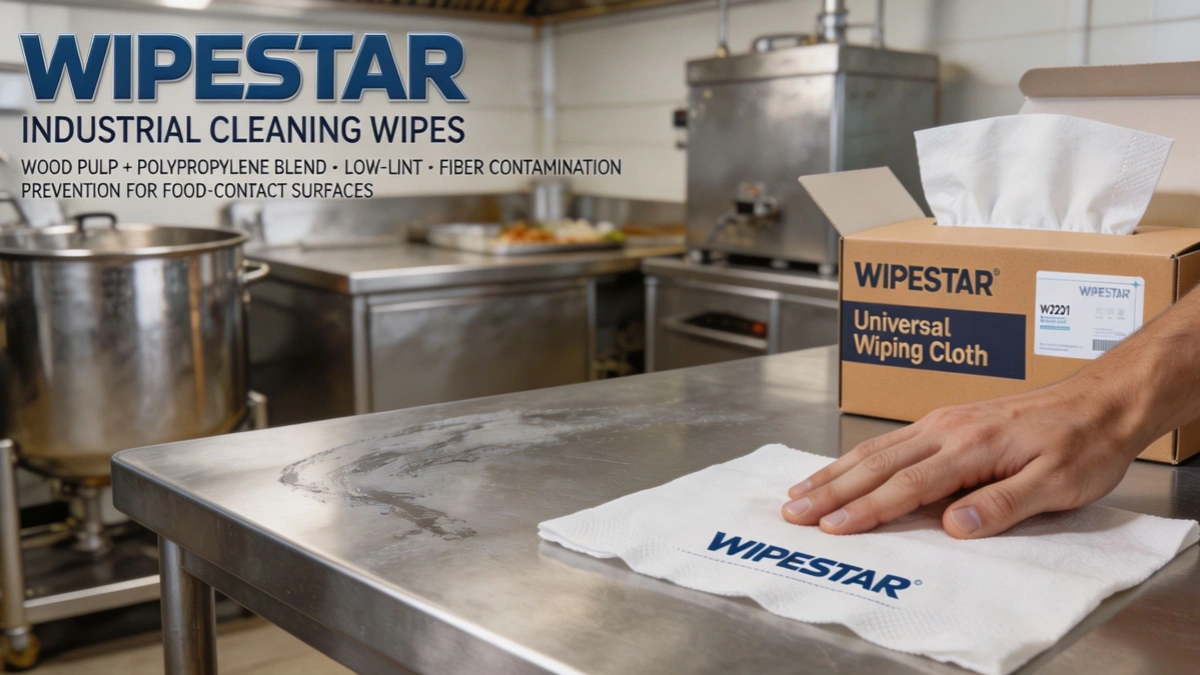
Our W2101 Universal Wiping Cloth uses a wood pulp/polypropylene blend that significantly reduces fiber shedding compared to cotton. It’s not a cleanroom-grade wipe — you don’t need ISO Class 5 in a bottling plant — but it’s engineered to minimize loose fibers on the surfaces that matter. For food-contact areas where fiber control is critical, the W3401 Ultrasoft Surface Preparation Wipes offer sealed-edge construction that virtually eliminates edge fraying.
Cleaning Zone Guide: Matching Wipes to Your Production Areas
Not every area in a food plant has the same cleaning requirements. I’ve seen facilities use the same rag everywhere — from the raw material receiving dock to the final packaging room. That’s wasteful and risky at the same time.
Zone 1: Food-Contact Surfaces
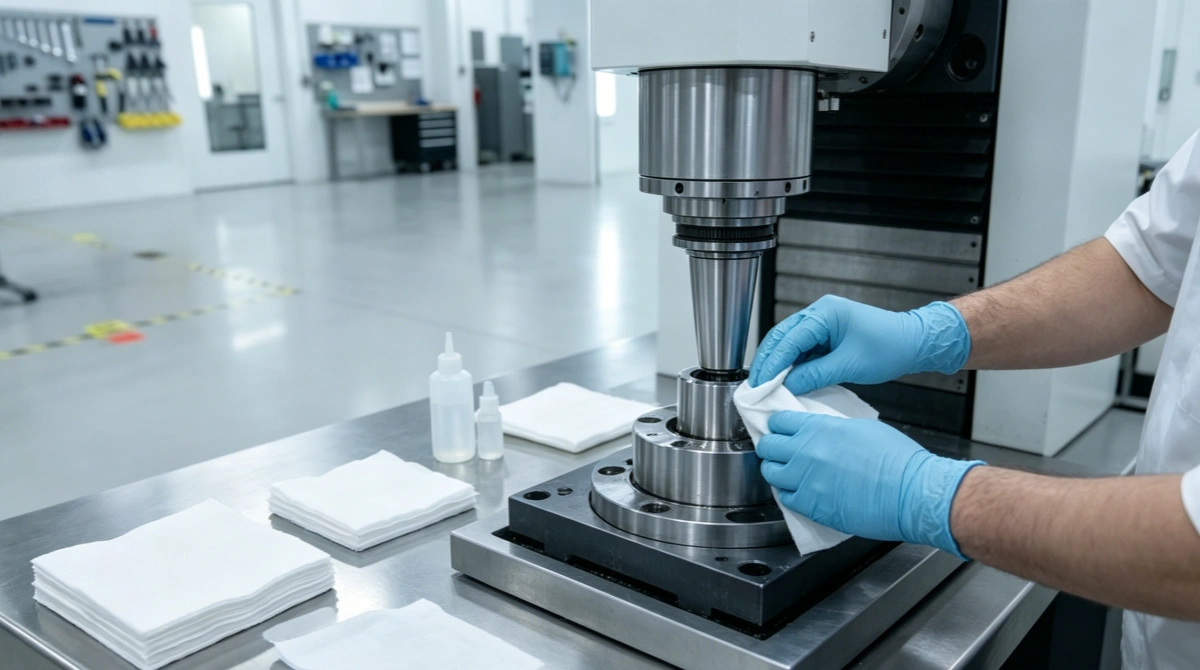
Filling nozzles, conveyor belts, cutting blades, mixing vessels, packaging forming areas. These surfaces touch your product directly. The wipe you use here must be low-lint, chemically compatible with your sanitizers, and free from contaminants that could transfer to food. Single-use is strongly preferred — reusing wipes on food-contact surfaces is how cross-contamination happens.
Zone 2: Non-Food-Contact Production Areas
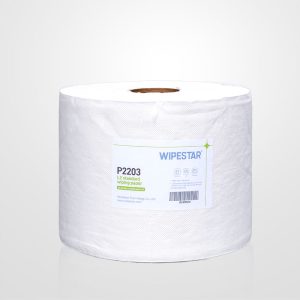
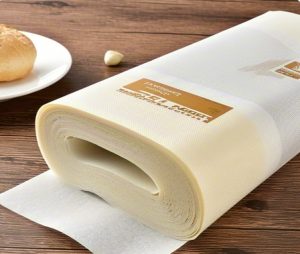
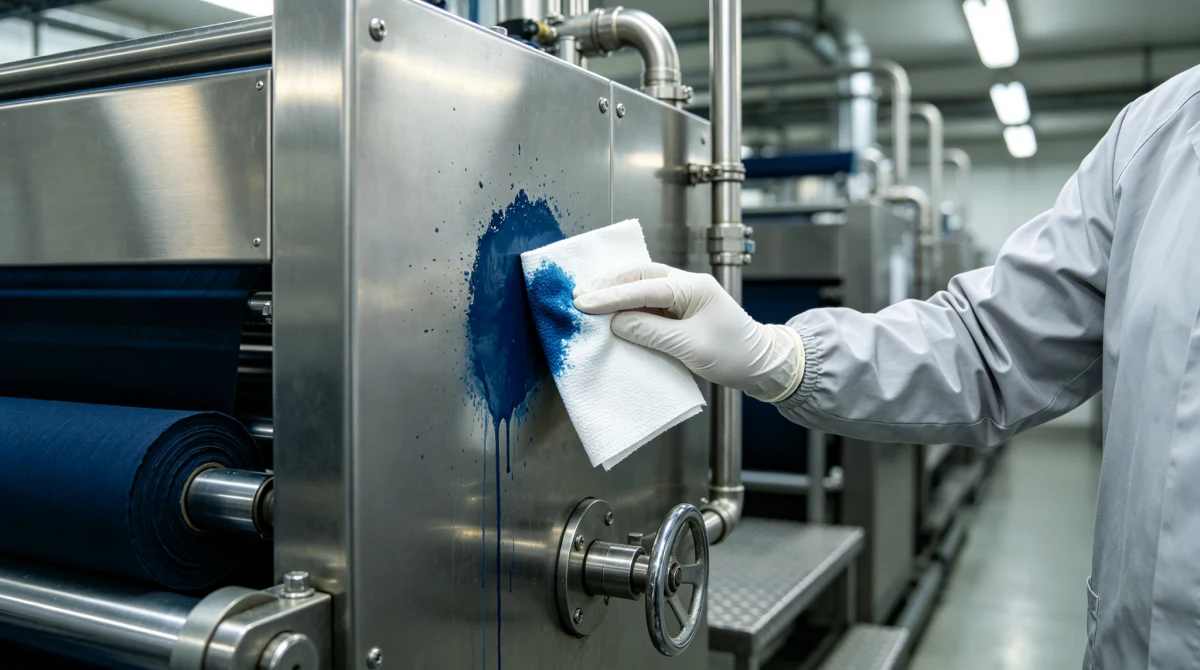
Equipment exteriors, control panels, tank outer walls, overhead structures. These surfaces don’t touch food directly, but they’re inside the production environment. Dust, grease, and moisture accumulate and can migrate to food-contact surfaces. A good universal wiping cloth in roll format works well here — high absorption, easy dispensing, economical for the volume these areas demand.
Zone 3: Ancillary and Support Areas
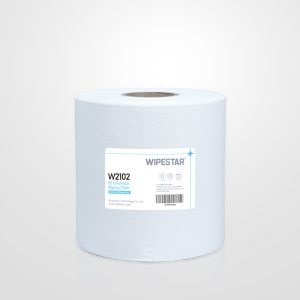
Gowning rooms, corridors, break areas, loading docks. Standard cleaning requirements. A general-purpose cloth like the W2101 (X5) handles dust, spills, and routine wipe-downs without the premium pricing of food-contact-grade products.
Zone 4: Heavy-Duty Maintenance
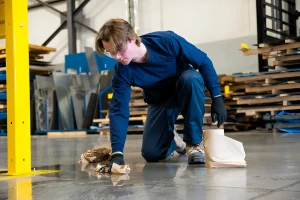
Grease buildup on conveyor motors, oil leaks from hydraulic systems, carbonized residue on oven exteriors. These jobs need a wipe that absorbs aggressively and holds up under scrubbing. The W3501 Heavy Duty Surface Preparation Wipes are built for this — tough enough for grease and grime without falling apart mid-task.
For a deeper dive on material properties across all zones, our Industrial Wipes Materials & Types Guide breaks down absorption rates, chemical resistance, and fiber shedding by material type.
Which Wipe Materials Work in Food Processing Environments
I get asked this a lot: “What material should we use?” The answer depends on what you’re cleaning and what chemicals you’re using. But here’s what I recommend most often to food manufacturing clients:
Wood Pulp / Polypropylene Blends
The workhorse for food plant cleaning. Absorbs water, grease, and sanitizer solutions well. Low fiber shedding compared to cotton. Economical enough for high-volume use — and in a food plant, volume is the name of the game. The wiping cloth range includes multiple wood pulp/polypropylene options in different sizes and fold formats.
Polyester / Cellulose Blends
Stronger than pure polypropylene blends, with better abrasion resistance. Good for scrubbing tasks where you need the wipe to hold together under pressure. Works well with quat-based sanitizers and alcohol-based cleaners. Our W2202 Universal Wiping Cloth (X6) is a solid choice for production line wipe-downs where durability matters.
Microfiber
The split-fiber structure picks up smaller particles and microbes more effectively than standard nonwoven materials. Growing in food manufacturing applications, especially for glass surfaces, polished stainless, and areas where you’re trying to reduce chemical usage. Microfiber can often clean effectively with just water, which matters if you’re trying to minimize sanitizer residue on food-contact surfaces.
Cotton Rags — The Problem
I know they’re cheap. I know every plant has a bin full of them. But cotton sheds fibers, absorbs unevenly, harbors bacteria when reused, and has no consistent quality from one rag to the next. In a food manufacturing environment, cotton rags are a liability that looks like a bargain. Our guide on reducing industrial wiping cloth costs explains why switching from rags to engineered wipes often costs less overall, even though the per-sheet price is higher.
Chemical Compatibility: What Your Wipe Needs to Survive
Food plants use aggressive chemicals. Quaternary ammonium compounds, peracetic acid, sodium hypochlorite, caustic soda, IPA — sometimes all in the same facility across different zones. Your wipe needs to work with all of them without degrading, dissolving, or leaving residue.
Here’s what I’ve seen go wrong:
- Cotton rags in quat sanitizer. Cotton fibers absorb quaternary ammonium compounds and release them unevenly. The surface gets over-sanitized in some spots and under-sanitized in others. Worse, the rag becomes a microbial reservoir as the sanitizer concentration drops below effective levels.
- Low-grade nonwovens in caustic wash. Cheap nonwoven cloths can dissolve or disintegrate in strong alkaline solutions, leaving residue on the surface you just cleaned. That residue can interfere with subsequent sanitizer application.
- Reused wipes with peracetic acid. Peracetic acid breaks down organic materials over time. A wipe that’s been sitting in a peracetic acid solution loses structural integrity and starts shedding — exactly what you’re trying to prevent.
The fix is straightforward: match your wipe material to your cleaning chemicals. We’ve documented chemical compatibility for our entire wiping cloth range. If you’re not sure which wipe works with your specific sanitizer program, our team can walk you through it.
The Real Cost of Cheap Cleaning Supplies in Food Plants
Every procurement department asks the same question: “Can we find something cheaper?” I’ve been hearing it for twenty years. And my answer is always the same: compare on cost-per-task, not cost-per-sheet.
Here’s a real example from a beverage bottling plant we work with:
| Item | Cotton Rags | Engineered Wiping Cloth |
|---|---|---|
| Cost per unit | $0.03 | $0.08 |
| Units used per line per shift | 25–30 | 10–12 |
| Fiber-related quality incidents (annual) | 14 | 0 |
| Annual cleaning supply cost (one line) | $7,800 | $4,600 |
| Annual cost of quality incidents | $42,000 | $0 |
| Total annual cost | $49,800 | $4,600 |
The cotton rag costs less than half per sheet. The total cost is ten times higher. This is the same dynamic I wrote about in our article on how to store and maintain industrial wiping cloths — proper storage extends wipe life and keeps contamination control intact, which compounds the savings when you’re using the right product to begin with.
Our Team — People Who Understand Your Industry
I’ve found that the best supplier relationships start with someone who actually understands your problem — not someone reading from a product spec sheet. Here’s who you’d be working with at WIPESTAR:
Ethan, our Sales Director, has spent over two decades in industrial cleaning consumables. He’s worked with food manufacturers, pharmaceutical companies, and semiconductor fabs. If you’ve got a cleaning challenge that doesn’t fit neatly into a product category, Ethan’s the one who figures out the approach.
Vicky supervises our foreign trade sales team and manages the day-to-day relationships with international food manufacturing clients. She’s the one who makes sure your samples arrive on time, your orders ship correctly, and your questions get answered — not in three days, but when you need them.
Carolina is our Product Specialist. She spends her time on factory floors — both ours and our clients’ — understanding what production workers actually need from a cleaning wipe. That feedback drives our product development, and it’s why our wiping cloths work in real-world conditions, not just in lab tests.
Juan brings a background in cleanroom design and purification systems. When a food manufacturer needs to think about cleaning consumables in the context of their broader sanitation program — airflow, surface materials, chemical protocols — Juan connects those pieces.
See the full WIPESTAR team.
Manufacturing and Custom Solutions
We manufacture in-house from our Shenzhen facility — 100,000+ square meters of production space, 1,200+ specialized machines. Every batch ships with traceability documentation. We handle OEM and ODM orders — custom sizes, specific fold patterns, private-label packaging — with stable lead times and factory-direct pricing.
Browse the WIPESTAR product range, or reach out to our team at info@wipestar.com / +86-755-8961-6775.
WIPESTAR — Making the World Cleaner.
Frequently Asked Questions
Request a Quote for Food Manufacturing Cleaning Supplies
Industrial wiping cloths, surface preparation wipes, and cleaning consumables — direct from our factory with bulk pricing, OEM customization, and fast global shipping.